A Direct Path to New Switchgear
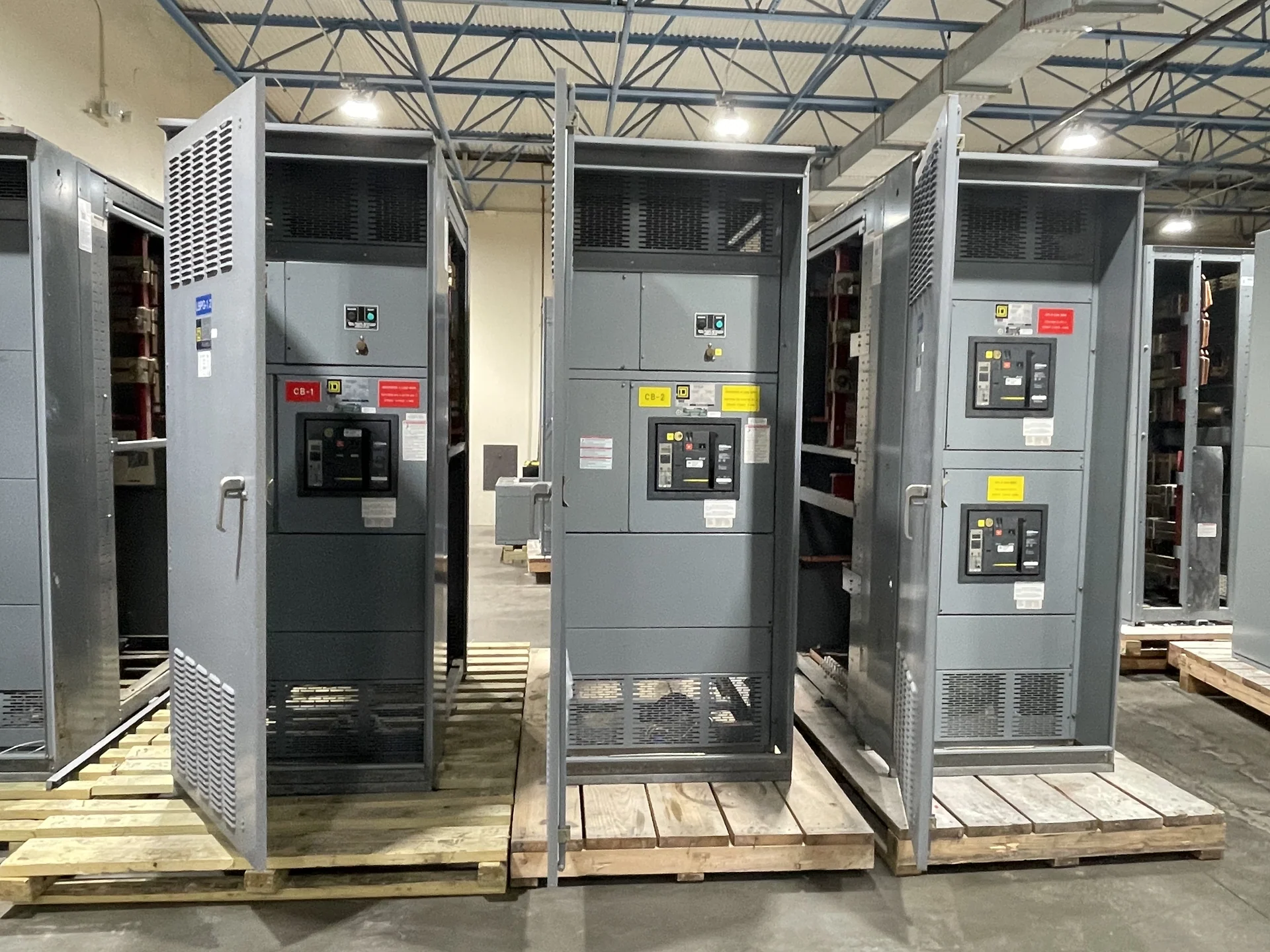
Switchgear Builders is an American electrical switchgear manufacturer building and supplying new power distribution equipment for projects across the United States. A direct manufacturer relationship helps keep the conversation centered on the actual one-line diagram, ratings, enclosure requirements, controls, documentation, and installation interfaces rather than a generic product label. Customers buying new switchgear can bring a defined specification, an early concept, or a replacement need for review. The resulting scope should identify what is known, what requires engineering confirmation, and which decisions belong to the project electrical engineer or authority having jurisdiction.
Custom Equipment Starts with the Electrical System
Custom switchgear should begin with system information, not only a desired cabinet size or breaker name. Useful inputs include nominal voltage, phase and wire arrangement, frequency, grounding method, continuous current, available fault current, protective-device interrupting duties, bus requirements, feeder count, metering, control power, interlocks, and indoor or outdoor exposure. Physical information matters as well: room dimensions, cable-entry direction, access route, working clearances, lifting constraints, and connection points. Reviewing these items early gives the manufacturer a practical basis for a build-to-spec proposal and highlights missing data before fabrication decisions are made.
American Components and Documentation
Switchgear Builders uses American components; the project documentation should specify component origin and availability for the particular assembly. A useful inquiry names preferred protective devices, metering instruments, control components, bus conductor material, enclosure expectations, and acceptable substitutions, if any. It should also request the drawings and records needed for review, such as a one-line diagram, elevation, wiring diagrams, device schedules, terminal information, and a project-specific test plan. Clear documentation allows engineers, contractors, and owners to compare scope without assuming that every project has identical parts or requirements.
Ratings, Standards, and Engineering Review
Equipment selection must follow the actual distribution system and governing project requirements. Voltage class, continuous-current capacity, short-circuit duty, insulation coordination where applicable, enclosure conditions, grounding, temperature assumptions, and protective coordination all need qualified review. If a project calls for UL 891, confirm its applicability to the specific assembly, construction, evaluation, and documentation requirements before treating it as part of the scope; the standard does not automatically establish a listing for every switchgear type or project. Coordination among the manufacturer, engineer, utility, installer, and reviewing authority should resolve responsibilities before approval.
From Quote Request to Build Scope
A productive quote inquiry explains what the equipment must do and how it will connect to the rest of the facility. Include the project location for shipping planning, required delivery destination, one-line and specifications, equipment ratings, lineup dimensions or constraints, source and feeder arrangement, control sequence, metering needs, finish or environmental requirements, requested drawings, inspection expectations, and freight or receiving considerations. If information is preliminary, label it as such and identify the assumptions that should appear in the quotation. Comparing new switchgear quotes is meaningful only when inclusions, exclusions, drawings, testing, shipping responsibilities, and commercial terms are described consistently.
Nationwide Shipping and Site Coordination
Nationwide shipping requires more than placing an address on a purchase order. The project team should confirm the destination, receiving hours, dock or crane access, route limitations, equipment sections, weights, lifting points, weather protection during transit, and who controls unloading and final movement. Packaging and shipping splits should be coordinated with the installation sequence and the available path into the electrical room. Before release, the manufacturer and qualified site personnel can align shipping documents, receiving inspection steps, storage conditions, and responsibilities so that the new assembly arrives with its physical interfaces understood.
Start a Practical Switchgear Conversation
Whether the need is a new service lineup, feeder distribution equipment, a custom main-tie-main arrangement, or a project-defined replacement, the best first step is a concise project specification. State the application, location, system data, target configuration, drawings available, decision participants, and desired quote scope. Switchgear Builders can use that information to discuss a custom build with American components and nationwide shipping while leaving unconfirmed ratings, schedules, standards, and site conditions open for project review. A complete inquiry reduces avoidable revisions and gives the customer a clearer basis for buying new equipment directly from the manufacturer.