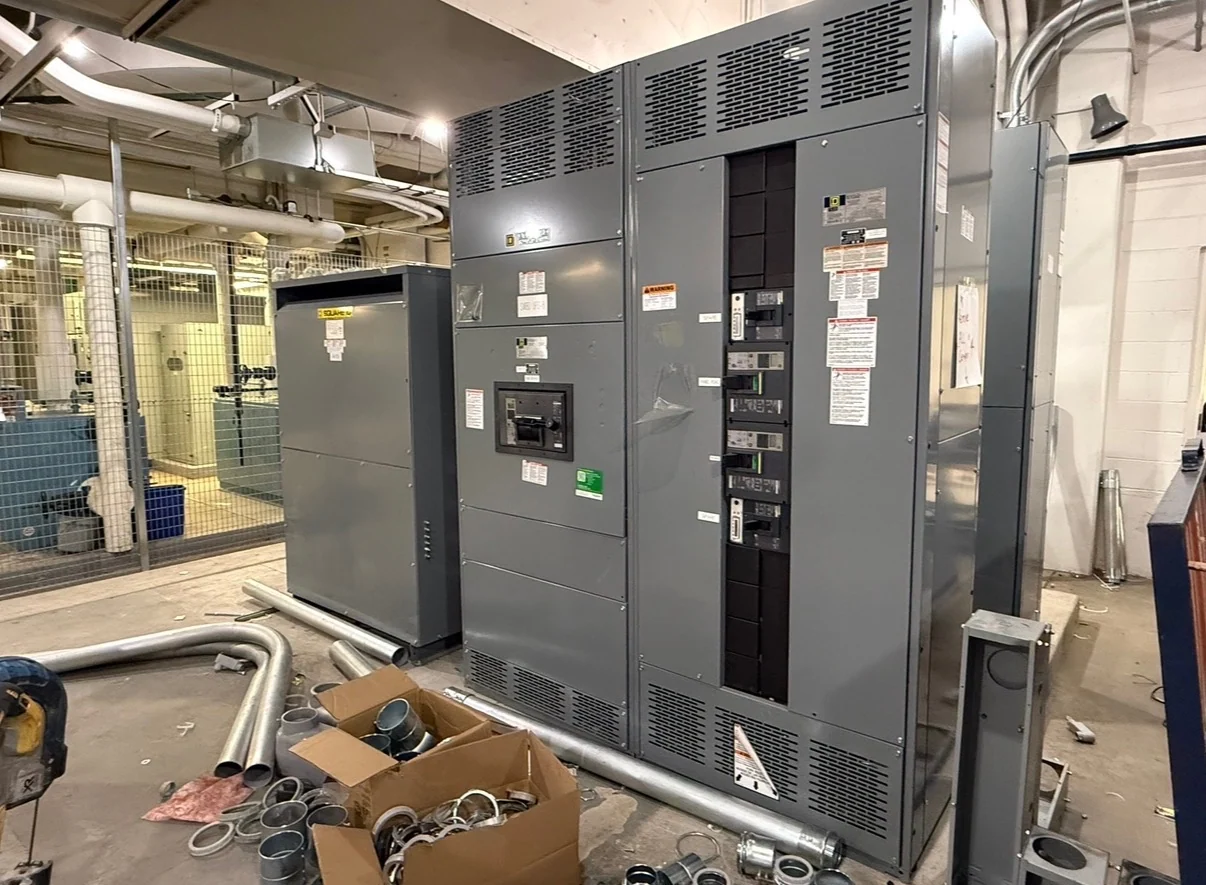
Start with the Electrical Basis of Design
Buying new electrical switchgear begins with a clear electrical basis of design, not a generic equipment label. Assemble the one-line diagram, nominal system voltage, frequency, phase and wire arrangement, grounding method, continuous current requirements, available fault current, and the intended service or feeder role. Identify whether the assembly is indoor or outdoor, the enclosure environment, cable entry direction, and any space or access limitations. These inputs let a manufacturer distinguish a suitable custom configuration from an incomplete request and help the design team review the equipment against the distribution system. Record assumptions separately so unanswered design questions are visible before quotation.
Define the Lineup and Operating Arrangement
Describe how the lineup must operate under normal conditions and during maintenance or source changes. A buyer may need a main device, multiple feeders, a bus tie, metering compartments, control power, or interlocking between sources; each choice affects space, wiring, protection, and operating instructions. Provide the desired lineup sequence, device functions, compartment locations, and cable termination preferences rather than relying on a short product name. If the project involves a main-tie-main arrangement or another special sequence, the engineer should document permissible switching steps and verify that the proposed controls match the one-line diagram.
Evaluate Manufacturer Fit and Documentation
Supplier evaluation should focus on technical fit and project communication. Ask whether the manufacturer can build new switchgear custom to the submitted ratings, dimensions, control requirements, and installation interfaces, and request a clear list of inclusions and exclusions. Review drawing formats, device schedules, wiring diagrams, nameplate data, test documentation, and the process for resolving comments. Switchgear Builders manufactures new electrical switchgear in the United States, incorporates American components, and supplies equipment with nationwide shipping; project-specific manufacturing, component, documentation, and shipment details should still be confirmed in the quotation.
Compare Quotes on a Like-for-Like Basis
A useful switchgear procurement comparison normalizes scope before comparing commercial terms. Place each quotation beside the same current, voltage, fault-duty, device, metering, enclosure, bus, control, testing, documentation, packaging, and freight assumptions. Check whether engineering drawings, revisions, factory inspection or witness activities, shipping sections, lifting provisions, and field responsibilities are included or excluded. Do not infer a certification or listing from a familiar equipment description; if UL 891 could apply, identify it as a project requirement and confirm its applicability, construction basis, and any project-specific listing or capability before order placement.
Prepare a Complete Quote Request
For a manufacturer quote, send the project location, purchasing entity, required delivery destination, one-line diagram, load or feeder schedule, fault-current information, physical constraints, applicable specifications, and the desired operating sequence. Include site conditions, utility interface requirements, metering instructions, control-voltage preferences, cable schedules, preferred component makers when relevant, and the review authority. Explain whether the request is for a new installation, expansion, or replacement so the manufacturer can identify interface dimensions and coordination questions. A complete request reduces assumptions and gives engineering and procurement teams a defensible record for scope review.
Coordinate Delivery, Receiving, and Installation
Before authorizing fabrication, align the approved drawings with the electrical contractor, engineer of record, site representative, and qualified rigging personnel. Confirm the destination, receiving hours, unloading method, route to the electrical room, shipping splits, weights, lifting points, storage conditions, and responsibility for final placement. Nationwide shipping does not remove the need for site planning: large assemblies may require coordinated freight access and handling. At receipt, compare the shipment against its packing information, inspect packaging for transit damage, preserve documentation, and resolve discrepancies before energization or field modifications.