Start with the Electrical Design Basis
Useful switchgear engineering begins with a defined electrical design basis rather than a generic enclosure selection. A project team should identify nominal voltage, frequency, phase and wire arrangement, continuous current, available fault current, grounding method, feeder count, source arrangement, and protective-device functions. The one-line diagram, load calculations, coordination study, and utility or owner criteria give the manufacturer a working framework. Switchgear Builders manufactures new electrical switchgear in the United States and can build custom equipment to specification, using American components as required by the project. Each design remains subject to engineering review and the applicable project requirements.
Coordinate the Physical Layout
Physical coordination determines whether a technically correct lineup can be moved into place, installed, operated, and maintained. Important inputs include available wall space, lineup length and height limits, cable-entry direction, busway or transformer interfaces, working clearances, door swing, removable sections, ventilation, lifting points, floor conditions, and the route from receiving to the electrical room. A custom layout should also show device locations, metering, control compartments, terminal points, and identification spaces. Early review with the electrical engineer, contractor, and qualified installer helps resolve access conflicts before fabrication and makes the final submittal easier to check.
Build Around Controls and Operating Sequences
Switchgear capabilities extend beyond power conductors and protective devices. Control wiring, source selection, breaker status, shunt or undervoltage functions, metering signals, alarms, interlocks, and remote interfaces need a clear operating sequence. The project team should state what may operate automatically, what requires a permissive, how a bus tie is controlled, which contacts are dry contacts, and how terminals are to be labeled. A control schematic and point list can expose ambiguities that a one-line diagram cannot. For custom switchgear, these details guide assembly, wiring checks, field connections, and later troubleshooting without assuming a particular control platform.
Fabricate and Integrate New Equipment
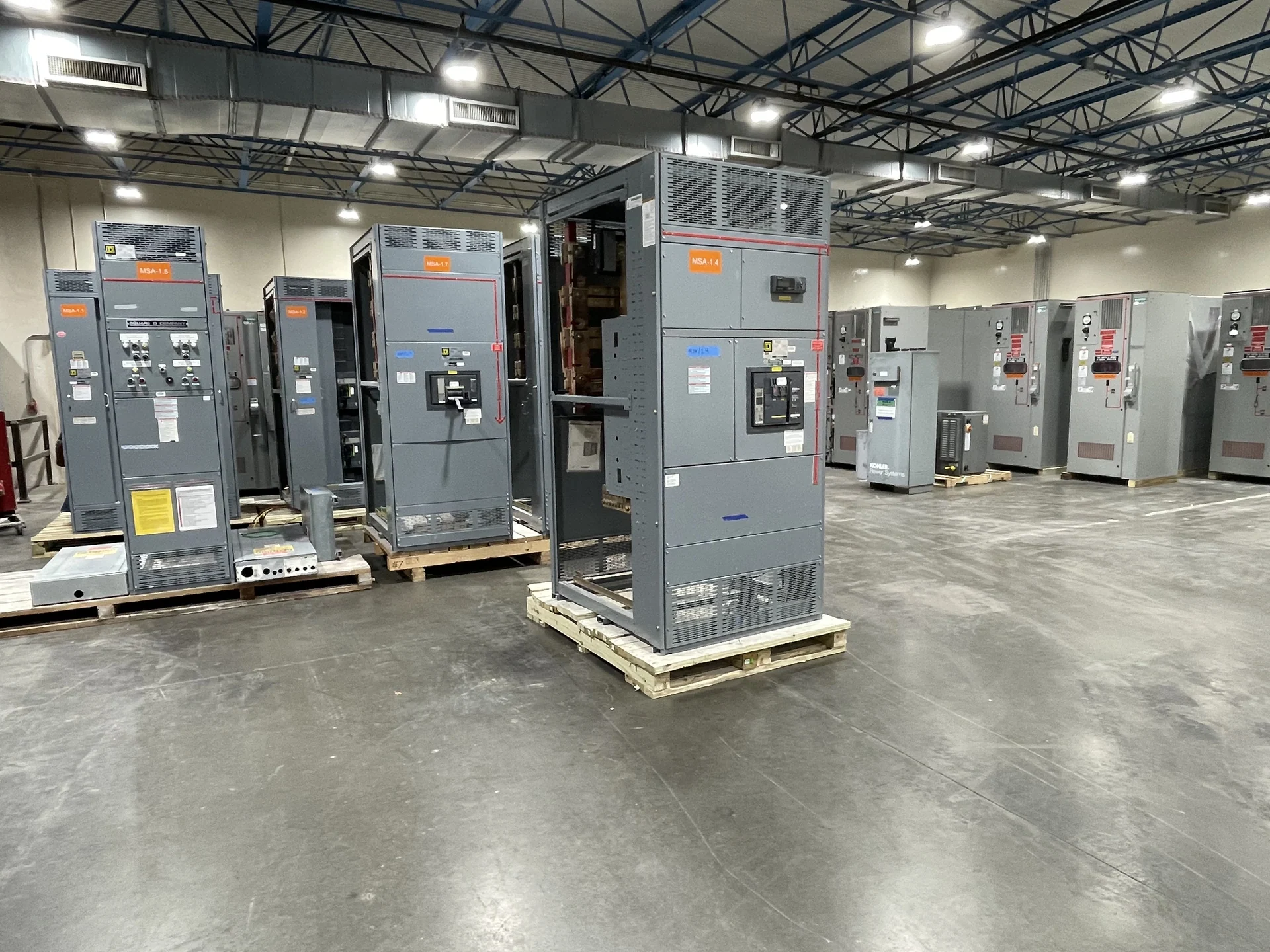
Custom switchgear building brings enclosure construction, bus arrangement, component mounting, barriers, grounding provisions, control wiring, labels, and access panels into one coordinated package. Component selection should match the specified electrical duties, environmental conditions, available space, connection method, and documentation requirements; substitutions should be reviewed rather than assumed. Switchgear Builders supplies new equipment directly as an American manufacturer, with custom builds and American components positioned around the project specification. The practical objective is a coherent assembly whose drawings, physical arrangement, device data, and connection points agree before the equipment is prepared for shipment.
Define Inspection and Testing Scope
Inspection and testing should be agreed as a project scope, not treated as an automatic promise of a particular result or certification. A plan may identify workmanship checks, dimensional verification, torque documentation where specified, conductor identification, continuity checks, insulation-related checks where applicable, device operation, interlock sequences, metering circuits, and control-point verification. Acceptance criteria, test instruments, witness expectations, and record format belong in the approved project documents. If UL 891 is relevant, its applicability and any project-specific listing or assembly requirements must be confirmed for that exact equipment; the standard does not establish a blanket claim for every project.
Complete Documentation and Nationwide Shipping
Project support continues through drawings, schedules, bills of material, device information, terminal plans, test records, installation notes, and shipping coordination. Before release, compare the approved layout with the shipping split, section weights, lifting provisions, destination access, receiving responsibilities, and field connection plan. Nationwide shipping requires the destination and freight requirements to be defined so packaging and delivery arrangements can be coordinated without assuming a route or schedule. Switchgear Builders manufactures and supplies new equipment across the United States; project-specific availability, shipping terms, and transit estimates should be confirmed in the quotation and order documents.