Start with the Grand Rapids Project Conditions
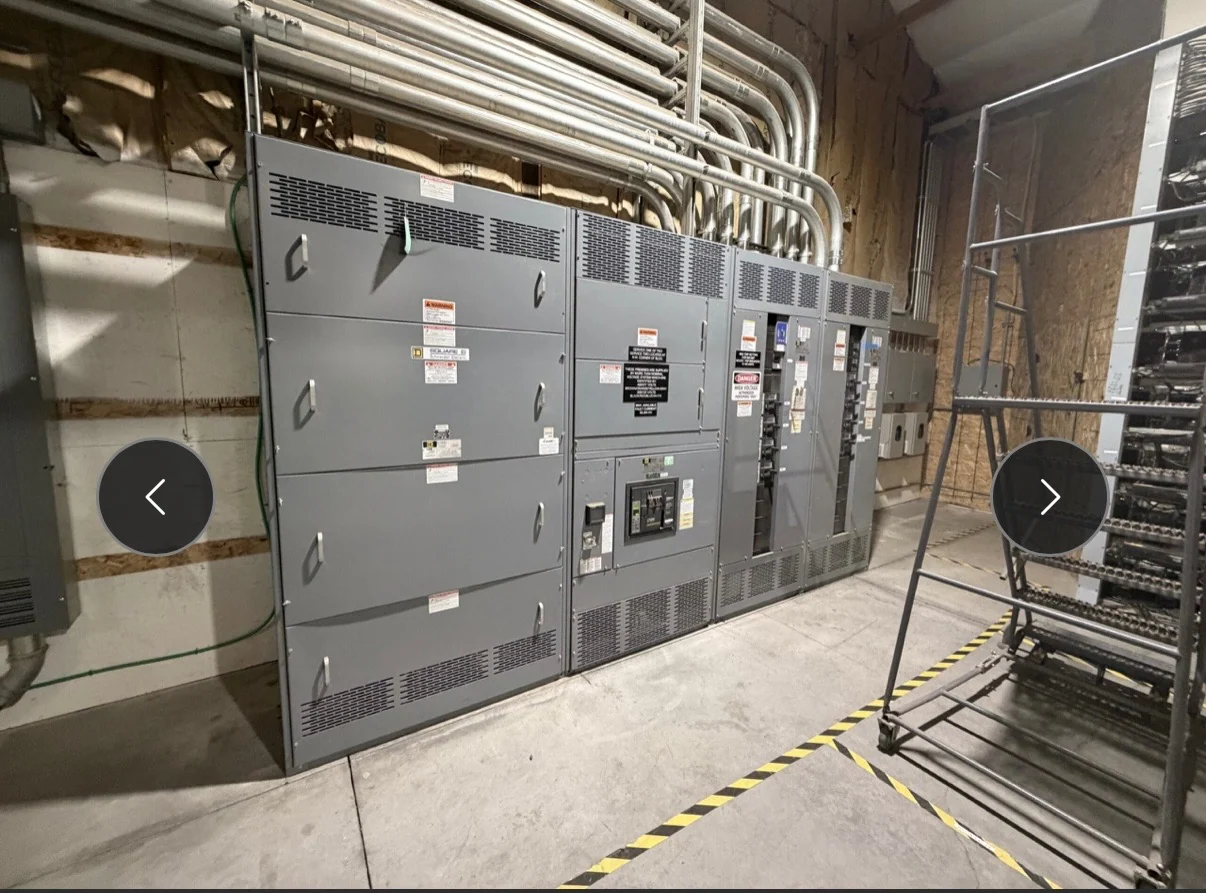
A Grand Rapids healthcare distribution project should begin with the electrical one-line diagram, not with a catalog label. Identify the service arrangement, normal sources, emergency sources, transformer interfaces, feeder destinations, and spaces that must remain energized. Then document the facility type, expansion plans, indoor or outdoor equipment locations, available fault current, system voltage, frequency, phase, grounding method, and environmental exposure. These inputs let a manufacturer evaluate whether new switchgear, switchboards, transfer equipment, or a coordinated combination is appropriate. Switchgear Builders manufactures new electrical switchgear in the United States, builds custom to specification, uses American components, and supplies equipment with nationwide shipping; final equipment scope remains dependent on the particular engineering package.
Separate Essential Loads from Convenient Loads
Healthcare backup power planning depends on a disciplined load schedule. Separate life-safety, critical, equipment, and other facility loads according to the governing design documents and the healthcare authority requirements applicable to the project. Record normal and starting demand, motor characteristics, large electronic loads, HVAC dependencies, medical equipment interfaces, and any loads that must be shed during source limitations. For each feeder, note its source, destination, protective device, conductor information, and required transfer behavior. This detail helps engineers establish bus sections and feeder compartments without treating every connected load as identical or assuming that a transfer sequence is acceptable before it is reviewed.
Define the Transfer Sequence Before Building
A transfer arrangement should be described as an operating sequence that people can review, not merely as a device name. State what happens after normal-source loss, how the emergency source becomes available, which loads transfer first, whether open or closed transition is intended, how retransfer occurs, and what manual controls or interlocks are required. Address source sensing, generator readiness, bypass or maintenance operation if included in the design, and behavior after a partial restoration. Coordination among the facility engineer, electrical engineer, generator or transfer-equipment team, and installer is important because a switchgear lineup must match the control logic, cabling, and field interfaces shown in the approved documents.
Plan Outages and Installation Access
Outage planning for a Grand Rapids healthcare facility should account for patient-care continuity, temporary power strategy, construction phasing, inspections, commissioning activities, and the physical path from delivery point to electrical room. Provide room dimensions, working clearances, door and corridor limits, floor loading information where relevant, equipment split preferences, lifting constraints, and cable-entry orientation. A replacement or expansion may require temporary feeder arrangements and carefully sequenced shutdowns, but the acceptable method must come from the responsible design and facility teams. A manufacturer can use the documented constraints to develop a buildable new assembly and shipping plan rather than assuming that the existing room can accept any lineup.
Review Ratings, Enclosures, and Documentation
The equipment schedule should reconcile continuous current, short-circuit duty, interrupting ratings, bus bracing, voltage class, enclosure requirements, metering, protective devices, and control wiring. Confirm whether equipment is indoors or exposed to weather, how cables enter, how grounding and bonding connect to the facility system, and which dimensions must align with existing gear or new construction. Request drawings that show the lineup, elevations, device designations, terminal points, and interlocking concept, along with component data and a project-defined inspection or test plan. If UL 891 is specified, confirm its applicability and any listing or capability for this particular project rather than assuming it applies to every assembly.
Prepare a Useful Manufacturer Inquiry
For a useful inquiry about Grand Rapids electrical distribution, send the one-line diagram, load schedule, equipment schedule, site and room information, source and transfer narrative, protection or coordination requirements, desired documentation, and any approved submittal criteria. Identify whether the request concerns a new healthcare service, an addition, or a replacement interface, while describing existing dimensions and connection points without relying on assumptions about compatibility. Include the project destination so nationwide shipping and receiving logistics can be considered, and request project-specific availability and delivery estimates. Clear inputs allow Switchgear Builders to prepare a custom-to-spec new-equipment response centered on the actual application.