Start with a Comparable Technical Scope
Electrical switchgear quotes are only meaningfully comparable when every manufacturer prices the same defined equipment. Begin with the one-line diagram, nominal system voltage, frequency, phase and wire arrangement, grounding method, continuous current requirements, available fault current, and required interrupting or withstand duty. Identify whether the assembly is indoor or outdoor, the enclosure environment, incoming and outgoing cable arrangements, and the physical footprint. A clear equipment schedule should also identify mains, ties, feeders, protective devices, metering, controls, and spare provisions. When information is preliminary, label assumptions rather than allowing each quotation to fill gaps differently.
Compare Configuration, Not Just the Total
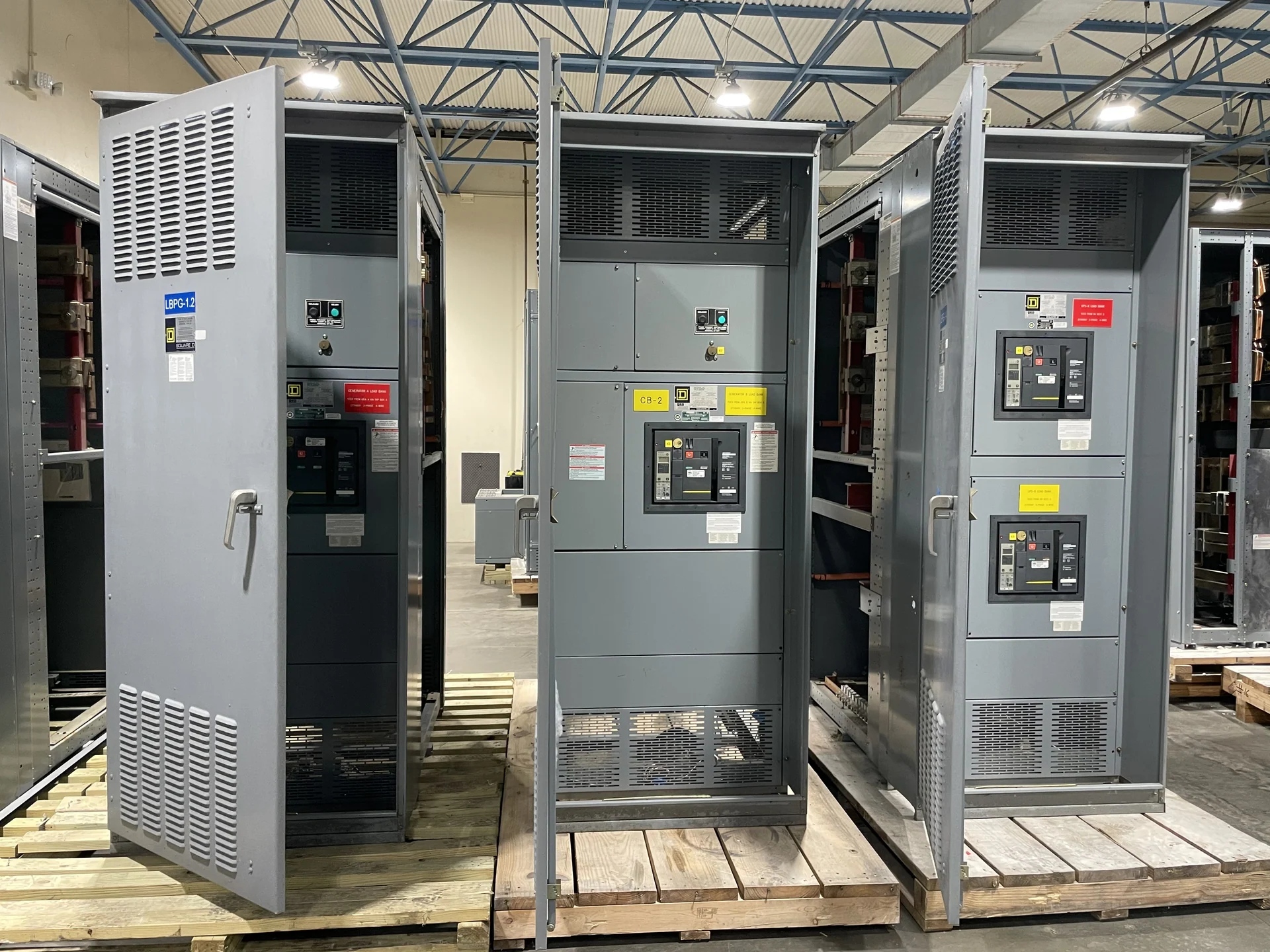
A lower total may reflect a different configuration rather than a better commercial offer. Put each new switchgear quote into a side-by-side schedule showing lineup sections, bus material, device type and mounting arrangement, compartment requirements, cable entry, control power, relaying, metering, communications, and access provisions. Check whether the quotation covers a complete coordinated lineup or only selected sections. Drawout and fixed-mounted arrangements can change service access, dimensions, and device replacement planning, so the comparison should state which arrangement is included. The same discipline applies to main-tie-main schemes, transfer interfaces, and generator or transformer feeders.
Manufacturer quotations should identify what drawings and documents are included, such as a one-line diagram, outline dimensions, elevation, terminal information, device data, wiring diagrams, and test records. Ask whether submittal revisions, operating instructions, and field connection information are part of the quoted scope or require separate definition. If UL 891 may apply to the proposed switchboard assembly, treat applicability, construction requirements, and any project-specific listing or verification as questions for the project team; do not infer a blanket listing from a product description.
Make Inclusions and Exclusions Explicit
Commercial comparison becomes clearer when each quotation separates equipment, engineering coordination, inspection, testing, packaging, freight, taxes, installation, startup, and field services. Ask what is included in the quoted new equipment and what remains with the electrical contractor, engineer, utility, or qualified testing organization. Clarify whether the price covers shipping to the stated U.S. destination, how the lineup will be split for transport, and whether unloading, rigging, storage, and movement into the electrical room are outside the manufacturer’s scope. Nationwide shipping can be coordinated, but destination access and freight terms must be defined for the project.
Evaluate the Manufacturer and Components
When selecting among switchgear suppliers, evaluate how directly each manufacturer can translate the project documents into a custom build. Useful questions concern drawing review, change control, component substitution, nameplate information, wiring identification, and the method used to record inspection or electrical test results. Switchgear Builders manufactures new electrical switchgear in the United States, builds custom to specification, supplies American components, and ships nationwide. The requested configuration and component choices should be documented and matched to the project requirements during technical review.
Resolve Coordination and Installation Interfaces
A quote should support coordination among the equipment manufacturer, specifying engineer, installer, utility, and other source or load equipment providers. Confirm who supplies protective settings, who reviews the available fault current, and who owns the final operating sequence for mains, ties, transfers, interlocks, and remote controls. Compare the proposed dimensions and lifting provisions with the route from delivery point to electrical room, including door openings, floor capacity, turning space, and maintenance clearances. These interface details can change the practical value of an otherwise similar quotation.
Request a Quote That Can Be Audited
For a useful switchgear quotation, send the manufacturer the latest one-line diagram, equipment schedules, specifications, site and destination information, outline constraints, control narratives, metering requirements, and any applicable utility or project standards. Request a written list of assumptions, exceptions, alternates, and unresolved inputs, then compare revisions by date and drawing reference. A good review does not select on price alone; it confirms that ratings, configuration, documentation, shipping responsibilities, and commercial terms describe the same new equipment package. Ask the manufacturer to identify questions before finalizing the scope, so the quote can be revised on a documented basis.