Start With the Project Electrical Basis
A useful switchgear quote begins with the electrical basis of design rather than a product name alone. Send the nominal system voltage, phase and wire arrangement, frequency, grounding method, service or feeder role, calculated load, continuous current, and available fault current when known. Identify whether the new assembly serves a utility service, transformer secondary, generator, motor loads, or downstream distribution. These details let a manufacturer frame a technically coherent quotation and identify information that still requires an engineer's confirmation. For a replacement or expansion, identify the equipment being replaced, the loads that must remain energized, and whether the quote is for a complete lineup or a defined section. Include transformer data and feeder names when they affect the proposed arrangement.
Include the One-Line Diagram
The latest one-line diagram is usually the clearest map of the requested equipment. Mark incoming sources, mains, bus sections, ties, feeders, transformers, generators, transfer equipment, metering points, grounding connections, and protective devices. If the drawing is preliminary, label assumptions and revision status instead of presenting them as final. A short written description of the intended operating sequence is valuable for main-tie-main arrangements, alternate sources, generator interfaces, or any interlock that is not obvious from symbols. A marked-up drawing should distinguish existing conditions from proposed work, especially where a tie, bypass, or future feeder is shown but not part of the initial order. Note the drawing scale when clearances or cable termination space are being evaluated.
Define Ratings and Protective Devices
List required continuous-current ratings for mains, bus, and feeders, along with equipment voltage class and each protective device's interrupting or withstand duty as applicable. Provide breaker or switch preferences only when they are established by the design; otherwise, describe the required function and coordination objective. A coordination study, arc-flash study, or utility fault-current letter can supply important inputs, but the quote should identify which values are confirmed, calculated, or pending. Final ratings and settings remain subject to qualified engineering review.
Describe the Physical Configuration
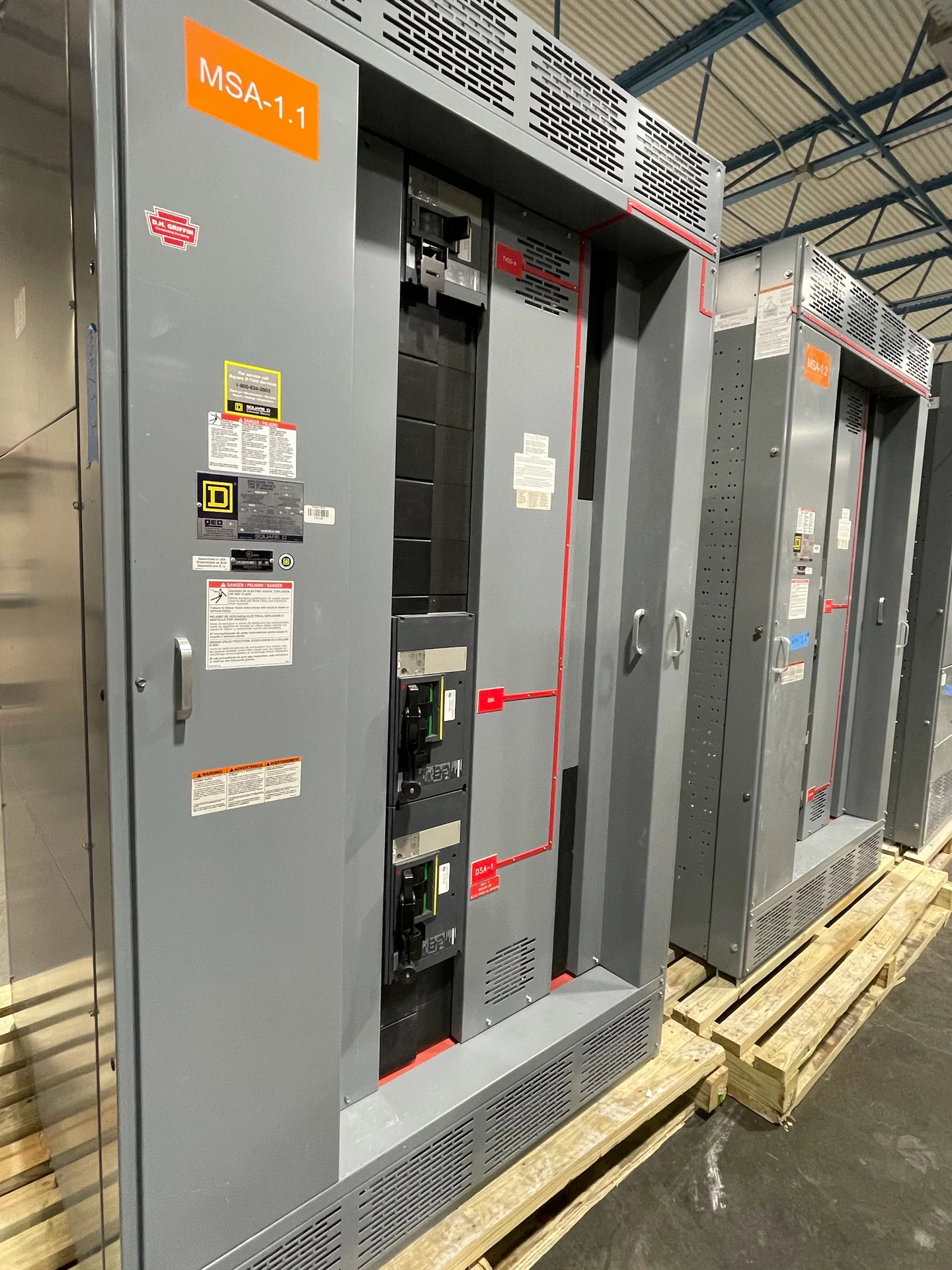
Quote preparation also requires a physical picture of the lineup. Share available room dimensions, maximum height or depth, lineup orientation, cable entry direction, connection points, working-space constraints, shipping splits, lifting limitations, and the path from receiving to installation. Note indoor or outdoor placement, environmental exposure, enclosure requirements, seismic or anchorage criteria, and access for operation and maintenance. A floor plan, equipment schedule, photographs of interfaces, and existing conduit information can prevent an electrically correct concept from becoming impractical to install. If several manufacturers or device families are acceptable, say so and identify any preferred options separately from mandatory performance requirements. That distinction helps keep the comparison useful without treating an unapproved substitution as equivalent.
Specify Controls, Metering, and Documentation
Explain the controls and information functions expected from the assembly. Identify metering quantities, communications interfaces, relaying, alarm points, remote commands, control voltage, terminal arrangements, source permissives, and the normal and alternate operating sequence. Request the documentation package that the project actually needs, such as arrangement drawings, one-line updates, wiring diagrams, device data, bills of material, and test records. If UL 891 is referenced, state that requirement clearly; its applicability and any project-specific listing or capability must be confirmed for the particular assembly.
Give the Site and Delivery Context
Include the project city and state, jobsite conditions, receiving contact, delivery restrictions, and the party responsible for unloading, rigging, storage, and placement. The location helps coordinate nationwide shipping and identify access, weather, utility, and jurisdictional questions for the project. State the desired in-service date, submittal milestones, outage window, and decision date as planning inputs, not as assumed commitments. Also identify whether the quote should include freight scope, packaging expectations, field support, or coordination with the installing contractor.
Make the Quote Request Actionable
Send one organized package containing the project name, contact details, drawings, schedules, specifications, revision dates, and a clear list of exclusions or open decisions. Tell the manufacturer which alternates should be priced separately and which requirements are mandatory. Switchgear Builders manufactures new electrical switchgear in the United States, builds custom to specification, uses American components, and supplies equipment with nationwide shipping. A complete request allows the manufacturer to respond to the defined scope while the engineer, owner, and contractor retain control of approvals and final design responsibility.