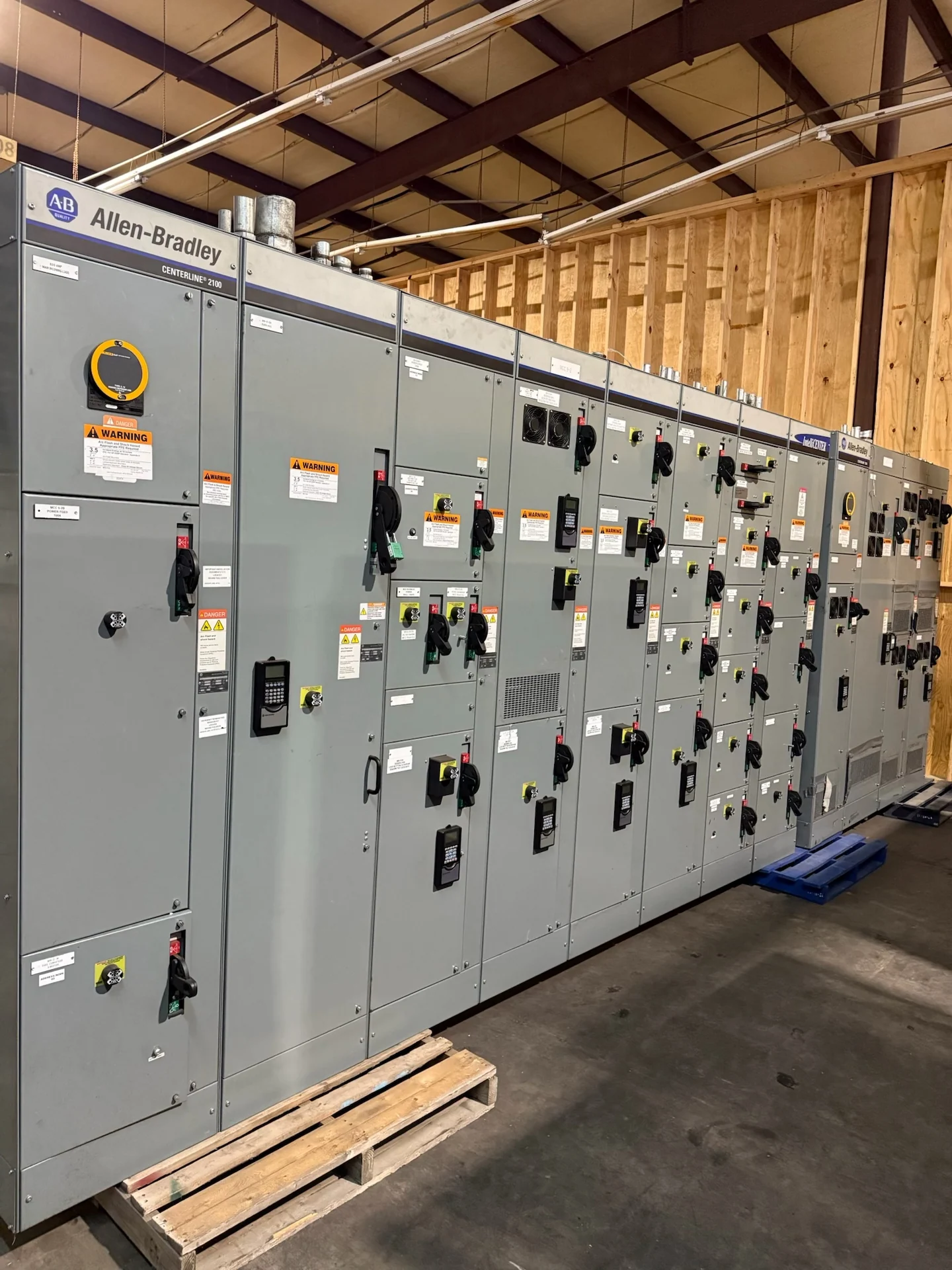
Why switchgear pricing is project-specific
Switchgear equipment pricing is not a meaningful single number until the electrical and physical scope is defined. A manufacturer must understand the nominal system voltage, continuous current, available fault current, frequency, phase arrangement, grounding method, and required source or feeder configuration. The enclosure environment, installation location, access limits, and destination also affect the build. A request for new switchgear cost should therefore describe the application rather than rely on a generic catalog label. When a buyer supplies a clear one-line diagram and equipment schedule, the quotation can separate required construction from optional features and make comparisons between proposals more useful.
Ratings that shape the equipment scope
Electrical ratings influence both the size of an assembly and the devices selected within it. Continuous current affects mains, bus conductors, and feeder capacity, while short-circuit information guides the specified withstand or interrupting duties as applicable. Voltage class, insulation requirements, and system grounding can change the construction approach, especially when the project moves beyond ordinary low-voltage distribution. Protective-device frame size, trip functions, fuse arrangements, metering, and control power add further definition. These inputs should be reviewed by the responsible electrical engineer; a higher rating is not automatically a better value if it does not match the calculated system requirements.
Configuration, components, and controls
The lineup arrangement often accounts for a substantial part of a switchgear quote. Main-tie-main, single-ended, double-ended, feeder-only, and other arrangements require different bus layouts, interlocking concepts, compartments, and operating sequences. Fixed or drawout devices, breaker or fused protection, auxiliary contacts, metering, relays, terminal blocks, space provisions, and control wiring each affect engineering and assembly effort. A custom switchgear quote should identify the number and function of mains and feeders, connection orientation, cable entry, required compartments, door locations, and control logic. Switchgear Builders uses American components; confirm the exact component make, origin, and availability in the project quotation so the proposal reflects the specified equipment.
Testing, documentation, and review requirements
Testing and documentation are valuable parts of the delivered equipment package, not merely administrative additions. A buyer should state whether the project requires visual and dimensional inspection, wiring checks, continuity or insulation checks, device operation checks, functional demonstrations, witnessed factory acceptance testing, or recorded results. Drawing packages may include a one-line diagram, elevations, wiring diagrams, bills of material, terminal schedules, and maintenance information, subject to the agreed scope. If UL 891 may apply, its applicability, construction requirements, and any project-specific listing or evidence must be confirmed for the particular assembly; it should not be treated as a blanket assumption.
Shipping and installation logistics
Shipping can influence the total price through lineup length, shipping splits, crating, protection of doors and instruments, lifting provisions, freight terms, and destination requirements. Provide the U.S. delivery location, receiving hours, dock or crane limitations, access route, and whether the equipment must be divided for movement into the electrical room. Nationwide shipping is available, while the quotation should identify what freight, unloading, rigging, and final placement responsibilities are included or excluded. The installer should verify field dimensions, anchor points, cable-entry clearances, working space, and the planned sequence before an order is released.
How to compare new switchgear quotes
Compare electrical switchgear price proposals only after aligning their assumptions. Check that each quote uses the same voltage, current, fault duty, lineup dimensions, source arrangement, protective-device functions, metering, control voltage, enclosure conditions, testing, drawings, shipping destination, and exclusions. Ask which items are included in the base scope and which are alternates, and request clarification when a proposal uses a broad phrase such as standard components. A manufacturer-built solution custom to specification should be judged on technical fit, transparent scope, documentation, and coordination as well as the initial amount. Before purchase, have the engineer, contractor, and owner resolve open interfaces and approve the final submittal.