Start with the Distribution Problem
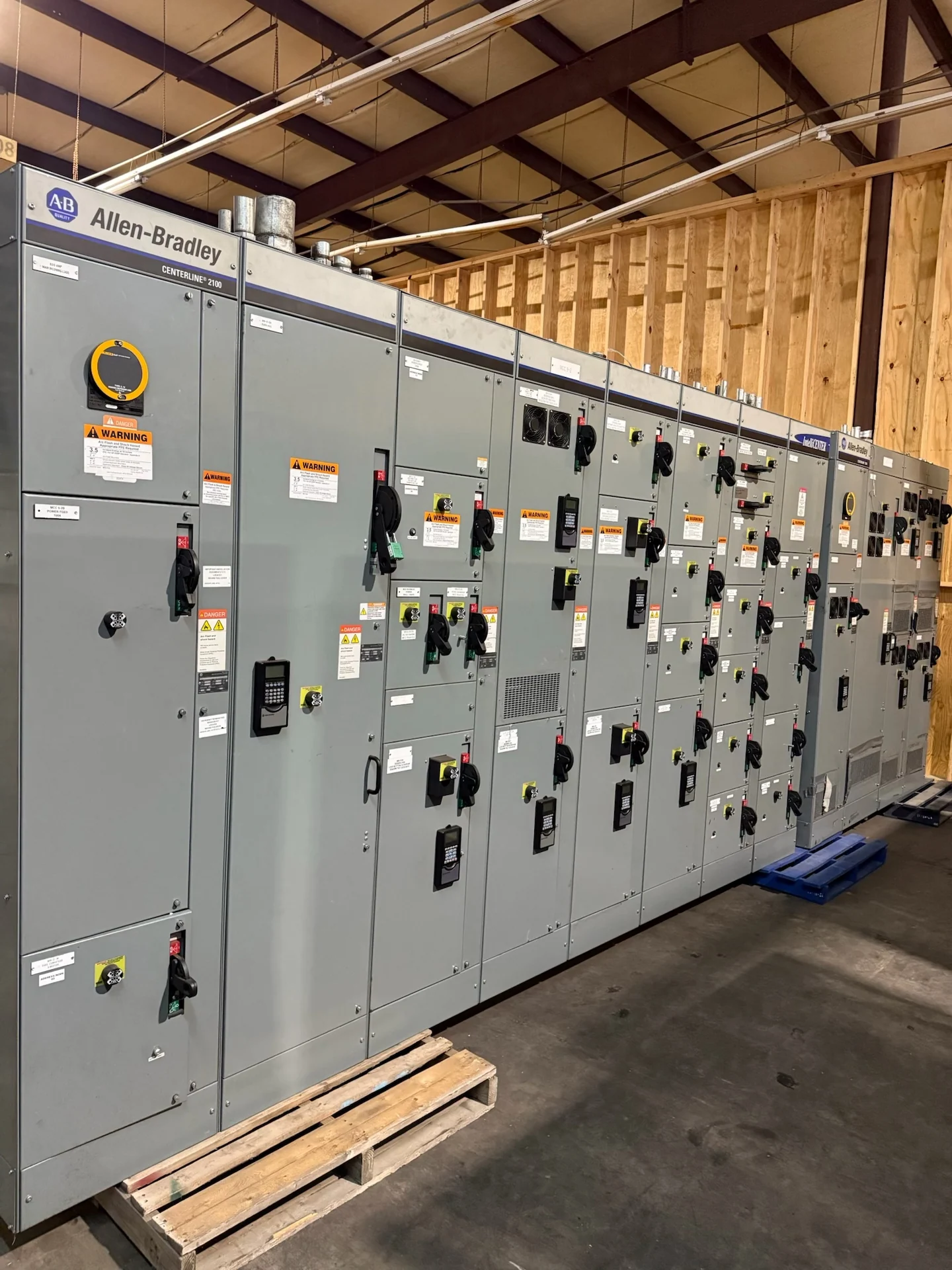
Switchgear design assistance is most useful before a lineup is treated as a box with a price. Begin by defining what the equipment must accomplish: incoming sources, transformer or generator interfaces, feeder destinations, operating priorities, and the loads that cannot be interrupted casually. A manufacturer can coordinate an early equipment conversation around the one-line diagram, project specifications, installation setting, and the responsibilities of the engineer, contractor, and owner. That alignment helps distinguish a required function from a preferred feature and creates a practical basis for a custom new switchgear package built to the project scope.
Review the One-Line Diagram Carefully
A useful one-line review traces power from each source through mains, ties, bus sections, protective devices, and feeders to the connected distribution equipment. Confirm whether the drawing shows normal and alternate sources, grounding method, metering points, bypass paths, and the intended operating sequence. Mark ambiguities rather than silently filling them in: an unlabeled tie, an unclear feeder destination, or a missing source interlock can change the lineup architecture. Switchgear project support should turn those questions into an organized design review for the engineer of record and the installation team.
Confirm Ratings and Protection Inputs
Equipment selection depends on more than a nominal voltage and ampere value. Collect system frequency and phase, continuous current, available fault current, interrupting or withstand requirements as applicable, grounding details, protective device types, and coordination-study assumptions. Identify whether future load growth, selective coordination, arc-flash objectives, or generator operation affects the arrangement. The manufacturer can use those inputs to develop a technically coherent proposal, while the responsible electrical professionals confirm calculations, settings, and applicable requirements. Ratings should remain project-specific until the source data and protection review are complete.
Fit the Equipment to the Site
Physical interfaces deserve the same attention as electrical values. Share the available room dimensions, lineup orientation, cable entry direction, termination space, working clearances, access route, floor or housekeeping-pad information, and any height or weight restrictions known to the project. Note environmental exposure, ventilation needs, indoor or outdoor placement, and the locations of conduits or bus connections. Early coordination can reveal that a preferred arrangement conflicts with doors, structural members, rigging access, or maintenance space, allowing the custom design to address the constraint before fabrication drawings are reviewed.
Define Controls, Documents, and Interfaces
Ask early how the lineup will be operated and documented. Identify local controls, remote signals, alarms, metering, communications, interlocks, source-transfer logic, terminal blocks, and the points that must connect to a building or plant control system. Establish which drawings, device schedules, wiring information, installation details, and test records are expected in the submittal package. If the project references UL 891, confirm its applicability and any project-specific requirements rather than assuming it governs every configuration. Clear document ownership reduces late revisions between the manufacturer, consulting engineer, controls contractor, and installer.
Prepare a Better Manufacturer Inquiry
A strong inquiry can include the latest one-line diagram, specifications, schedules, fault-duty information, site dimensions, delivery destination, preferred source sequence, and a list of open decisions. State whether American components are required, which project documents control when they conflict, and what nationwide shipping coordination will involve at the destination. Include expected review milestones and identify who can answer electrical, controls, structural, and receiving questions so revisions do not circulate without an accountable decision. Switchgear Builders manufactures new electrical switchgear in the United States, custom to specification, and can use this information to frame a meaningful design discussion. The final scope, components, drawings, testing, and commercial terms still need project-by-project confirmation before an order is placed.