Start with the system, not a single equipment label
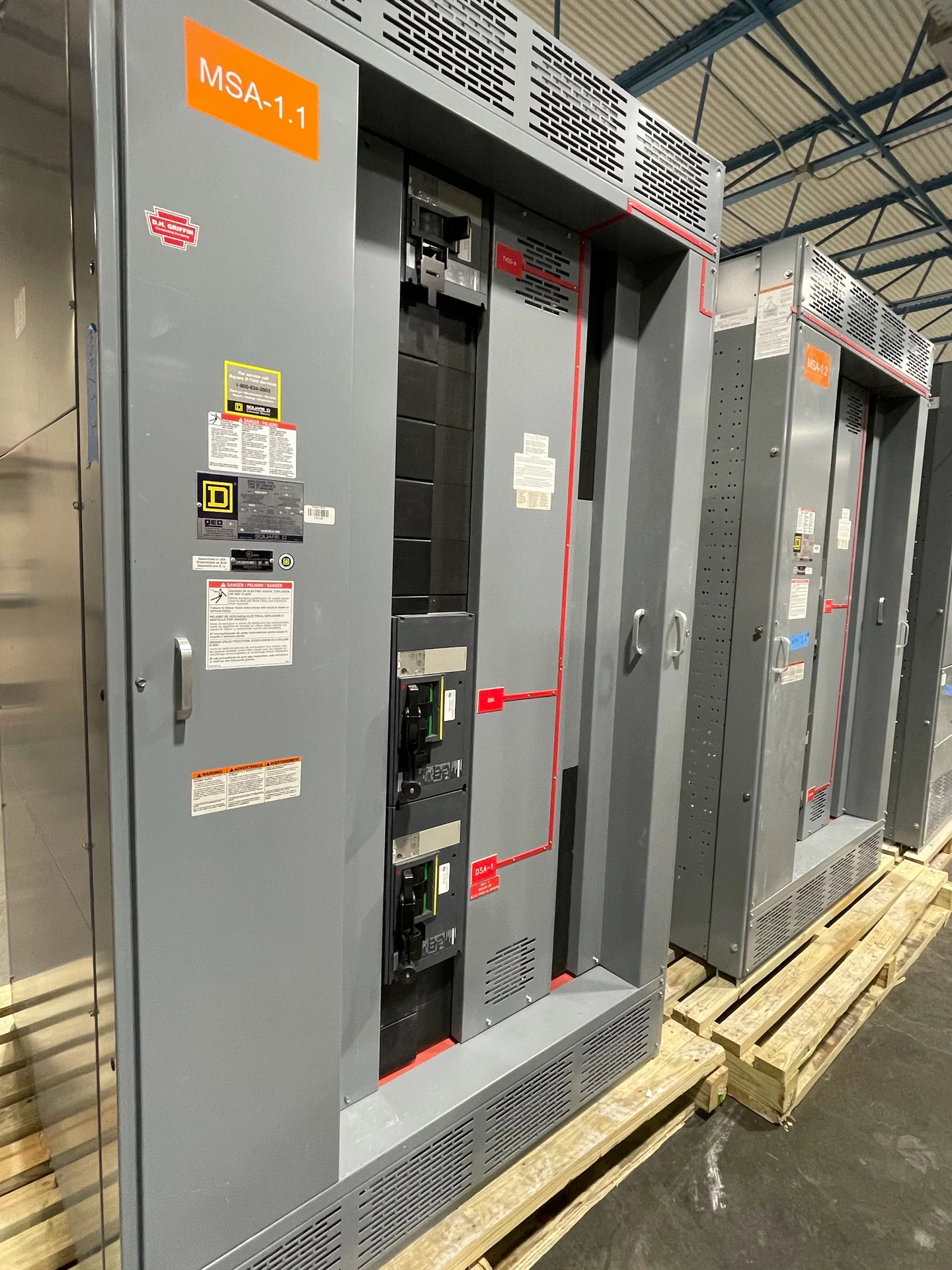
Switchgear arc-flash design considerations begin with understanding how an electrical system will be supplied, operated, and maintained. An arc flash can release thermal energy and create pressure, sound, and flying material when a fault arcs through air. An arc-flash study estimates incident energy at a defined working distance and may establish an arc-flash boundary for particular conditions; neither value by itself is a complete safety plan. For a new lineup, involve the owner, design engineer, installer, and equipment manufacturer early enough to coordinate protection, physical arrangement, and documentation. The objective is to evaluate exposure and reduce risk using project-specific engineering and safe work practices, not to assume a device or label eliminates the hazard.
Build a defensible arc-flash study
A qualified engineer needs a current one-line diagram, source and transformer data, conductor information, grounding arrangement, equipment geometry where applicable, and protective-device characteristics and settings. Obtain available fault-current information from the utility and identify contributions from generators and motors when relevant. Model credible operating configurations, such as an open or closed tie, alternate source, and changes in source strength. Fault current and protective clearing time both affect the result; a lower arcing current can sometimes lead to a longer trip time and greater incident energy. Select an applicable calculation method, such as IEEE 1584 where its scope fits, and document assumptions, input gaps, working distances, and study limitations rather than treating one scenario as universal.
Coordinate settings with reliability and protection
Protective settings can materially change fault-clearing time, but faster is not automatically the best setting for every operating condition. The engineer should compare time-current characteristics, device interrupting capability, equipment withstand duty, and coordination with upstream and downstream protection. For example, shortening a delay may reduce calculated energy at one bus while increasing the chance that a broader portion of the system trips during a downstream fault. Consider temporary maintenance settings or protection schemes when appropriate, including how they are enabled, indicated, tested, and returned to normal operation. The authorized party should approve and document final settings, and the study should reflect both normal and credible maintenance configurations.
Specify design choices and their limits
Translate the study findings into a switchgear specification that addresses the locations and tasks where personnel may be exposed. Depending on the design, remote operation or racking can increase distance from the equipment during certain operations; barriers, compartment arrangements, and control interfaces may also influence exposure and access. Ask the manufacturer and engineer to define exactly which operations and compartments each feature addresses, along with any installation and maintenance conditions. A main breaker inside a lineup may not protect every part of its own supply-side connection against an internal fault. Review upstream protection and the service interface separately, including any utility coordination, rather than assuming one protective device covers the entire assembly.
Distinguish arc-resistant construction from a study
An arc-flash calculation and an arc-resistant equipment evaluation answer different questions. The study estimates incident energy for modeled conditions; an arc-resistant design is evaluated against specified internal arcing test criteria and accessible sides or locations under defined conditions. If arc-resistant construction is required, identify the applicable equipment standard and test method, such as IEEE C37.20.7 where applicable, and request project-specific evidence for the proposed configuration, test current and duration, accessibility, and operating conditions. Doors, covers, ventilation, and pressure-relief or exhaust paths can affect the conditions under which a design was evaluated. Coordinate any exhaust discharge and room interfaces with the building design. Do not infer an arc-resistant rating from a standard enclosure or from a low calculated incident energy.
Plan work practices, labels, and study updates
The preferred approach is to establish an electrically safe work condition before interacting with equipment whenever required and practicable under the applicable rules. Qualified personnel should follow the site's procedures for isolation, lockout and verification of absence of voltage, with properly selected and verified test instruments. Where energized work is justified, the employer's risk assessment and applicable requirements govern boundaries, protective equipment, tools, and procedures; an arc-flash boundary is distinct from a shock protection boundary. Provide the study results and assumptions to the party responsible for labels and safe work procedures. Review and update the analysis when changes to sources, protective settings, or equipment could affect the results, and at intervals required by the applicable standard and site policy.
Prepare an inquiry for new switchgear
When requesting new equipment from Switchgear Builders, share the one-line diagram, system operating scenarios, source information, proposed device schedule, and any available study or protection requirements. Include the required electrical equipment rating for voltage, current, and short-circuit duty, along with the physical layout, cable entry, maintenance access, and environmental conditions. State whether the project seeks remote operation, a maintenance protection mode, or documented arc-resistant construction, and identify who will design, supply, and commission each interface. Ask for drawings and relevant test or application documentation to review against the specification. Confirm project-specific feature availability and responsibilities before ordering; the owner and qualified engineer remain responsible for the system study, settings approval, and workplace procedures.