Planning Springfield Service-Entrance Equipment
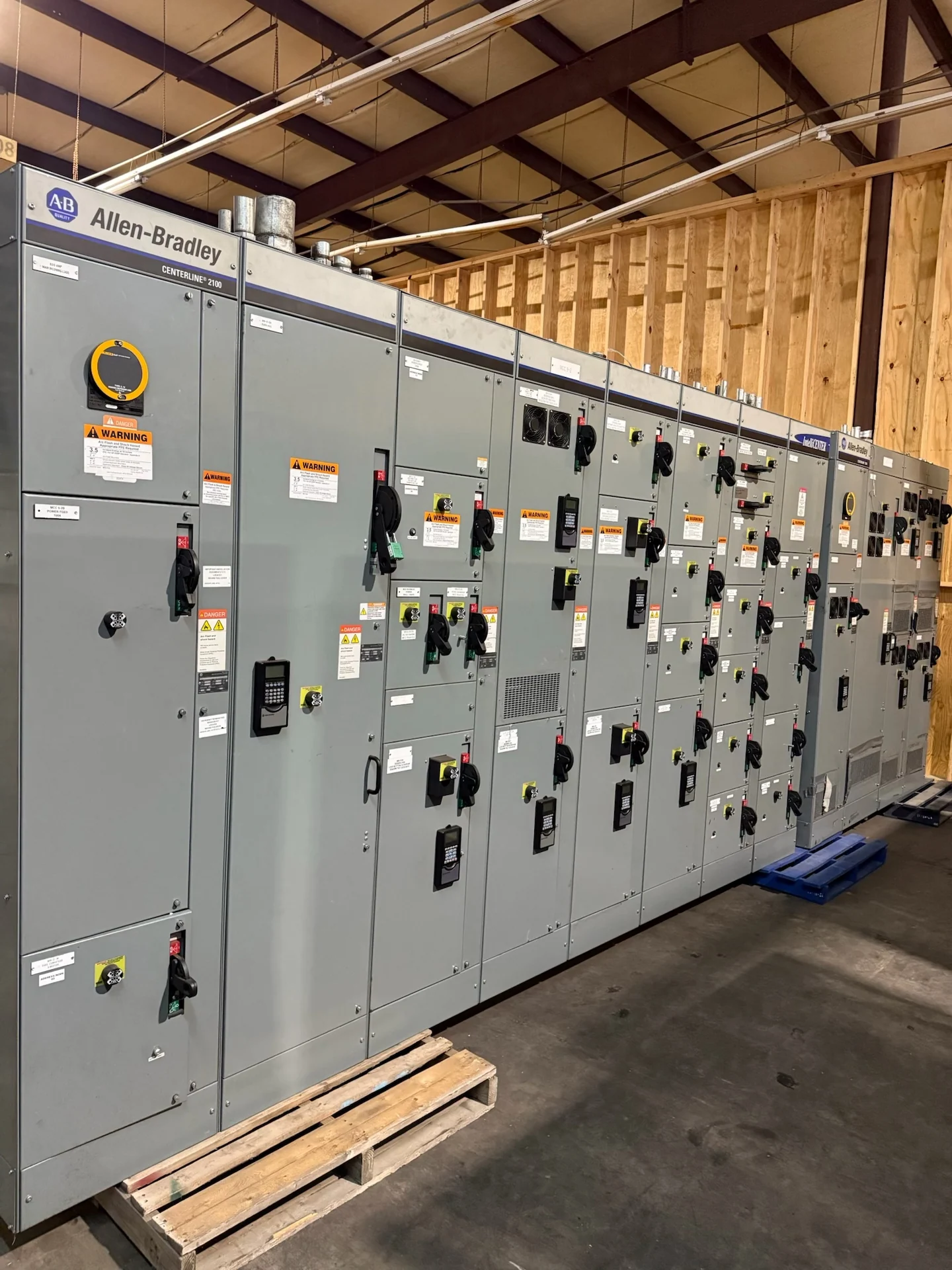
A Springfield, Illinois electrical distribution project begins with the service interface, not a generic equipment label. A commercial building, manufacturing site, or expansion may require a service-entrance switchboard arranged around the utility connection, service disconnecting means, metering provisions, feeder circuits, and calculated available fault current. Switchgear Builders manufactures new electrical switchgear in the United States, builds custom equipment to specification with American components, and ships nationwide. The practical first step is to align the electrical engineer, utility requirements, installer, and manufacturer on the exact one-line diagram and installation conditions before equipment details are finalized. Include the intended service arrangement, expected operating conditions, and whether the project is new construction, an addition, or a planned replacement so the design discussion starts with a usable set of assumptions. Clear inputs reduce revisions and make comparison of manufacturer proposals more meaningful.
Confirm the Utility and Metering Interface
Utility coordination deserves its own review because metering space, service conductors, access, sealing provisions, and utility-approved arrangements can affect the lineup. For a Springfield project, provide the serving utility information available to the design team, along with service voltage, phase and wire configuration, grounding method, incoming conductor size, termination direction, and the intended meter location. The manufacturer can then develop a design around the stated interface rather than assuming a standard arrangement. Utility requirements should be confirmed by the project team, since they can vary with the service and application. Ask who supplies and owns the meter compartment, which party performs final utility review, and how inspection access will be maintained after installation. Those questions help separate utility-facing provisions from owner distribution requirements before fabrication drawings are released.
Define Main, Feeder, and Disconnecting Functions
A useful service-entrance switchboard specification identifies what the main device must accomplish, how feeders will be protected, and which loads need dedicated sections or metering. List feeder quantities, conductor entry and exit directions, continuous load calculations, expected load growth, short-circuit information, and any required interlocks or shunt-trip functions. Commercial projects may prioritize tenant allocation and maintainable feeder access, while industrial projects may need space for larger process loads and coordinated motor distribution. Each choice should follow the engineer’s design and the applicable project requirements, rather than a location-based assumption. Also identify spare positions, future feeder provisions, equipment labeling, and any source-transfer logic shown on the one-line. These details can change section count, wiring, and enclosure dimensions, so recording them early is preferable to treating them as field changes.
Coordinate Physical Layout Before Fabrication
Dimensions are part of electrical planning. Share the available room footprint, wall locations, working clearances, ceiling height, equipment movement path, cable-trench or conduit approach, housekeeping pad details, and the preferred shipping split with the manufacturer. Door swing, removable covers, termination access, and maintenance space can influence whether a proposed lineup fits the Springfield site. Existing architectural and structural drawings should be checked against the equipment layout, and the installing contractor should review handling access before drawings are approved. A custom build is most useful when physical interfaces are resolved alongside ratings and circuits.
Review Fault Duty, Protection, and Documentation
Available fault current and protective-device coordination shape the main and feeder selections. Provide the study inputs or design values used for the service, identify the required interrupting ratings, and explain any selective-coordination or arc-flash objectives that apply to the project. The equipment package should identify the agreed devices, settings information, bus arrangement, grounding and bonding details, terminal markings, and drawing revisions. If UL 891 is relevant to the specified assembly, its applicability and any project-specific listing or verification must be confirmed for that project; it should not be assumed from the equipment name alone. Protection settings should be coordinated with the upstream utility interface and downstream devices by the responsible engineer. Test procedures and record formats are also worth defining in the submittal process, especially when multiple parties will review the completed assembly.
Request a Springfield Project Quote
When requesting a quote for Springfield electrical distribution, send the one-line diagram, load schedule, utility notes, site location, service details, enclosure environment, dimensions, feeder schedule, metering requirements, desired documentation, and shipping constraints. State whether the request covers equipment only or includes defined engineering and testing deliverables, and identify the drawing-review process and responsible contacts. Switchgear Builders manufactures new custom switchgear in the United States using American components, and can review the requested scope and coordinate nationwide shipping. Final scope, commercial terms, design details, and shipment planning remain specific to the project.