Start with the Expansion Load and Feeder Plan
A facility expansion in Portland, Maine should begin with a clear description of what the new electrical distribution must serve, not with a preferred enclosure or breaker arrangement. Identify existing demand, proposed loads, motor starting characteristics, future capacity, voltage, phase, frequency, grounding method, and available fault current. A current single-line diagram, load schedule, utility information, and panel or transformer data give the manufacturer a workable basis for discussing new switchgear and feeders. Separate firm requirements from planning allowances so a custom lineup does not become unnecessarily large or leave important capacity unprotected.
Map Interfaces with Existing Equipment
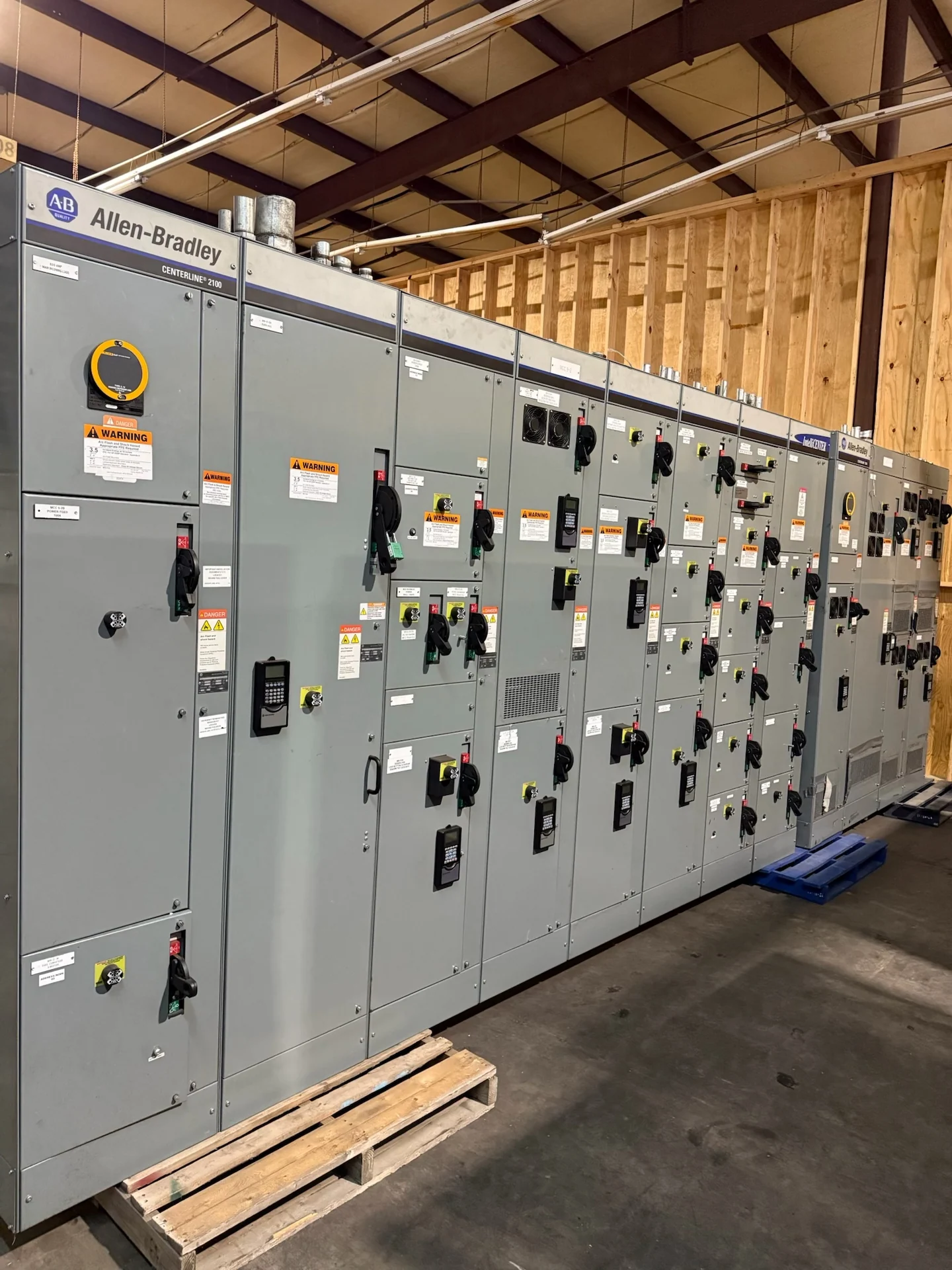
Expansion equipment has to connect physically and electrically to the facility that remains in service. Document the existing lineup dimensions, bus orientation, cable entry, conductor sizes, termination space, grounding connections, protection scheme, metering points, and control wiring that the new assembly must accommodate. Photographs can help explain conditions, but drawings and field verification by qualified personnel are more dependable for final decisions. When an extension is not appropriate, a separately arranged lineup with defined feeder and tie interfaces may offer a clearer installation path; that choice belongs in an engineering review.
Plan Space, Access, and Installation Movement
Available space is more than the footprint shown on a plan. Review working clearances, door swing, removable-device access where applicable, ventilation, overhead obstructions, cable bending room, housekeeping pads, wall penetrations, and the route from receiving to the electrical room. Measure doors, corridors, elevators, ramps, and turning areas before the equipment arrangement is finalized. A manufacturer can develop a custom layout around supplied dimensions and interfaces, while the project team confirms site conditions, anchorage, installation responsibility, and any indoor or outdoor enclosure requirements for the actual location.
Coordinate Outage Windows and Energization Steps
A facility expansion often requires new feeders to be installed near energized distribution, so the work sequence deserves early attention. Define which loads must remain available, when tie-ins can occur, who controls switching, how temporary power is addressed if needed, and what inspections or tests precede energization. The equipment inquiry should identify preferred shipping sections, field connections, control logic, and documentation needed by the electrical contractor. Switchgear Builders manufactures new custom switchgear in the United States and can review the stated sequence, but site safety procedures and outage authorization remain project responsibilities.
Specify Protection, Controls, and Documentation
New feeders should be defined with their protective purpose and operating relationship to upstream and downstream devices. Provide feeder loads, conductor information, breaker or switch preferences, trip or relay requirements where applicable, metering needs, alarm points, interlocks, remote signals, and the intended normal operating sequence. Ask for drawings that show dimensions, one-line relationships, terminal points, device identification, and control wiring so engineers and installers can review the same scope. If UL 891 or another standard is relevant, identify it in the specification and confirm its applicability, project requirements, and any listing needs for the particular assembly.
Prepare a Complete Manufacturer Inquiry
A useful request for switchgear for facility expansion should include the project location, expansion description, one-line diagram, load and fault-current information, existing-equipment drawings, room dimensions, environmental conditions, feeder schedule, control narrative, required submittals, shipping destination, and desired coordination milestones. State which values are confirmed and which remain subject to study. Switchgear Builders supplies new electrical switchgear with American components and nationwide shipping, custom to specification; project-specific availability, freight terms, design details, and transit estimates should be confirmed in the quotation rather than assumed.