Start With the Expansion Electrical Basis
Switchgear for facility expansion in Manchester, New Hampshire should begin with a defined electrical basis rather than a generic equipment request. Gather the utility service information, nominal voltage, phase and frequency, grounding method, calculated demand, available fault current, continuous current requirements, and the loads planned for the new area. Identify whether the expansion adds a new service, extends an existing distribution lineup, or creates feeders from a new section. A clear one-line diagram, load schedule, and site plan give a manufacturer the context needed to discuss new custom switchgear built to specification, including American components and nationwide shipping for the project.
Map Existing Equipment Interfaces
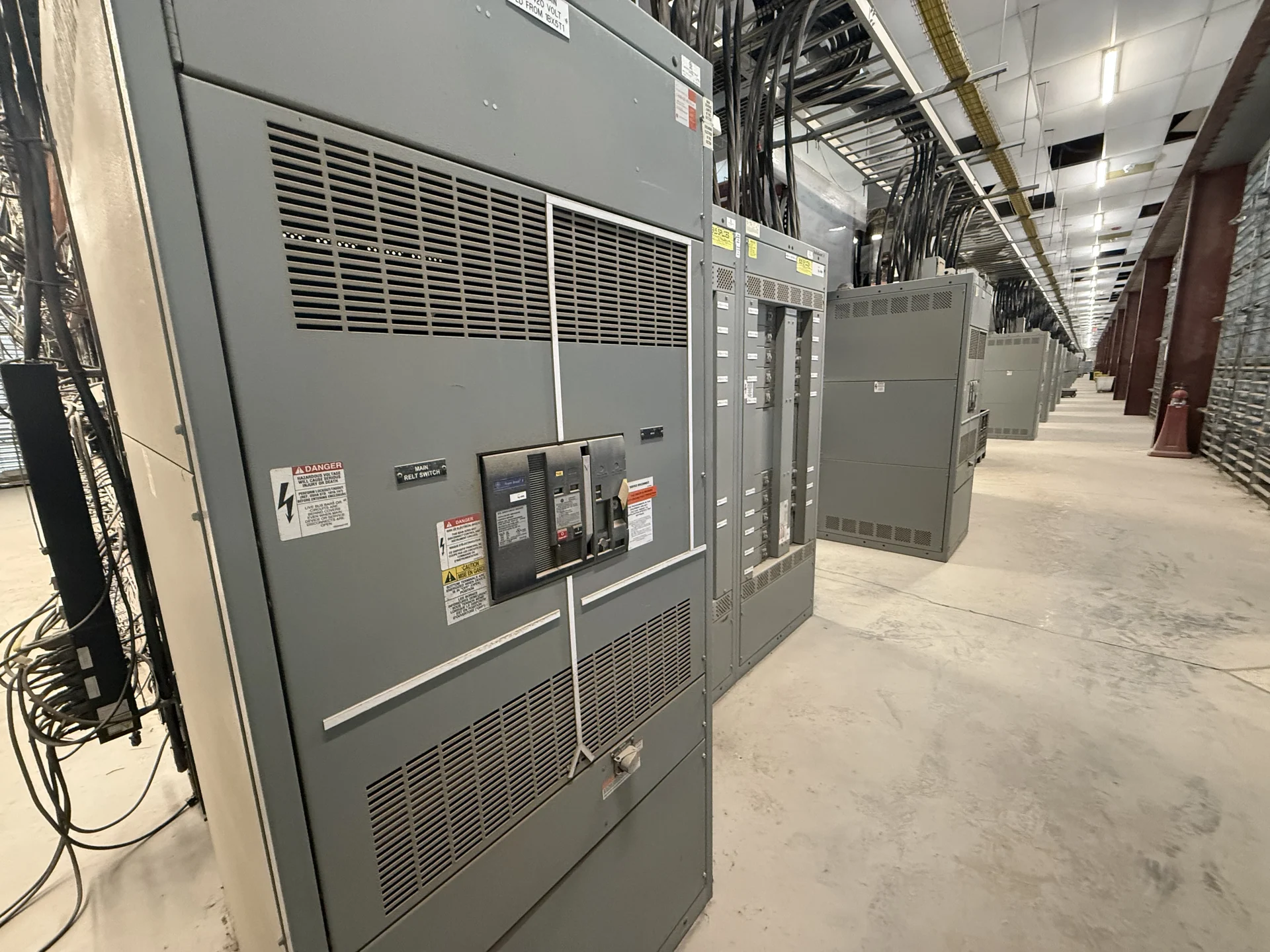
An expansion often depends on interfaces that are easy to overlook: bus connections, cable entry direction, feeder termination space, protective-device settings, control power, metering provisions, and the physical relationship between old and new lineups. Record equipment nameplates, enclosure dimensions, elevations, conduit paths, and accessible working space, then reconcile those observations with current drawings. Photographs can support an initial discussion, but field verification by qualified personnel remains important before final design. When requesting Manchester New Hampshire switchgear information, explain which interfaces must match and which can be redesigned so the proposed assembly does not rely on unverified assumptions.
Plan Load Growth and Feeder Allocation
New electrical feeders should reflect both the expansion's immediate demand and the owner's stated growth plan. Separate normal operating loads from starting, cyclic, nonlinear, emergency, or process-sensitive loads, and identify which feeders require selective coordination or a particular operating sequence. Reserve capacity should be described as a project decision, not treated as an automatic feature. A feeder schedule should show source, destination, conductor arrangement, protective device type, estimated load, and future allowance. This information helps the manufacturer evaluate the lineup layout and component selection against documented ratings, space constraints, and future feeder requirements.
Coordinate Outage Windows and Tie-In Work
Expansion work must account for when existing distribution can be interrupted and how the new equipment will be connected. Define acceptable outage windows, temporary power responsibilities, shutdown sequencing, switching authority, commissioning boundaries, and the party responsible for field installation and terminations. If a main-tie-main or other source arrangement is being considered, document the normal state, transfer conditions, interlocks, and restoration sequence for engineering review. The equipment inquiry should distinguish factory activities from site work; a manufacturer can use that boundary to prepare the equipment scope, documentation, and project-specific delivery plan.
Check Room Space, Access, and Shipping
Available space affects more than the footprint printed on a preliminary layout. Check working clearances, door swings, maintenance access, lifting and rolling paths, structural loading, ventilation, cable bending space, and the route from the receiving point to the electrical room. Confirm whether the lineup must be divided into shipping sections and how each section will be handled. For a Manchester project, provide the destination, site access limitations, receiving contact, and preferred freight assumptions when requesting nationwide shipping. These details support realistic packaging and logistics coordination while leaving site-specific rigging and code decisions to qualified project participants.
Prepare a Complete Manufacturer Inquiry
A useful inquiry for switchgear for facility expansion and new electrical feeders should include the one-line diagram, equipment schedule, available fault-current information, physical constraints, control narrative, metering needs, environmental conditions, required drawings, inspection or test expectations, and the project decision timeline. State whether specifications call for a particular construction standard or whether UL 891 applicability must be evaluated; any listing or project capability must be confirmed for the specific design. American components and project specifications guide Switchgear Builders’ manufacture of new electrical switchgear in the United States, with shipping nationwide.