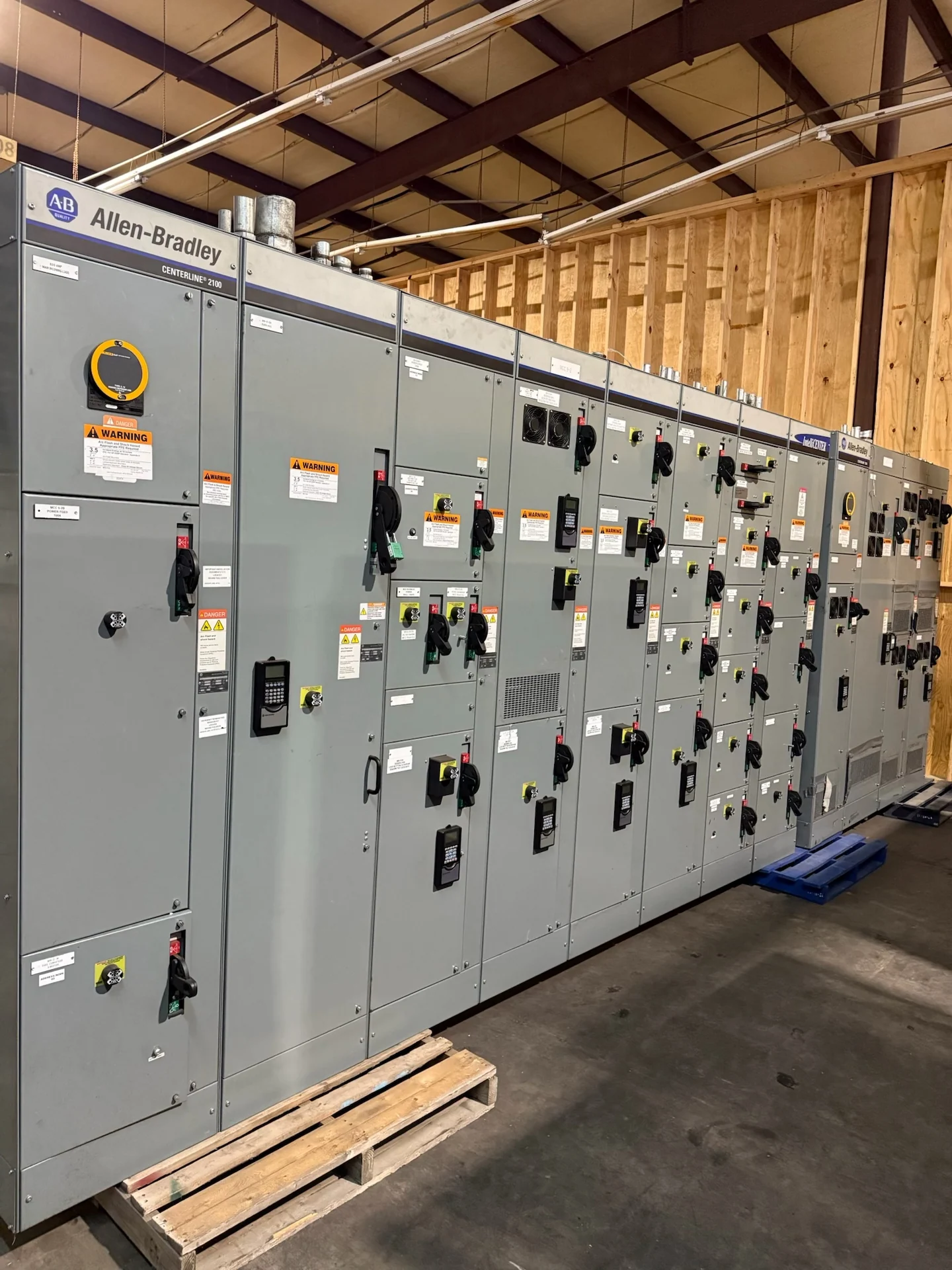
Start with the Bismarck Project's Operating Picture
A Bismarck North Dakota switchgear project should begin with the facility's actual one-line diagram, not with a generic equipment label. Identify utility sources, generators, transformers, automatic transfer switches, distribution buses, and critical facility loads in their normal operating relationships. Record nominal voltage, phase and frequency, continuous load, largest motor or other starting load, available fault current, grounding method, and anticipated load growth. For a new lineup, Switchgear Builders manufactures custom equipment in the United States, uses American components, and can coordinate nationwide shipping after the project requirements and commercial scope are defined.
Match Source Capacity to Critical Loads
Source capacity is more than the generator nameplate or service disconnect rating. Review the calculated demand for life-safety, essential, process, communications, and other critical facility loads, then consider motor starting, transformer energization, inrush, harmonic-producing equipment, and staged pickup. An automatic transfer switch may be sized for a particular feeder while the upstream switchgear must withstand the system's fault duty and support the intended distribution arrangement. Engineers should document whether loads transfer together or in groups, how much reserve is desired, and what happens when a source is unavailable or operating at reduced capacity.
Define the Transfer Sequence Before Fabrication
The transfer sequence should state what the automatic transfer switches sense, when a start signal is issued, which source is accepted, and how retransfer occurs. Include time delays, in-phase or open-transition behavior where applicable, source permissives, emergency stop inputs, bypass or isolation needs, and the response to failed source, failed start, or abnormal voltage and frequency. Coordination between transfer controls, generator controls, mains, bus ties, and protective relays prevents an attractive diagram from becoming an ambiguous operating procedure. The final sequence belongs in approved drawings and functional test criteria for the particular site.
Coordinate Protection Across the Distribution Path
Protection settings should be reviewed from the utility or generator source through mains, ties, feeder devices, transfer equipment, and downstream loads. Compare time-current behavior, interrupting ratings, short-circuit current ratings or withstand duties as applicable, ground-fault functions, and selective coordination objectives. A transfer switch can change the available fault contribution and the active protection path, especially when alternate sources have different impedances or capacities. The engineer of record and equipment manufacturer should resolve device data, sensor ranges, trip settings, and interlocks before release, while any arc-flash conclusions remain dependent on the completed study and installed configuration.
Plan Maintenance Access and Physical Interfaces
Maintenance access affects the lineup footprint, enclosure arrangement, cable entry, working space, lifting route, and the ability to isolate equipment without creating an unsafe or impractical condition. Show doors, removable sections, breaker or switch withdrawal paths where relevant, terminal compartments, control-panel access, ventilation, and the route from receiving to the electrical room. For a North Dakota project, the shipment plan should also identify destination constraints, packaging, unloading responsibility, indoor staging, and protection from weather during handling. Switchgear Builders can supply new custom equipment nationwide, but site access, rigging, installation, and field responsibilities must be assigned for the specific project.
Prepare a Precise Manufacturer Package
A useful quote request for Bismarck electrical distribution should include the one-line diagram, load schedule, source data, fault-current study inputs, transfer narrative, equipment dimensions or room constraints, cable and conduit information, metering needs, control points, communications requirements, environmental conditions, shipping destination, and requested drawings or test records. Identify which items are mandatory and which remain design options. Switchgear Builders builds new electrical switchgear custom to specification for customers buying directly from the manufacturer; project-specific component selection, applicability of UL 891, documentation, inspection, and testing requirements must be reviewed and confirmed before fabrication.