What an Automatic Transfer Switch Does
An automatic transfer switch connects a designated load to one source at a time while supervising the normal and alternate sources. When the normal source falls outside project-defined voltage or frequency limits, the controller can initiate a transfer sequence; when normal power returns, it can coordinate retransfer according to the approved operating logic. The switch itself is one part of electrical distribution equipment, so the design must identify source ratings, load categories, grounding method, neutral treatment, available fault current, and the equipment interfaces around it. Switchgear Builders manufactures new automatic transfer switch assemblies in the United States, custom to specification, with American components and nationwide shipping.
Choose the Transition Strategy Around the Load
Transition behavior determines how a connected load experiences a source change. Open transition separates the load from the first source before connecting the second, creating a momentary interruption that may be acceptable for selected loads. Closed or programmed transition concepts require a much more specific review of source synchronization, overlap limits, utility rules, and generator controls; they should not be assumed simply because a project requests automatic transfer. A specification should state whether interruption is acceptable, which loads are critical, how retransfer should occur, and what inhibit or test functions the operating sequence requires.
Coordinate Upstream Protection and Fault Duty
Automatic transfer switch selection cannot be separated from the protective devices feeding it. Engineers should provide the normal-source and alternate-source overcurrent devices, calculated available fault current at the equipment, system voltage and phase, conductor arrangement, and desired selective-coordination objectives. The transfer switch and its enclosure must be evaluated for the project-defined short-circuit duty, while upstream breakers or fuses must clear faults in a coordinated manner. Settings, time-current characteristics, grounding, and bypass arrangements can change the operating result, so the final equipment scope should follow the approved electrical study rather than a generic catalog description.
Define Controls, Sensing, and Interlocks
A useful automatic transfer switches selection begins with the control narrative, not only the ampere rating. Identify which source conditions are monitored, the pickup and dropout behavior to be specified by the engineer, generator start contacts, return-to-normal delay, engine cool-down signal, manual controls, alarm contacts, remote status points, and local test responsibilities. Interlocks should prevent an impermissible source connection, and the design should explain how maintenance, bypass, or manual operation affects those interlocks. Provide the one-line diagram, terminal schedule, control voltage, communication requirements, and sequence of operations so a custom manufacturer can resolve interfaces before fabrication.
Match the Assembly to Installation Conditions
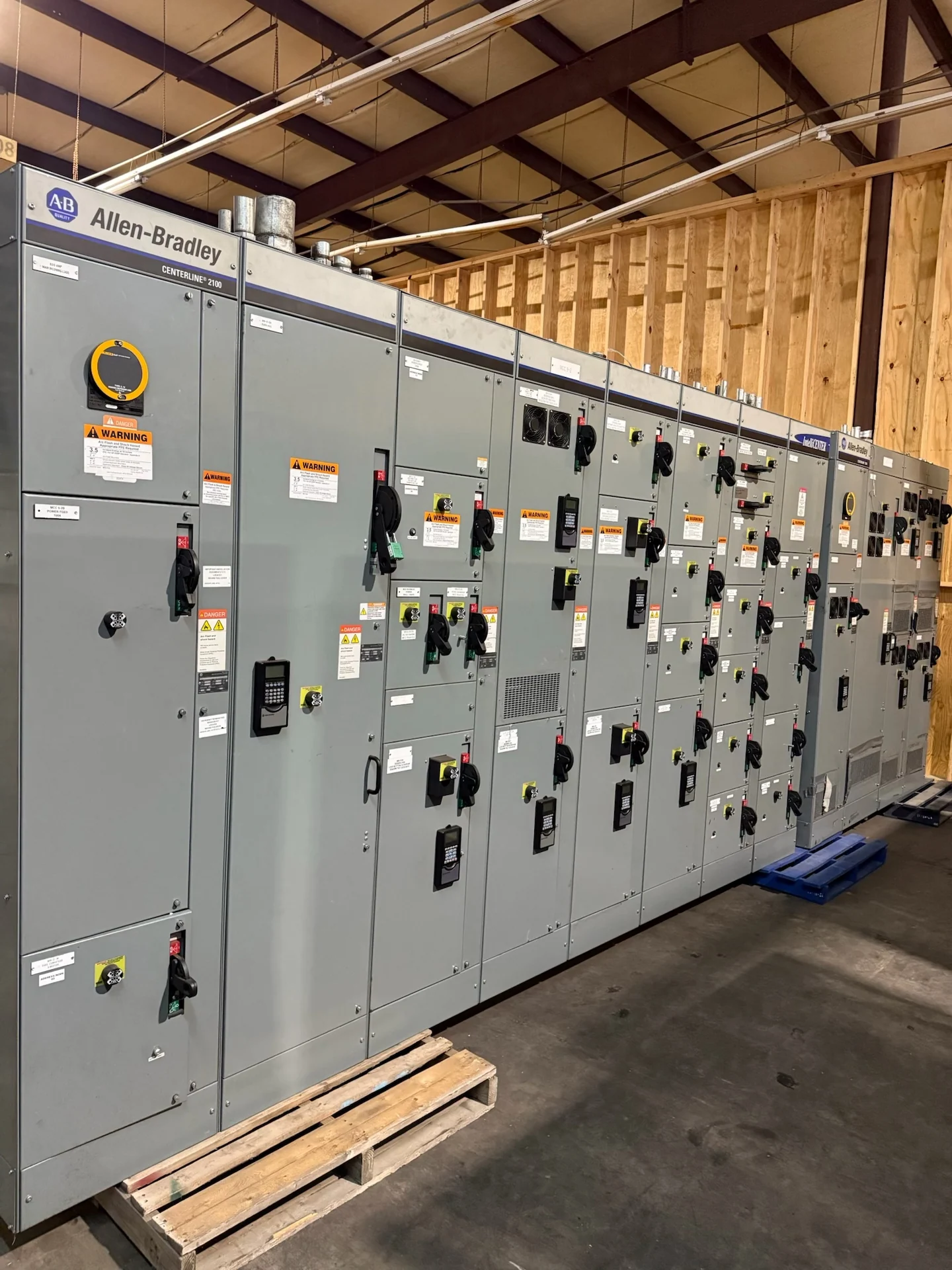
Physical and environmental details influence the transfer equipment just as much as electrical ratings. The project package should identify indoor or outdoor placement, enclosure requirements, ambient conditions, elevation when relevant, cable entry direction, available wall or lineup space, working clearances, lifting and access limitations, and the planned maintenance path. Confirm whether the automatic transfer switch is a stand-alone enclosure or part of a larger switchboard or switchgear lineup, because compartment arrangement, bus connections, metering, and service access change accordingly. Drawings should be reviewed with the electrical contractor before release so field interfaces are explicit.
Plan a Manufacturer-Built Equipment Package
A quote request for a new automatic transfer switch should include the single-line diagram, source and load information, transition requirement, protective-device data, enclosure and mounting needs, controls narrative, drawings, testing expectations, documentation list, destination, and freight access. Switchgear Builders can build new custom electrical distribution equipment around the project specification and supply it nationwide; project-specific availability, shipping details, and any requested standard or listing must be confirmed during engineering review. If UL 891 could apply to an associated switchboard assembly, its applicability and any listing requirement must be confirmed for that specific project rather than presumed from the product name.