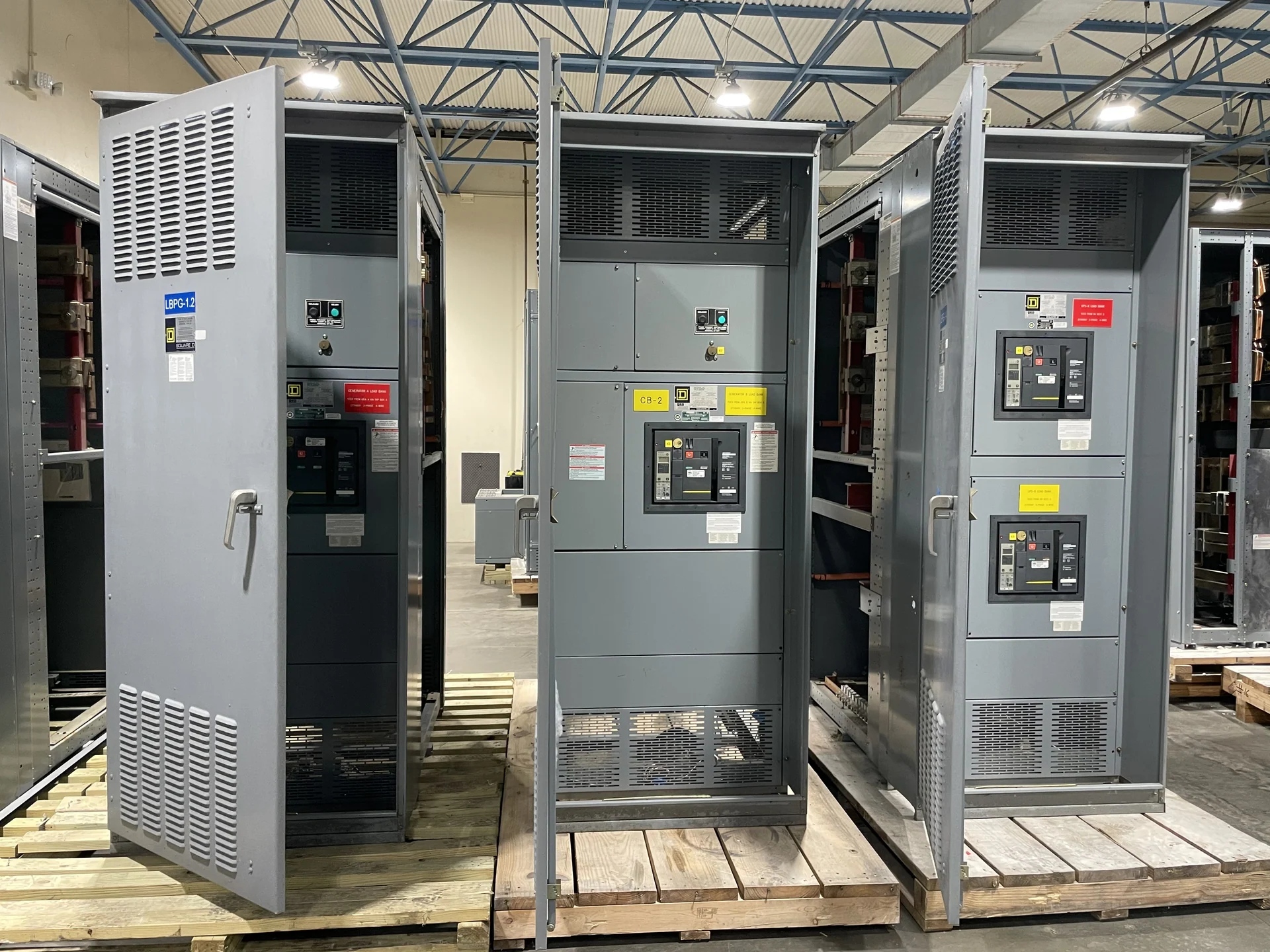
Planning Salt Lake City Outdoor Distribution
Salt Lake City electrical distribution projects can require equipment that fits an outdoor feeder layout, utility interface, and site-specific access plan. Pad-mounted switchgear may provide enclosed switching and sectionalizing near transformers, feeders, or distributed loads, but the correct arrangement depends on the one-line diagram, system voltage, continuous current, fault duty, grounding method, and operating sequence. Switchgear Builders manufactures new electrical switchgear to order in the United States, using American components and coordinating shipment nationwide. A useful inquiry should identify whether the equipment is for a new installation, an expansion, or a replacement, while leaving final selection to the project engineer and applicable authorities.
Switching Duty and Configuration
Switching duty should be defined before a pad-mounted lineup is configured. The design team should distinguish normal-load switching from fault interruption, sectionalizing, isolation, and transformer protection, because each function affects the selected devices, ratings, interlocks, and operating instructions. Provide the source and feeder arrangement, normal and alternate power paths, expected load current, available fault current, fault-clearing devices, and any manual or remote operating requirements. A Salt Lake City electrical distribution specification may also need provisions for future feeders or a defined switching sequence. The manufacturer can build the new assembly around approved project information rather than assuming a standard arrangement fits every site.
Enclosure Exposure and Site Conditions
An outdoor enclosure must be selected around the actual exposure at the installation location, not simply a city name. Confirm precipitation, solar exposure, temperature range, dust, corrosion sources, drainage, snow or ice considerations where applicable, and the possibility of standing water. The project should identify the required enclosure construction, door and hinge orientation, locking method, finish, ventilation approach, cable-compartment separation, and clearances around operating handles. These details influence service access and long-term maintainability. Environmental requirements should be documented by the specifying engineer, with enclosure and material choices reviewed against the governing project standards before fabrication begins.
Cable Entry, Foundation, and Access
Cable entry is a physical and electrical coordination issue. Before requesting a quote for pad-mounted switchgear, provide incoming and outgoing cable sizes, conductor count, phase arrangement, termination type, bend-space constraints, entry direction, grounding connections, and the relationship between the enclosure and its foundation. Confirm whether conduits arrive from below, from a side trench, or through another project-defined route. The site plan should show equipment orientation, working space, vehicle approach, delivery path, gates, obstructions, and the handling method selected by qualified personnel. Accurate dimensions and access information reduce conflicts between the manufactured lineup, civil work, and installation activities.
Engineering Documents and Review Inputs
A complete manufacturer inquiry for Salt Lake City switchgear should include the latest single-line diagram, equipment schedule, site and elevation information, protection requirements, utility or owner standards, cable data, control schematics, metering needs, and requested documentation. Ask reviewers to identify required drawings, nameplate data, wiring diagrams, bills of material, installation information, and test records before approval. If the specification references UL 891, confirm its applicability to the particular assembly and project, along with any listing or construction requirements, rather than treating the reference as universal. Coordinated review by the engineer, owner, contractor, utility, and manufacturer helps expose interface decisions early.
Ordering and Nationwide Shipment
Once the design basis is established, compare proposals using the same electrical ratings, switching functions, enclosure requirements, included devices, drawings, inspection expectations, exclusions, freight terms, and responsibility for field work. The customer buys new switchgear directly from the manufacturer, so the purchase discussion should focus on an exact equipment scope and the information needed to build it. Switchgear Builders can coordinate nationwide shipping to the Salt Lake City project destination; the inquiry should state the delivery address, receiving hours, unloading limitations, packaging or shipping-split needs, and site contact. Confirm project-specific production and transit details rather than assuming availability or a fixed schedule.