Start with the Provo project’s electrical picture
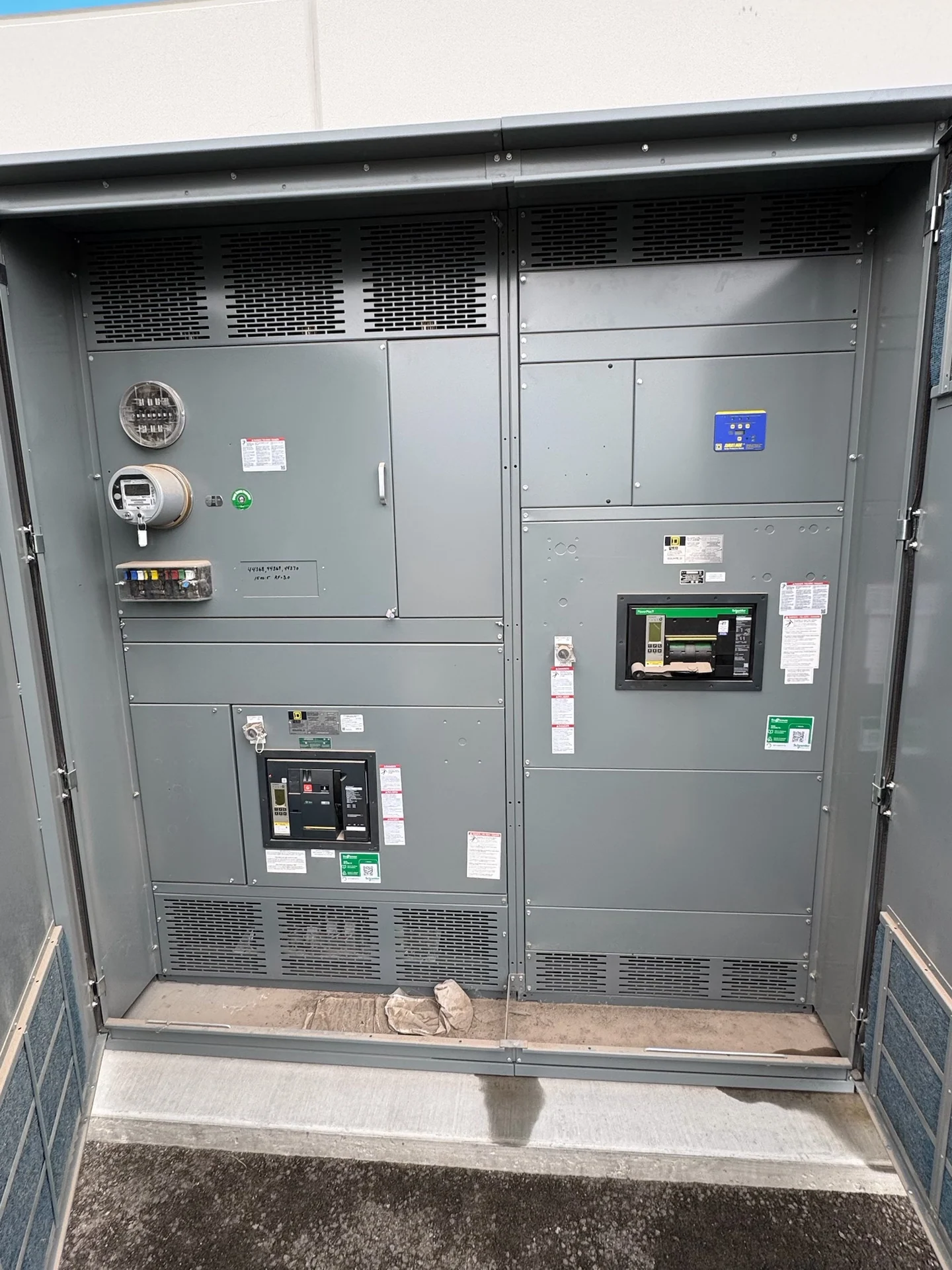
Planning Provo Utah switchgear begins with the actual distribution arrangement rather than a location label. Gather the utility service information, nominal voltage, phase and wire configuration, available fault current, calculated loads, grounding method, and the one-line diagram. Identify which feeders serve ordinary loads and which support critical facility loads. A manufacturer can then evaluate a new custom assembly around the electrical interfaces, enclosure environment, dimensions, operating sequence, and documentation required for that particular Utah site. Also note whether the service is utility-owned or customer-owned, where metering is located, and whether future feeders or source expansion affect the available space.
Coordinate automatic transfer switches with the sources
Automatic transfer switches should be considered as part of the source-and-load sequence, not as an isolated catalog choice. Define the normal source, alternate source, transfer method, retransfer behavior, source sensing, bypass or maintenance provisions if required, and the loads that may or may not tolerate an interruption. For a Provo electrical distribution project, the engineer should also establish generator or alternate-source capacity, starting characteristics, selective coordination goals, and the control signals exchanged with upstream and downstream equipment before the switchgear layout is finalized. Document alarm priorities, remote indications, permissive signals, and manual operating responsibilities so the sequence can be reviewed by the controls and commissioning teams.
Match ratings and protection to the application
Protection decisions depend on system studies and the equipment interface. Review continuous current for mains, buses, transfer paths, and feeders; interrupting or withstand duties as applicable; conductor terminations; protective-device settings; and coordination across both normal and alternate sources. Critical facility loads can include life-safety, communications, process, or operational systems, but their classification and priority must come from the project team. The new switchgear should reflect documented engineering assumptions rather than an assumed standard lineup or unverified performance claim. A coordination study may change device selections or settings, and the final design should identify who supplies study inputs, who reviews settings, and how field adjustments are recorded.
Design the physical installation around maintenance
A practical equipment package accounts for the room and the route into it. Confirm available footprint, working clearances, front and rear access, cable entry, termination space, ventilation, lifting points, floor conditions, and any environmental exposure. Maintenance access matters especially when an automatic transfer switch or protective device must be inspected while other portions of the distribution system remain in service. Provide these dimensions and responsibilities to the manufacturer, electrical engineer, contractor, and qualified installer so the custom enclosure and shipping splits support the planned installation. Consider access for test equipment, replacement components, infrared inspection, and isolation procedures, while leaving operating and safety decisions to qualified personnel and the approved site plan.
Define drawings, checks, and project acceptance
Before fabrication, agree on the drawing set and review gates: one-line diagram, elevations, enclosure details, device schedules, terminal plans, control schematics, nameplate information, and connection points. Establish which continuity, insulation, wiring, mechanical, and functional checks are appropriate, along with acceptance criteria and records. If the specification references UL 891, confirm its applicability to the particular assembly and determine any project-specific listing or verification requirements; never treat the reference as a blanket qualification for every configuration. Keep revisions traceable so comments on source behavior, terminal numbers, and device settings are resolved before release for fabrication and installation.
Request a manufacturer-built equipment package
Switchgear Builders manufactures new electrical switchgear in the United States, builds custom equipment to specification, uses American components, and ships nationwide. A useful inquiry should include the site state and city, service data, one-line diagram, load schedule, transfer sequence, dimensions, environmental conditions, required devices, testing expectations, documentation, delivery destination, and installation responsibilities. These inputs support a project-specific quotation and technical review; confirm component availability, pricing, schedule, and responsibilities as the scope develops. Include the preferred freight contact, receiving hours, unloading equipment, indoor route limitations, and any need to divide the lineup into transportable sections.