Plan the Wisconsin Motor Control Center Around the Process
A Wisconsin industrial distribution project should begin with the process duty rather than a catalog label. Pumps may need dependable starting and stopping sequences, conveyors can impose repeated acceleration and braking cycles, and process loads may require coordinated interlocks or permissives. Define the motor list, connected and calculated loads, voltage, phase, frequency, available fault current, environmental conditions, and expected operating sequence. A new motor control center can then be arranged around the actual lineup, feeder allocation, maintenance access, and control interfaces instead of forcing the facility into a generic arrangement. Switchgear Builders manufactures custom new electrical equipment in the United States, with American components and nationwide shipping, subject to project scope and confirmation of the required details.
Choose Starters, Drives, and Protection by Load Behavior
Starter and drive choices should follow how each Wisconsin load behaves electrically and mechanically. An across-the-line starter may suit a motor with acceptable inrush and a straightforward run command, while a variable frequency drive can be considered when speed control, ramping, or process regulation matters. Motor protection still needs deliberate definition: identify overload requirements, short-circuit protection, phase-loss concerns, grounding method, and coordination with upstream devices. Drives also introduce heat, harmonic, bypass, shielding, and control questions that affect enclosure layout and feeder planning. The final selection belongs in the equipment specification and engineering review, not in an assumed default configuration.
Coordinate the Control Interface Before Fabrication
Control integration is often where a motor control center succeeds or fails in the field. Provide the intended source of control power, start and stop logic, local-versus-remote selection, fault indication, run status, permissives, emergency-stop relationships, and signals exchanged with a PLC or building system. For pumps, confirm level, pressure, flow, and lead-lag logic as applicable; for conveyors, document sequencing, jam detection, and upstream or downstream permissives. Identify terminal locations, communication expectations, wire numbering, and separation between power and control circuits. Clear interface drawings let the manufacturer, controls engineer, electrician, and commissioning team resolve responsibilities before a custom lineup is built.
Account for Wisconsin Site and Installation Conditions
A Wisconsin project may involve an indoor electrical room, a process area, or an outdoor installation, and each setting changes the equipment conversation. Confirm enclosure requirements, ambient temperature range, moisture or washdown exposure, corrosive agents, elevation, ventilation, working clearances, cable-entry direction, and the route from receiving to the final room. Seasonal conditions can also influence packaging, protected storage, unloading, and rigging coordination. Give the manufacturer room dimensions, access restrictions, foundation or housekeeping-pad information, lifting limitations, and installation responsibilities so the proposed motor control center can be checked against real site constraints.
Prepare a Useful Wisconsin Switchgear Inquiry
A complete inquiry for Wisconsin switchgear should include the one-line diagram, motor schedule, load calculations, equipment schedule, control schematics, floor plan, cable information, fault-current data, and applicable owner or engineer specifications. State whether the lineup is for pumps, conveyors, mixed process loads, or a planned expansion, and identify spare spaces, future feeders, metering, communications, and bypass needs. Ask for the proposed dimensions, component data, drawings, test documentation, shipping sections, and commercial inclusions or exclusions. A direct manufacturer quote becomes easier to compare when every bidder receives the same technical basis and when unresolved assumptions are listed for review.
Coordinate Manufacturing, Shipping, and Field Work
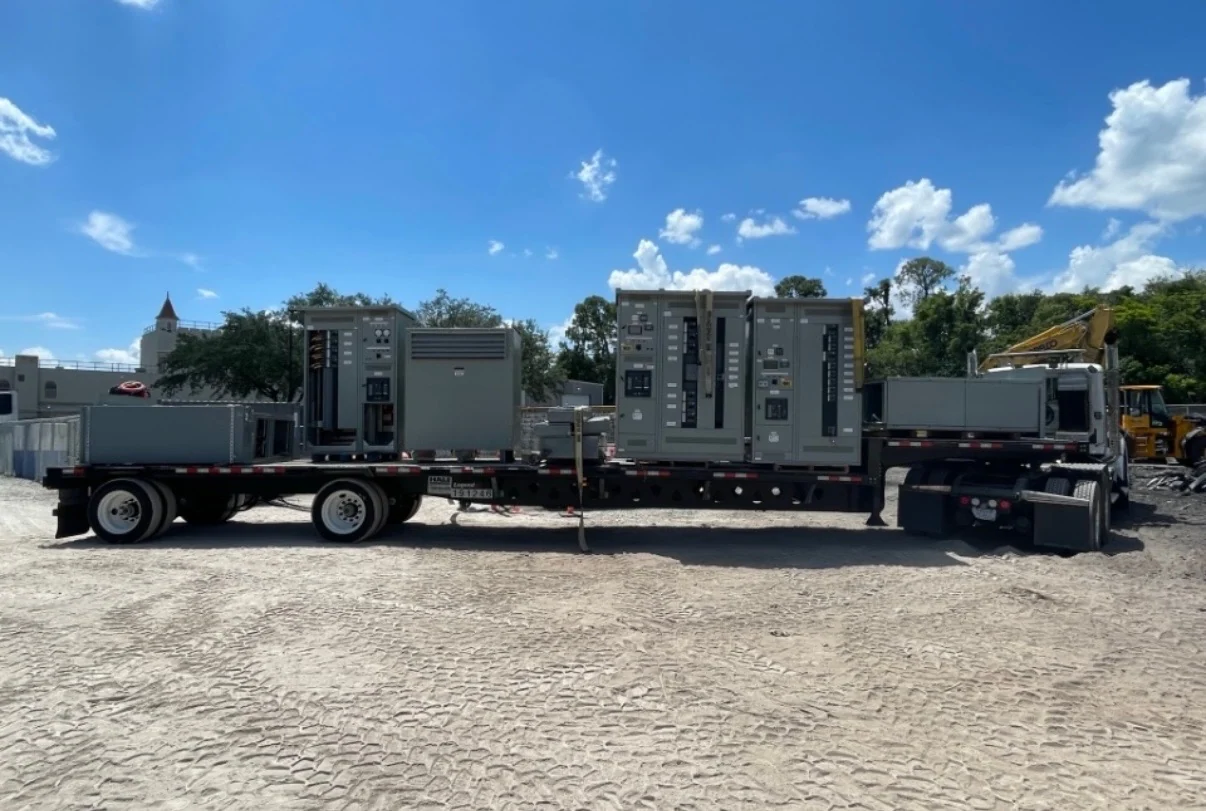
Once the configuration is defined, coordinate drawing review, component confirmation, inspection requirements, packaging, freight destination, receiving access, and field installation boundaries. Switchgear Builders manufactures new custom electrical switchgear in the United States using American components and supports nationwide shipping; confirm project-specific manufacturing, service, and delivery details in the quote and approved documents. The Wisconsin owner or contractor should also assign responsibility for anchoring, feeder termination, control wiring, startup checks, programming, and any site testing. Keeping these handoffs visible reduces surprises when the equipment reaches the jobsite.