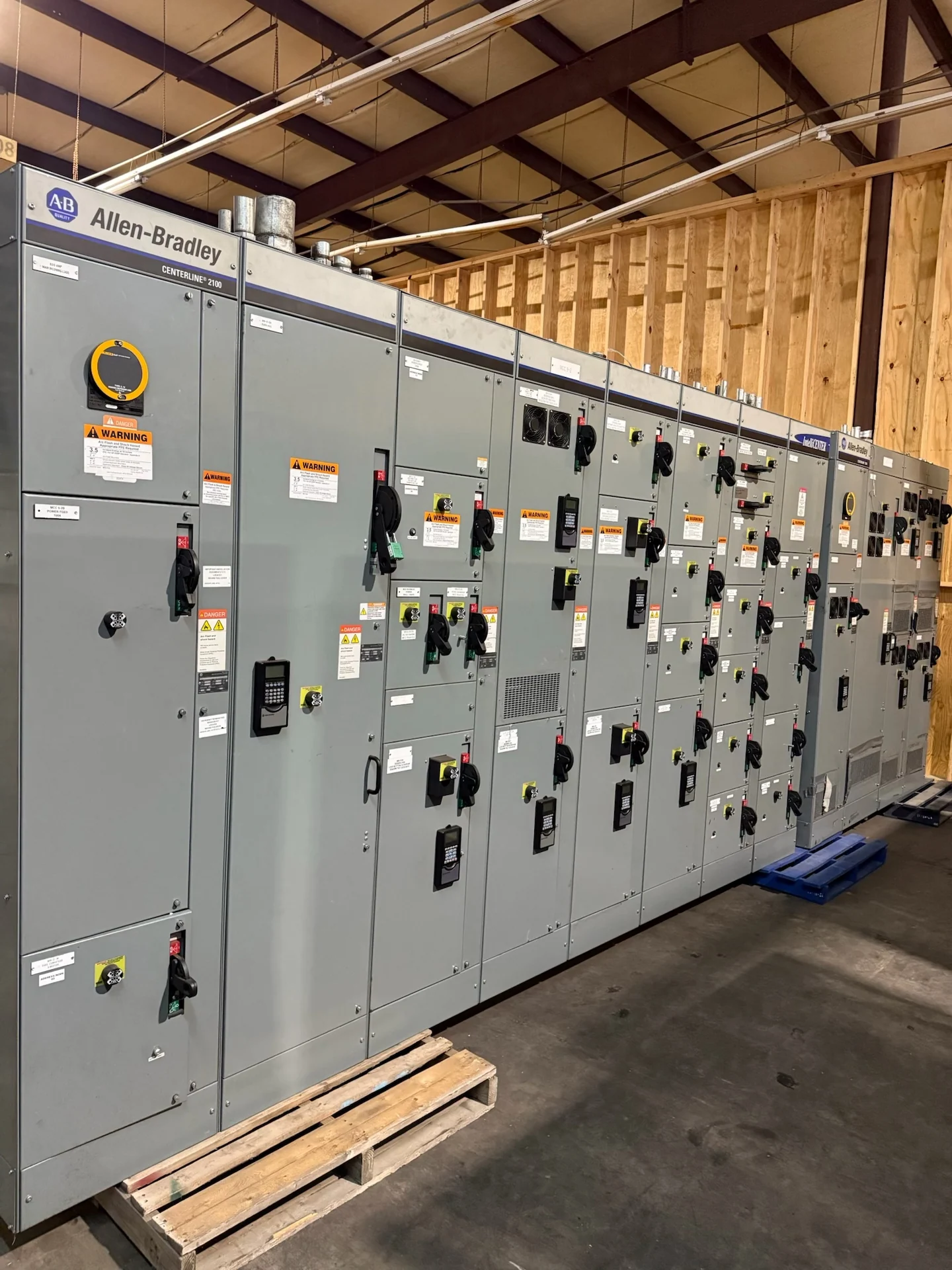
Grounding Definition in an Electrical System
Grounding is the intentional connection of an electrical system, equipment, or conductive point to earth or to a designated grounding reference. That connection gives fault current, static charge, lightning effects, and other unwanted electrical energy a defined path when the design calls for one. In a distribution system, grounding is not simply a wire attached somewhere on a switchgear enclosure; it is a coordinated part of the source, transformer, feeder, enclosure, and protective-device design. A useful grounding definition therefore identifies what is connected, where the connection terminates, and which operating or fault condition the connection is intended to address.
Grounding Versus Bonding
Grounding and bonding are related but different concepts. Grounding connects a system or conductive body to earth or a grounding reference, while bonding joins conductive parts together so they remain at substantially the same electrical potential and can share an intended fault-current path. A metal switchgear enclosure may be bonded to its internal ground bus, and that bus may connect to the facility grounding electrode system; those steps serve different purposes. Confusing the terms can produce incomplete drawings, misplaced conductors, or a specification that does not clearly define source grounding, equipment bonding, and the interfaces installers must complete in the field.
Where Grounding Appears in Switchgear
In new switchgear, grounding decisions can affect the incoming source, bus arrangement, feeder terminations, enclosure, instrument transformers, cable shields, and control circuits. The one-line diagram should show the system grounding method and relevant source connections, while equipment drawings should identify the grounding bus, bonding points, ground pads, and cable-entry details where applicable. A custom manufacturer-built assembly is planned from these inputs rather than from a generic label. Engineers and installers should also coordinate grounding electrode conductors, utility requirements, transformer connections, and site grounding work because those items may fall outside the equipment package.
Why the Grounding Method Matters
The selected grounding method influences fault behavior, protective-device coordination, insulation stress, and the information required for equipment ratings. Depending on the system, a design may use a solidly grounded, resistance-grounded, or another project-defined arrangement; the correct choice depends on the source, voltage, loads, fault study, operating objectives, and governing requirements. It should not be inferred from the enclosure style or from a nominal voltage alone. Before a switchgear quote is prepared, provide the system single-line diagram, available fault current, grounding design, phase and wire configuration, and any study assumptions that affect the assembly.
Grounding Inputs for a New Switchgear Quote
A customer requesting new switchgear from an American manufacturer can make the review more useful by supplying the source transformer information, system voltage and frequency, phase arrangement, grounding method, short-circuit data, protective-device schedule, cable sizes, enclosure location, and required connection points. Include drawings showing the existing or planned grounding electrode system when the equipment interfaces with it, along with utility or engineer notes about neutral treatment and metering. Switchgear Builders manufactures custom equipment to specification, uses American components, and ships nationwide; final grounding details remain subject to the project engineer, applicable requirements, and approved equipment drawings.
Review and Verification Before Energization
Grounding should be checked at several stages: design review, drawing approval, assembly inspection, installation, and commissioning. Confirm that the grounding bus and bonding paths match the approved drawings, that field conductors terminate at the intended points, that removable sections maintain the required continuity, and that cable shields or control references are handled as specified. Testing and acceptance criteria should be defined for the project rather than assumed from a glossary term. A qualified electrical professional must verify the installed system, protection settings, and local requirements before energization; grounding language alone is not a performance guarantee.