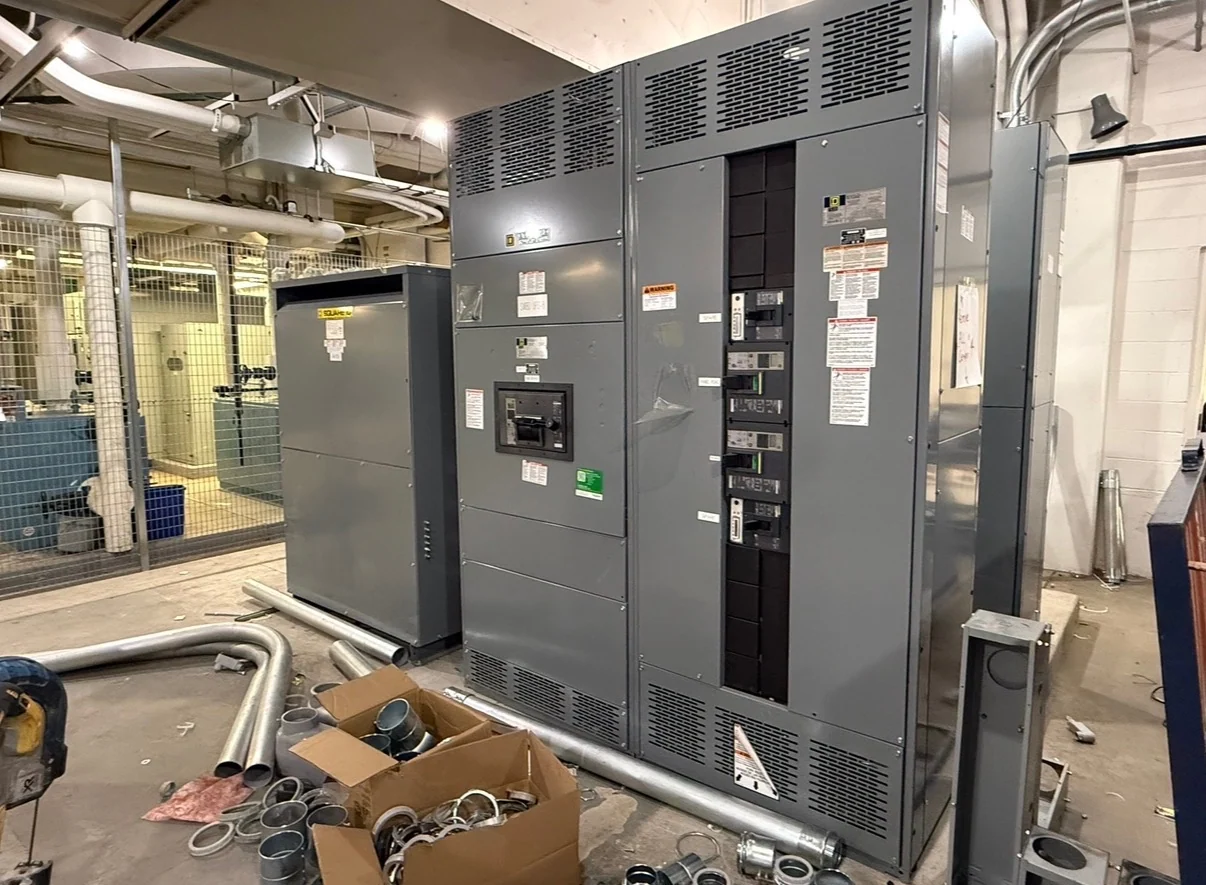
Nominal Voltage Definition
Nominal voltage is the designated system voltage used to describe an electrical system, distribution circuit, source, or load. It is a convenient name for the system’s intended voltage class rather than a promise that a meter will read that exact value at every moment. Actual voltage varies with source conditions, conductor impedance, load changes, transformer taps, and operating conditions. For switchgear planning, the nominal voltage definition establishes a starting point for selecting equipment voltage class, insulation requirements, clearances, protective devices, and compatible accessories. A complete specification still needs measured or engineered operating information, phase arrangement, frequency, grounding method, and applicable project requirements.
Nominal Voltage Versus Measured Voltage
Measured voltage is the value observed between defined conductors at a particular location and time; nominal voltage is the system label that organizes design and equipment selection. A system described by a nominal value can show readings above or below that label while remaining within the operating range established by the engineer, utility, or governing project documents. The distinction matters when reviewing drawings and requesting new switchgear: provide the nominal system voltage, expected operating range when known, source characteristics, and any transformer information instead of treating one field measurement as the entire electrical specification. For example, a nominal label can remain constant while voltage drop increases on a long feeder or while a transformer connection changes the measured relationship between primary and secondary conductors. Recording where and how a reading was taken makes later design review more useful.
Why Nominal Voltage Matters in Switchgear
A nominal voltage designation helps a manufacturer interpret the electrical environment in which a new switchgear assembly will connect. It influences the equipment voltage class, phase and wire configuration, insulation coordination, conductor spacing, device selection, and interfaces with transformers, generators, utility service, or downstream distribution. It does not by itself determine continuous-current rating, interrupting rating, short-circuit withstand, enclosure type, or protective settings. Those choices require additional engineering inputs. A clear inquiry should identify nominal voltage alongside available fault current, load calculations, system grounding, frequency, elevation or environmental conditions, one-line diagrams, and physical constraints. It also helps separate electrical compatibility from capacity: two assemblies may share a nominal voltage while requiring very different bus sizes, feeder arrangements, device settings, or enclosure dimensions. The responsible engineer should establish those independent requirements.
Common Voltage Labels and Their Limits
Voltage labels such as 120/208 V, 120/240 V, or 277/480 V communicate more than a single number because the pair can indicate relationships among phase-to-neutral and phase-to-phase voltages in a particular system arrangement. Medium-voltage designations likewise identify a voltage class but do not substitute for the actual system configuration, grounding, insulation level, or required switching duty. For each label, confirm whether the value is line-to-line or line-to-neutral, whether the source is single-phase or three-phase, and which nominal designation governs the equipment connection.
Specifying Nominal Voltage for a Custom Build
When requesting custom switchgear from an American manufacturer, include the nominal voltage exactly as shown in the project documents and identify the source and load interfaces it applies to. Add transformer ratios, utility requirements, generator or inverter information, frequency, phase sequence, grounding method, conductor entry, and the intended protective-device arrangement when available. If documents disagree, flag the discrepancy before fabrication so the design team can resolve it. Switchgear Builders manufactures new electrical switchgear to specification with American components and can coordinate a quote around the submitted engineering information, project requirements, and nationwide shipping destination.
Review Questions Before Approval
Before approving a switchgear design, ask which nominal voltage applies at each bus and feeder, whether the equipment voltage class matches the system, and whether all connected sources have been considered. Confirm phase, wires, frequency, grounding, transformer interfaces, fault-duty data, metering needs, and physical clearances with the responsible electrical engineer. Also identify whether UL 891 is applicable to the particular assembly and, if so, what project-specific listing or construction requirements must be confirmed. These checks prevent a familiar voltage label from hiding an incompatible connection or incomplete specification. Document the answer in the equipment schedule and single-line diagram, including any separate nominal voltages on different sections of the lineup. That record gives the manufacturer and installation team a common reference during submittal review and field coordination.