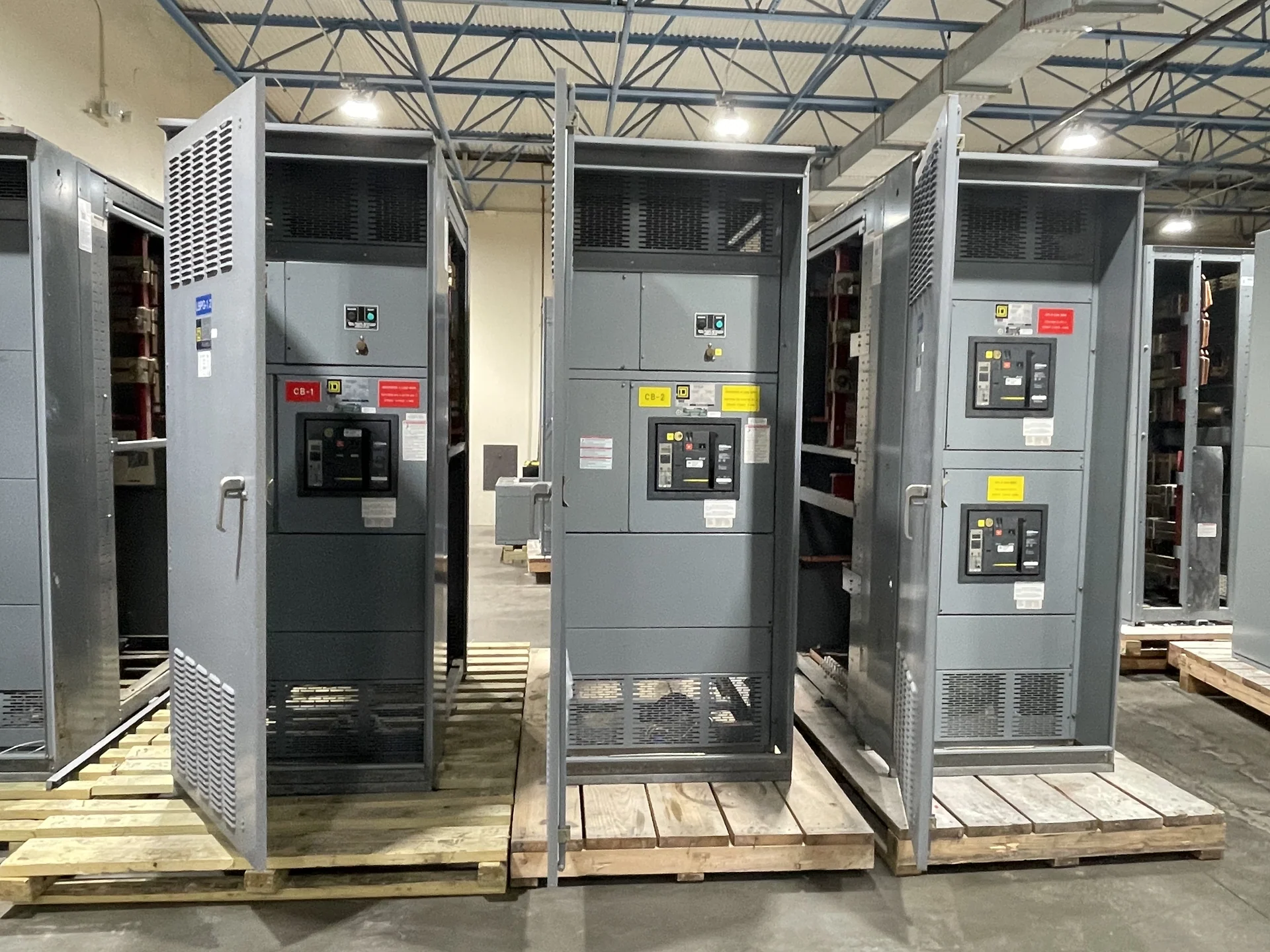
Buy Direct From the Manufacturer
A search for a switchgear equipment distributor often reflects a practical need: identify a dependable path to new electrical equipment while keeping technical scope and commercial responsibility clear. Switchgear Builders manufactures, builds, and supplies new switchgear in the United States, custom to project requirements, with American components and nationwide shipping. Buying new switchgear direct means the customer discusses the one-line diagram, ratings, enclosure, controls, documentation, and destination with the manufacturer rather than relying on a generic catalog description. That direct conversation helps determine which requirements are defined, which remain open, and what must be confirmed before a quotation can be prepared.
Define the Equipment Before Requesting a Quote
A useful inquiry should identify the electrical function and the physical arrangement, not merely say that a replacement lineup or distribution assembly is needed. Send the applicable one-line diagram, nominal voltage, frequency, phase and wire configuration, continuous current requirements, available fault current, grounding method, main and feeder devices, bus arrangement, and desired control sequence. Add indoor or outdoor installation conditions, enclosure expectations, dimensions or access limits, cable entry direction, metering provisions, and any required shipping splits. If the project involves a main-tie-main arrangement, source transfer, generator interface, or special interlocks, describe the intended operating sequence so engineering questions surface early.
Compare Manufacturer Quotes on Equal Scope
Comparing electrical switchgear quotes is meaningful only when each response addresses the same technical boundaries. Review the equipment type, voltage class, continuous current, short-circuit or withstand duty as applicable, protective device scope, bus material, enclosure construction, control power, metering, terminals, and included accessories. Then compare drawing milestones, submittal expectations, inspection or test documentation, packaging, freight assumptions, and exclusions. A lower apparent price may reflect omitted controls, engineering documents, factory checks, or shipping responsibilities rather than a like-for-like offer. Ask the manufacturer to identify assumptions and unresolved selections in writing, and have the specifying engineer evaluate technical equivalence before an order is authorized.
Plan Drawings, Reviews, and Documentation
Direct procurement works best when the documentation package is treated as part of the equipment scope. Establish which drawings are needed for review, such as a one-line diagram, elevation, plan view, wiring or schematic information, device schedules, terminal details, and nameplate data. Identify who will approve submittals and how comments will be consolidated, because conflicting revisions can change device placement, cable space, or control logic. Request records that are relevant to the agreed project requirements, including inspection results or electrical test documentation when specified. If UL 891 may apply to the assembly, confirm its applicability, construction requirements, and any project-specific listing or capability before relying on it.
Coordinate Shipping and Site Receipt
Nationwide shipping does not eliminate the need for a detailed receiving plan. Provide the destination, delivery restrictions, dock or crane information, site contact, preferred shipment divisions, and any limits on equipment weight or dimensions. Confirm packaging expectations, lifting points, orientation, freight terms, and responsibility for unloading and movement from the receiving area to the electrical room. The installer should compare the shipping plan with the doorway, route, foundation, housekeeping pad, working clearances, and cable-entry arrangement before fabrication is finalized. On receipt, qualified personnel should inspect packaging and equipment against the shipping documents and record visible discrepancies for prompt project coordination.
Keep Project Support Responsibilities Clear
A manufacturer-direct purchase still involves several parties, so define responsibilities rather than assuming the word distributor covers every service. The customer, electrical engineer, contractor, site team, utility, and manufacturer may each own different decisions involving studies, field measurements, permits, installation, settings, energization, and commissioning. Ask what technical information the manufacturer needs, what documents are included, how questions are routed during review, and which activities remain with the engineer or installer. Provide the project location and requested commercial terms when seeking a quote, then confirm the proposed scope, delivery estimate, shipping basis, documentation, and any open technical items in the final purchasing record.