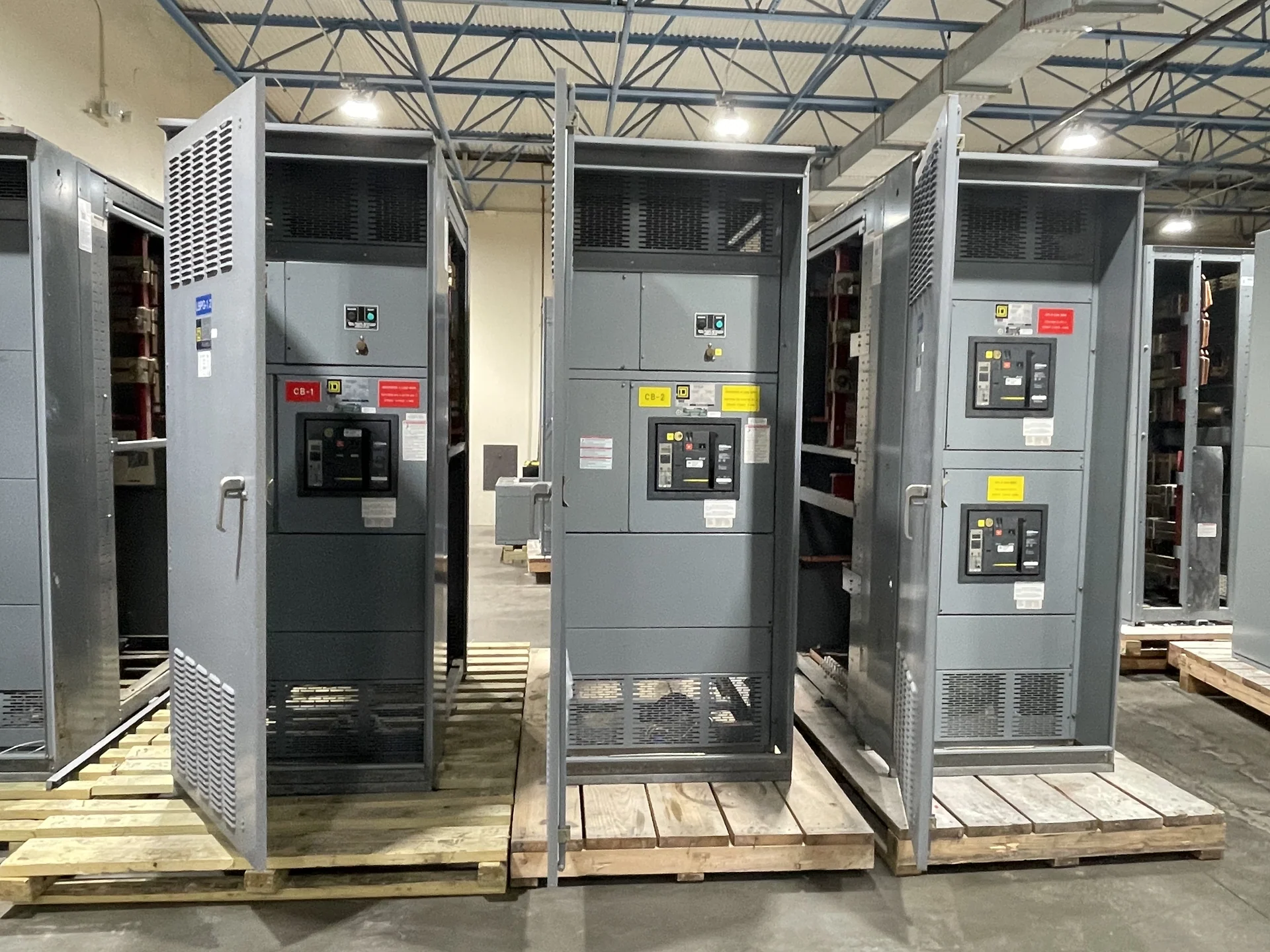
What a Nearby Supplier Search Should Establish
Searching for switchgear suppliers near me is usually a request for practical coordination, not merely a map result. A buyer needs a manufacturer that can interpret the one-line diagram, build new equipment to the project specification, communicate through submittal review, and arrange shipment to the installation site. Switchgear Builders builds new electrical switchgear to project specifications in the United States, using American components and shipping nationwide. That manufacturer relationship can serve a project even when the buyer does not have a supplier office in the same city. Ask first whether the proposed source can address the electrical scope, physical interfaces, documentation, and destination requirements in one coordinated inquiry.
Confirm Manufacturer Scope Before Comparing Sources
A local switchgear supplier search can mix manufacturers, distributors, contractors, and service firms whose roles are not interchangeable. For a new equipment purchase, confirm who is responsible for engineering the assembly, selecting compatible devices, fabricating the enclosure, integrating bus and control wiring, inspecting the build, and supplying project records. Request a clear description of what is included in the manufacturer's scope rather than relying on a broad product label. The equipment type, voltage class, continuous current, available fault current, source arrangement, feeder count, enclosure environment, and intended installation location should all be reviewed by qualified project professionals before a quote is compared.
Location and Delivery Questions to Ask
When evaluating a new switchgear manufacturer, separate manufacturing location from shipping coverage and from installation responsibility. Ask where the equipment for the specific project will be manufactured, which components are included, how the lineup will be divided for transport, and what destination information is needed to plan freight. Provide the full U.S. delivery address, receiving hours, dock or curb conditions, site access limits, unloading responsibility, and any lifting or rigging constraints. Nationwide shipping does not remove the need for a receiving plan: large electrical assemblies may require coordinated handling, protected storage, inspection for transit damage, and prompt notification of discrepancies under the agreed shipping terms.
Prepare a Useful Quote Request
A detailed request helps the manufacturer respond to the electrical and physical requirements of the project. Include the latest single-line diagram, load schedule, system frequency and phase, wire configuration, grounding method, nominal and equipment voltage, current ratings, short-circuit information, protective device preferences, metering, controls, communications, dimensions, cable entry, and indoor or outdoor conditions. Add the required shipping destination, target installation sequence, drawing review process, and documentation list. If a specification references UL 891, identify that clause for project review; applicability and any listing or capability must be confirmed for the specific assembly rather than assumed from the search result.
Evaluate Technical Fit and Project Communication
Distance should be judged against the quality of technical coordination, not treated as the only selection criterion. Compare responses for how clearly they address exceptions, assumptions, exclusions, device data, layout constraints, interlocks, grounding, testing, and field interfaces. Ask who will resolve questions when the engineer revises a feeder, when an installer identifies a clearance issue, or when the receiving site changes its access plan. Discuss these project inputs with the manufacturer and confirm contacts, component availability, and delivery expectations in the quotation. Keep the engineer of record, electrical contractor, owner, and manufacturer aligned on approval responsibility and final design decisions.
Plan Purchase, Shipment, and Receiving
Once a manufacturer is selected, turn the inquiry into a controlled purchase package. Confirm the final scope, approved drawings, nameplate information, device quantities, shipping splits, packaging expectations, freight terms, delivery contact, and records supplied with the new switchgear. Coordinate the equipment footprint and movement path with the site before shipment, including doors, corridors, floor loading, staging, and lifting points. On arrival, qualified personnel should compare the shipment against the packing documentation, examine enclosures and accessories, preserve records, and route technical questions through the project team. These steps make nationwide delivery workable without depending on an assumed nearby branch or installer.