What Makes a Switchgear Supplier a Good Fit
The best electrical switchgear supplier is not necessarily the company with the broadest catalog or the most prominent advertisement. A sound choice begins with a manufacturer that can understand the one-line diagram, confirm the intended equipment type, and translate electrical, mechanical, environmental, and installation requirements into a defined new assembly. Look for a supplier willing to identify assumptions, ask focused questions, and separate confirmed project information from items that still require engineering review. Switchgear Builders manufactures new electrical switchgear in the United States, builds equipment custom to specification, uses American components, and ships nationwide. Evaluate the proposed equipment and services against the actual project scope and technical requirements.
Verify Qualifications Without Assuming Credentials
Supplier evaluation should rely on evidence relevant to the proposed equipment, not vague claims of expertise. Ask what drawings, component data, manufacturing information, inspection records, and project references can be provided for review, while recognizing that every project has its own requirements. Confirm who will coordinate questions about ratings, protective devices, controls, bus arrangements, enclosure conditions, and installation interfaces. If a specification mentions UL 891, determine whether that standard applies to the particular assembly and ask for project-specific confirmation of any applicable listing or capability; do not infer blanket certification from a general company description. A careful qualification process helps engineers and procurement teams compare substantiated scope instead of unsupported labels.
Match the Equipment to the Electrical System
A supplier can only quote accurately when the electrical basis is sufficiently clear. Provide the system voltage, frequency, phase and wire configuration, grounding method, continuous current requirements, available fault current, interrupting duties, feeder count, source arrangement, and protective-device expectations when known. Include the one-line diagram, load information, control sequences, metering needs, enclosure environment, dimensions, cable entry direction, and working-clearance constraints. These inputs allow the manufacturer to distinguish a standard arrangement from a genuinely custom build and to identify conflicts before fabrication. Where information is incomplete, label it as preliminary and have the design team confirm it; a low initial price is not useful if critical assumptions later change the assembly.
Compare Quotes on Scope, Not Just Price
When comparing new electrical switchgear quotes, place each offer into a common checklist. Review the stated equipment configuration, main and feeder devices, bus material, enclosure construction, control power, metering, interlocks, terminals, drawings, inspection points, testing, packaging, freight terms, exclusions, and taxes or other commercial conditions. Ask whether the quoted design includes the accessories and documentation needed by the engineer, installer, owner, and authority reviewing the project. A lower number may reflect omitted components, unresolved design responsibility, or different shipping assumptions rather than a more efficient solution. Written clarifications make supplier comparisons fairer and give the project team a record of what the manufacturer is expected to build and supply.
Assess Communication and Documentation
Project communication is a technical selection criterion because switchgear interfaces with drawings, feeders, controls, rooms, foundations, cable systems, and operating procedures. Before placing an order, establish how questions will be logged, which drawings require approval, how revisions will be identified, and what information must be supplied by the customer or installing contractor. A useful documentation package may include a one-line representation, general arrangement, device schedule, terminal information, control schematic, nameplate data, and project-defined test records, but the exact list should be agreed for the job. Clear ownership of each deliverable reduces late surprises and helps the field team receive equipment that aligns with the approved design.
Plan Delivery and Receiving Responsibilities
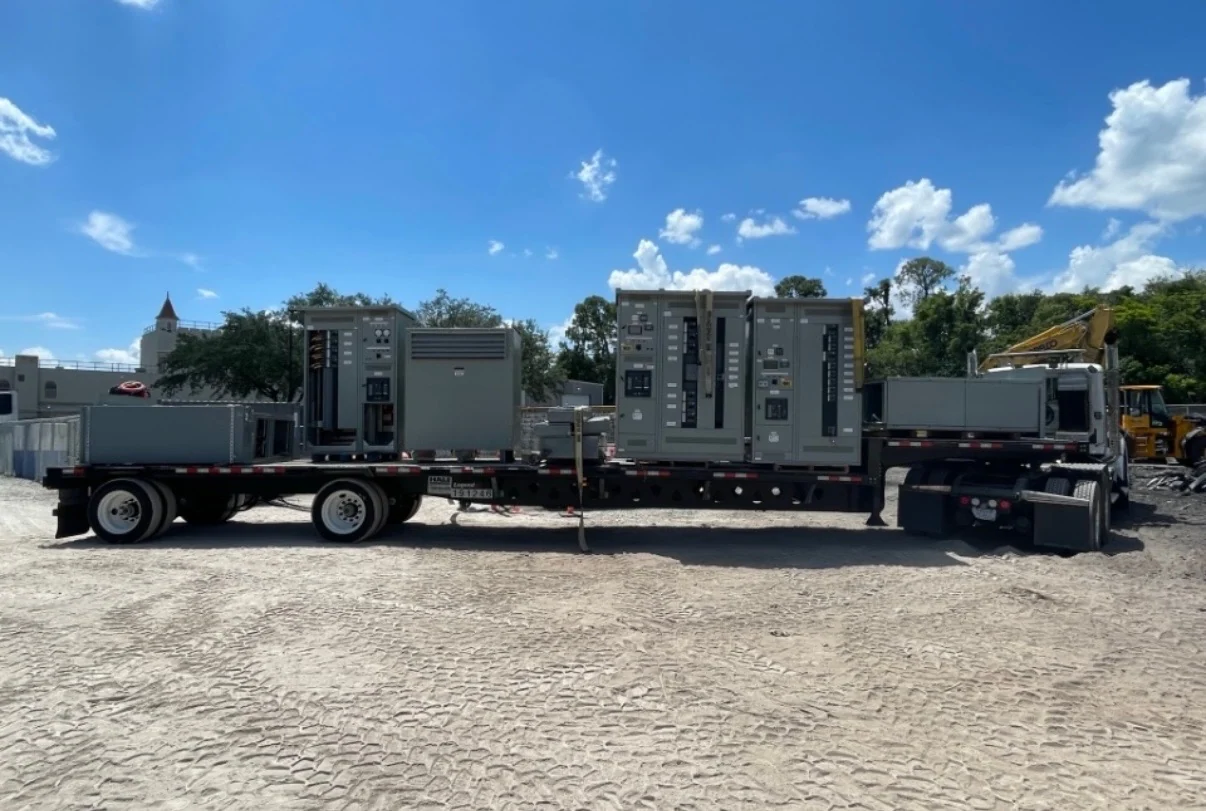
Nationwide shipping does not remove the need for project-specific logistics planning. Tell the manufacturer the delivery state, site access limitations, unloading equipment, receiving hours, indoor or outdoor storage conditions, shipping splits, approximate weights, lifting provisions, and any sequence required for installation. Coordinate freight terms and damage-reporting procedures in writing, and verify that the receiving team can inspect crates, identify sections, preserve documentation, and move the assembly safely. Delivery estimates, packaging details, and shipment timing must be confirmed for the particular order rather than assumed from a general supplier statement. Discussing these interfaces early helps the buyer plan procurement and clarify project-specific delivery expectations.