Start With the Existing Distribution Record
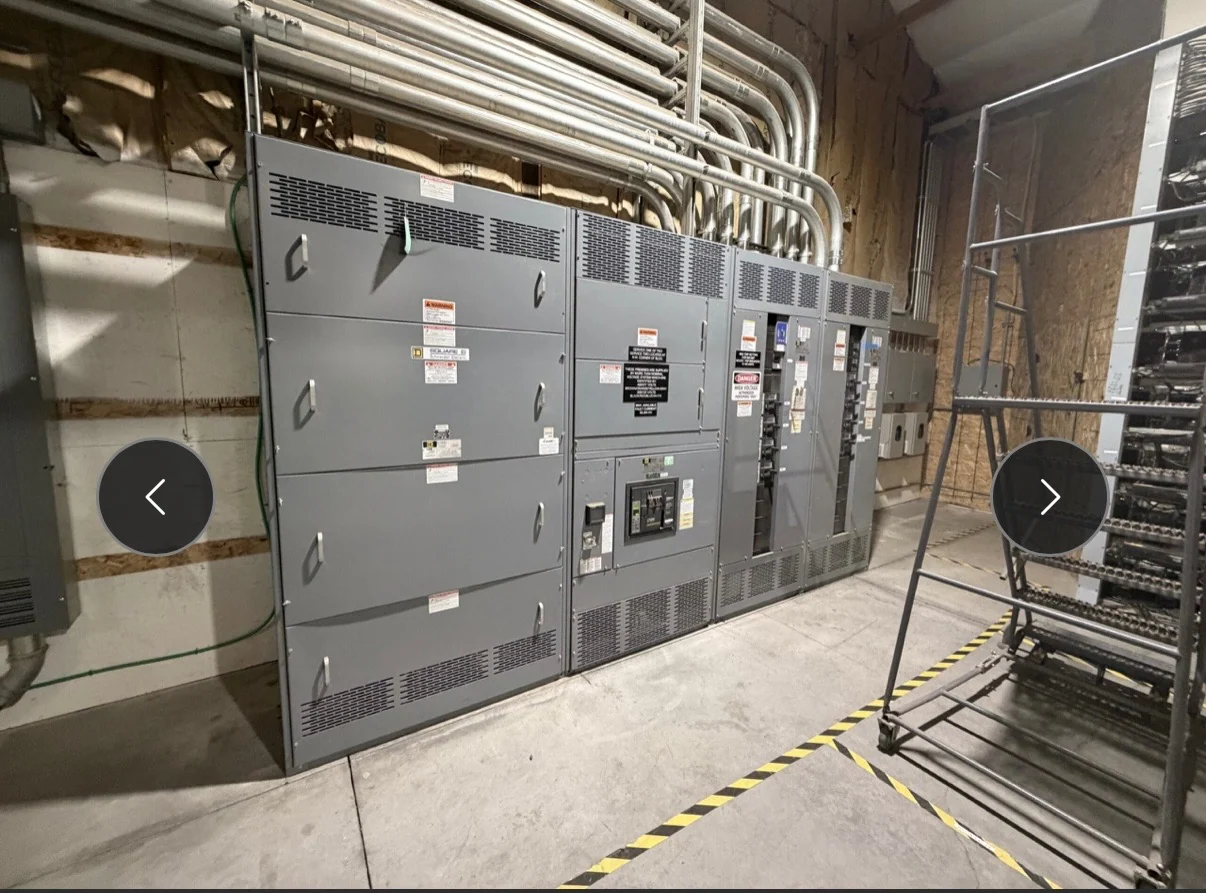
A useful replacement switchgear inquiry begins with the documents that describe the distribution system today. Gather the latest one-line diagram, equipment schedules, nameplate photographs, feeder lists, protective-device information, available fault-current data, and any prior modifications. Include the lineup dimensions, section sequence, cable-entry direction, bus arrangement, grounding method, and service-entrance details when applicable. A manufacturer can then distinguish the electrical function that must be preserved from the physical features that may be redesigned. If drawings conflict with field conditions, identify the discrepancy rather than allowing an assumption to enter the quotation. This record also helps the design team decide whether a direct dimensional interface is essential or whether a new lineup can use a different footprint and connection strategy.
Define Ratings Before Requesting a Quote
Replacement equipment must be specified from system duty, not from an old catalog number alone. State nominal voltage, phase and wire configuration, frequency, continuous current, short-circuit duty, grounding arrangement, service conditions, and the ratings of mains, ties, feeders, breakers, switches, metering, and control power. Identify unusual loads such as motors, transformers, generators, UPS equipment, or distributed generation because their operating and fault contributions can affect coordination. Ask the electrical engineer to confirm available fault current and protective settings for the proposed configuration. If the project uses a main-tie-main or another source arrangement, provide the desired normal position, transfer sequence, interlocks, and operating responsibilities. These inputs let Switchgear Builders develop a new custom assembly to the project specification rather than guessing from legacy equipment.
Resolve Physical and Connection Interfaces
A replacement switchgear supplier should receive practical installation constraints alongside electrical requirements. Document the available room, working clearances, wall and floor conditions, access route, door and ceiling limitations, lifting path, cable bend space, conduit locations, busway connections, and grounding electrode interface. Note whether the incoming and outgoing conductors enter from the top, bottom, or a side, and whether existing conduits can be moved. A new lineup may preserve connection points, use transition sections, or require field-installed adaptations; each choice affects outage planning, labor, and engineering review. Photographs with dimensions are especially helpful when construction drawings are incomplete. The final arrangement should be reviewed by the responsible engineer and installation contractor before fabrication so that the equipment fits both the electrical room and the planned means of connection.
Plan the Outage and Installation Sequence
Replacing distribution equipment is also a sequencing exercise. Describe which loads must remain energized, whether temporary power is possible, the permitted shutdown window, demolition boundaries, testing responsibilities, and the point at which the new lineup will be accepted for energization. Coordinate procurement drawings, equipment delivery, rigging, demolition, cable termination, control wiring, inspection, and commissioning with the project schedule; do not assume a delivery date until the specific scope and production plan are reviewed. A phased design can sometimes separate sections or preserve a temporary source, but that decision belongs to the project engineer and owner. Provide the destination, receiving restrictions, dock or crane information, packaging needs, and preferred shipping split so nationwide delivery can be planned around the site rather than treated as an afterthought.
Specify Components, Documentation, and Testing
A complete request should identify the protective devices, metering, relays, control switches, indication, communication points, terminal blocks, space provisions, labels, and enclosure conditions required by the design. Ask for a clear list of included and excluded work, along with submittal drawings, wiring diagrams, bills of material, device data, installation information, and test records appropriate to the project. If UL 891 is named in the specification, confirm whether it applies to the particular assembly and what listing, construction, or verification documentation is required; its applicability should be established project by project. Factory inspections or functional checks should use agreed procedures and acceptance criteria. American components can be requested as part of the equipment scope, while component origin and any project-specific documentation should be confirmed during quotation and submittal review.
Buy New Replacement Switchgear Directly From the Manufacturer
Buying new replacement switchgear directly from Switchgear Builders gives the project team one place to communicate the electrical scope, physical interfaces, documentation needs, and shipping destination. The manufacturer builds custom electrical switchgear to specification in the United States using American components and supplies equipment for nationwide shipping. A quote request should include the project location, required delivery conditions, drawings, ratings, lineup dimensions, control sequence, installation division of responsibility, and any engineer or utility review requirements. Compare proposals by technical completeness rather than headline price alone: check device scope, enclosure details, drawings, testing, packaging, freight assumptions, exclusions, and change-control terms. Before issuing an order, have the responsible technical and procurement parties confirm that the proposed new lineup matches the approved design and the planned installation method.