What American-Made Switchgear Should Mean
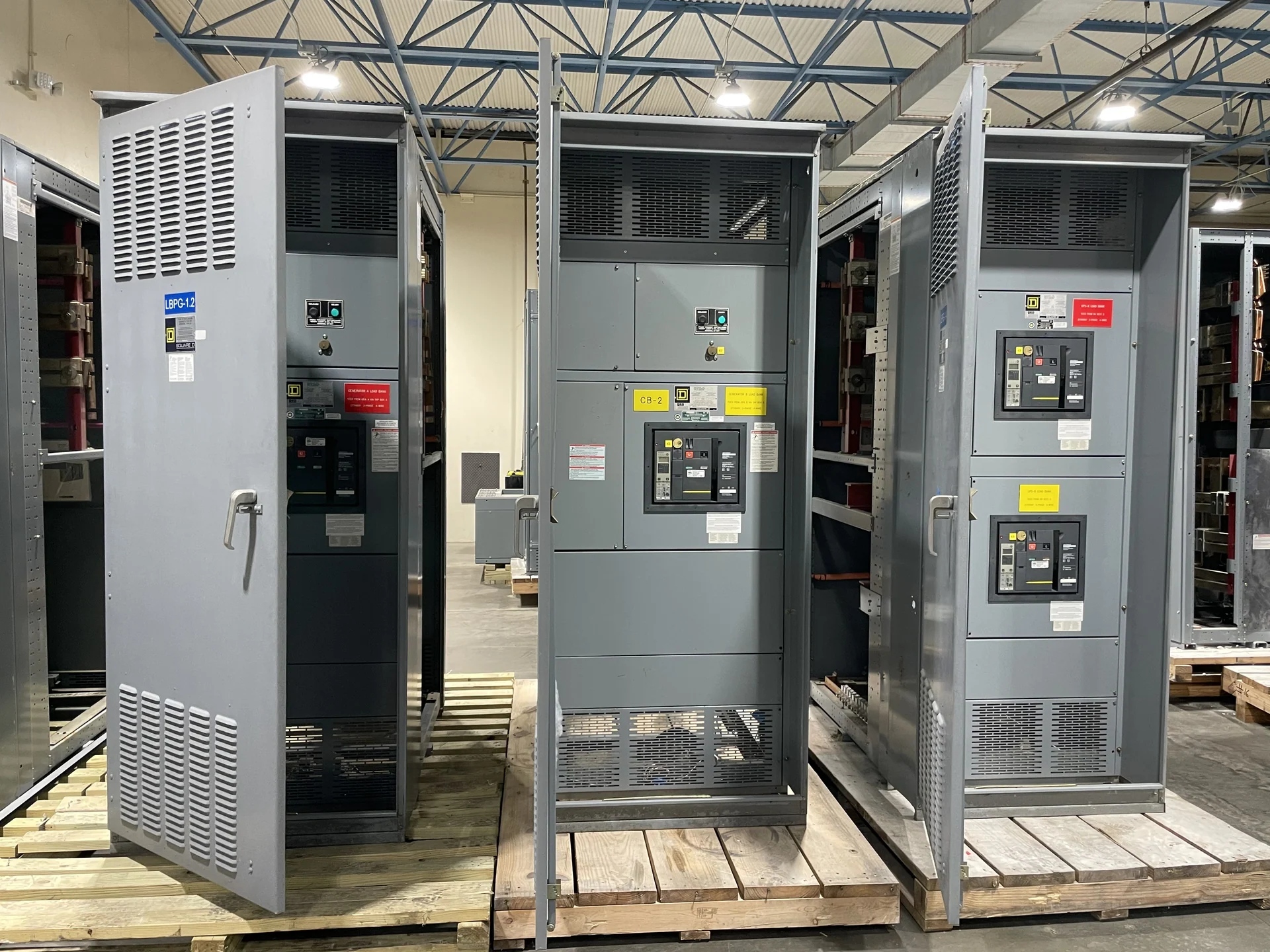
American-made switchgear is best treated as a sourcing question that requires evidence, not as a label that answers every project concern. A buyer should distinguish where the assembly is engineered, fabricated, wired, inspected, and shipped from where individual breakers, meters, relays, bus material, terminals, and other components originate. Switchgear Builders manufactures new electrical switchgear in the United States, custom-built to specification with American components and shipped nationwide. The exact manufacturing location and component-origin details should still be confirmed for the equipment being quoted.
Define the Origin Requirement Before Quoting
Before requesting a quote, put the sourcing requirement into measurable project language. Identify whether the specification calls for U.S. assembly, domestic steel or copper, American-origin protective devices, domestic controls, or a defined percentage of component value. Also record any owner, utility, public-sector, funding, or contract provisions that affect origin documentation. A phrase such as American-made switchgear can otherwise mean different things to the engineer, procurement team, contractor, and authority reviewing the submittal. Clear wording lets the manufacturer respond to the actual requirement instead of an assumed interpretation.
Request Component-Origin Documentation
Ask the manufacturer to identify the proposed origin or sourcing basis for the major equipment groups, rather than relying on a broad marketing description. Useful questions cover enclosure metal, bus conductors, insulating materials, circuit breakers or switches, fuses, metering, relays, terminal blocks, control power components, and nameplate documentation. Ask which details will appear on the quotation, bill of materials, submittal drawings, or other project records, and identify what may change if an approved component becomes unavailable. Origin information should be reviewed alongside the actual design and contract language.
Connect Domestic Sourcing to the Technical Design
Component origin cannot be separated from electrical and physical fit. The one-line diagram, nominal voltage, phase and frequency, continuous current, available fault current, protective-device duties, bus arrangement, enclosure environment, cable entry, metering, controls, and interlocks all influence the equipment design. If a requested American component has a different footprint, terminal arrangement, rating, or control interface than an initially considered device, the lineup may require a revised layout or coordination review. Treat sourcing preferences as an engineering input to be reconciled with the complete switchgear specification.
Review the Quote and Submittal as One Package
A useful comparison between manufacturers should examine more than a country-of-origin statement. Compare the proposed scope, equipment type, ratings, construction details, device manufacturers, control sequence, drawings, testing expectations, documentation, exclusions, shipping responsibility, and approval process. Ask the manufacturer to flag substitutions and explain how they affect origin, interfaces, or review requirements. For a custom switchgear project, the quote establishes commercial assumptions while the submittal confirms technical interpretation; keeping those documents aligned reduces ambiguity before fabrication and helps the project team identify open decisions early. The review should also identify who approves substitutions, which records accompany the shipment, and how unresolved origin questions are escalated before release for fabrication.
Plan Delivery and Project Coordination
Nationwide shipping makes domestic manufacturer coordination relevant even when the jobsite is far from the production location. Give the manufacturer the destination, receiving constraints, unloading method, access route, shipping split preferences, lifting information, and required delivery terms. Coordinate the approved drawings, field dimensions, electrical-room clearances, installer responsibilities, and receiving inspection with the project team. Request project-specific confirmation of manufacturing details, documentation, shipping arrangements, and any requirement such as UL 891 applicability when that standard is part of the specification. This information also helps the contractor plan staging, storage protection, and safe movement from the receiving point into the final electrical space.