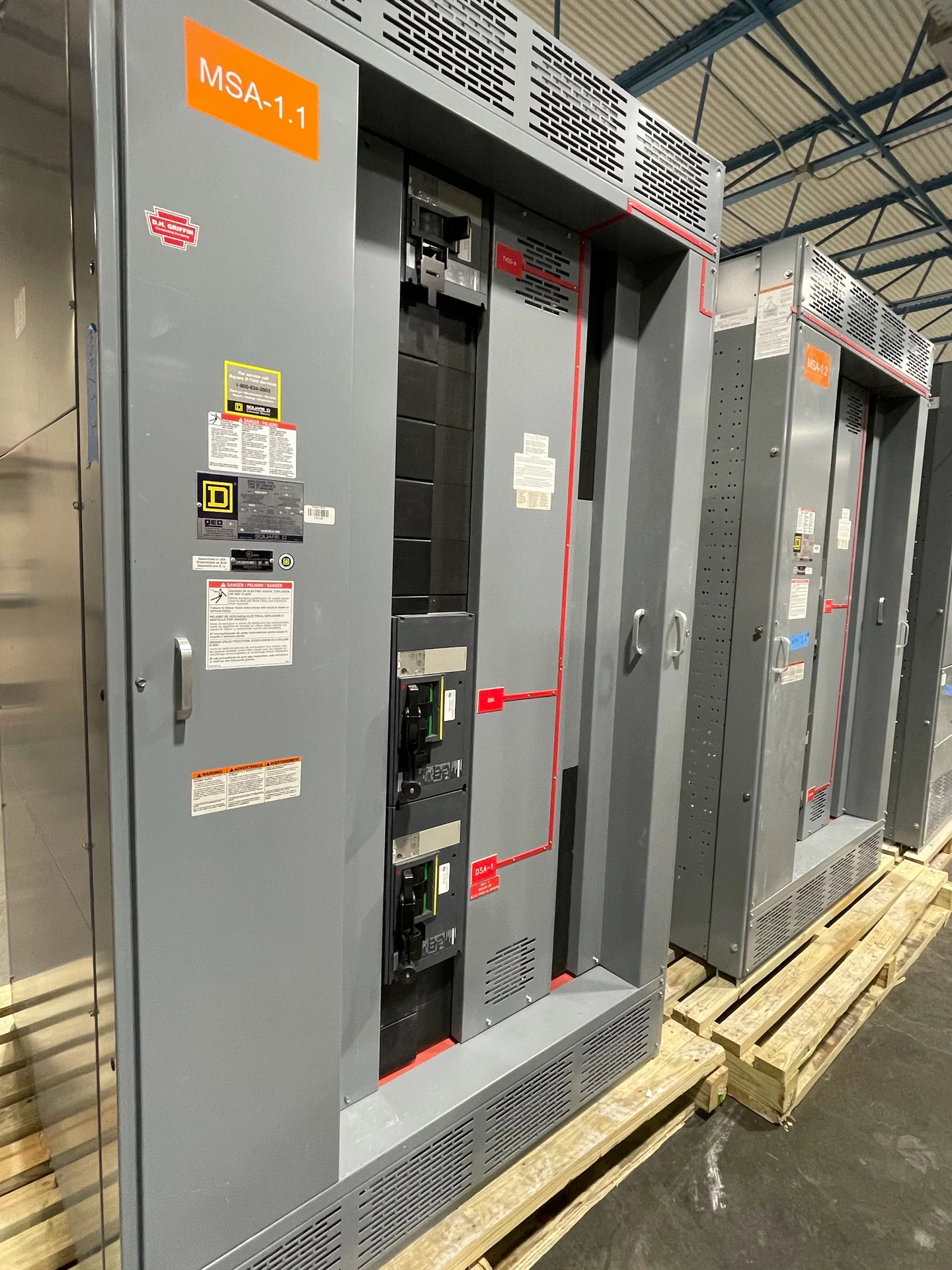
Start With a Complete Equipment Definition
An expedited switchgear inquiry becomes practical only when the equipment scope is clear enough to engineer and price. Provide the latest one-line diagram, nominal voltage, phase and frequency, continuous current, available fault current, main and feeder device requirements, bus arrangement, enclosure environment, dimensions, cable entry, controls, metering, and installation interfaces. Identify what is fixed and what may be adjusted. A manufacturer can then distinguish a straightforward new assembly from a request that needs additional design coordination before any schedule discussion is meaningful.
Separate Approval Gates From Fabrication Work
Many projects lose calendar time between inquiry, drawing review, and release rather than during physical assembly alone. Establish who supplies the governing electrical design, who reviews submittal drawings, and which changes require formal approval. Mark required documents, review cycles, witness points, and release authority in the request. If an electrical contractor or engineer has already selected devices, include their data and exact part references. Clear approval ownership reduces avoidable revisions while preserving the engineering review needed for a custom-to-spec build.
Define the commercial and technical boundaries at the same time. Identify whether the request covers only the lineup or also engineering documents, testing records, shipping preparation, and other project deliverables. Note the controlling drawing revision, required language for labels, destination constraints, and the person authorized to release fabrication. These details give the manufacturer a stable basis for discussing feasibility and help the project team recognize which unanswered questions could change scope after quotation.
Coordinate Components and Substitutions Carefully
Component availability can affect an expedited request, but substituting a device is not merely a purchasing decision. A different breaker, switch, meter, relay, or control component may change dimensions, connections, interrupting or withstand requirements, protection settings, communication interfaces, heat considerations, or documentation. List acceptable manufacturers and approved alternatives, if any, and identify items that cannot change. Switchgear Builders manufactures new electrical switchgear in the United States with American components, while the exact component set and project fit remain matters to confirm during quotation and engineering review.
Use Capacity and Scope to Set a Realistic Schedule
A request for short-lead-time switchgear should ask for a project-specific schedule rather than assume one. The response depends on the completeness of released information, drawing approvals, component sourcing, fabrication sequence, inspection requirements, shipping configuration, and current production capacity. State the required in-service date, the date equipment must be released, and any immovable outage or installation event, then ask which milestones are achievable. Do not compress testing, documentation, or review steps without the responsible engineer agreeing that the revised plan remains suitable.
Plan Packaging, Shipping, and Site Receipt
Nationwide shipping is part of the project plan, not an afterthought at the end of fabrication. Include the United States destination, receiving hours, dock or crane limitations, route access, delivery contact, requested shipping split, and whether sections must arrive in a particular installation sequence. Confirm lifting points, approximate shipping dimensions and weights when available, freight responsibilities, and protection against weather during transit. The receiving team should inspect packaging and equipment condition at arrival, record exceptions, and coordinate qualified handling before movement into the electrical room.
Request a Decision-Ready Manufacturer Quote
A useful expedited quote request asks the manufacturer to identify assumptions, exclusions, open technical questions, approval milestones, shipping terms, documentation included, and the basis for any proposed schedule. Attach drawings in a controlled revision and name one technical contact who can answer questions promptly. Ask whether the requested configuration can be built custom to spec and what information is needed to confirm it. This approach helps procurement compare electrical distribution equipment on equivalent scope instead of choosing an uncertain date that later changes when requirements are clarified.