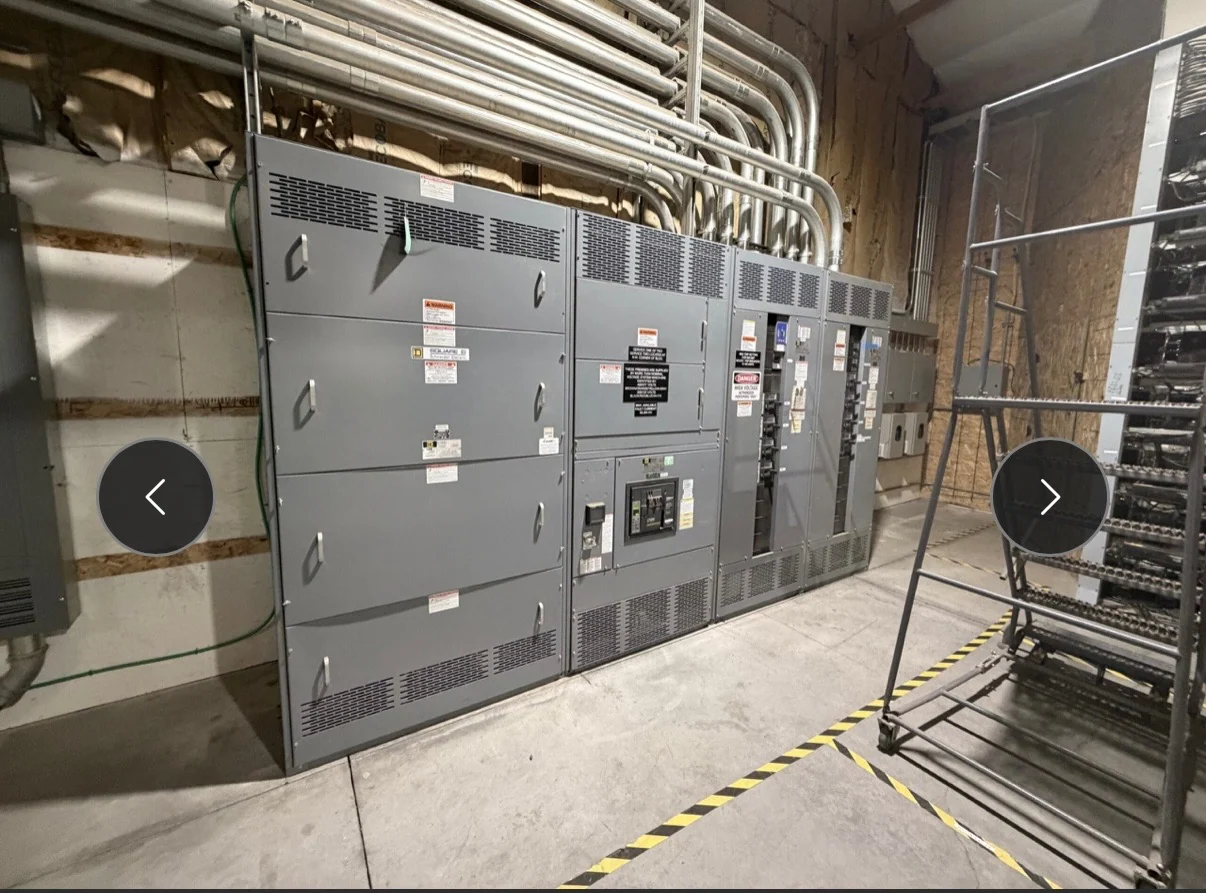
Start With the Electrical Design Basis
Custom switchgear engineering begins by turning the power system concept into a defined equipment basis. The design team should review the one-line diagram, nominal voltage, phase and wire arrangement, grounding method, continuous current, available fault current, interrupting duties, and required protective functions. Load schedules, transformer information, utility requirements, and generator or alternate-source details may affect the lineup. This disciplined starting point prevents a visually plausible enclosure from being specified without the electrical capacity, source relationships, or protection strategy needed for the actual installation. Switchgear Builders manufactures new equipment custom to project requirements, using American components and coordinating the build around the information supplied for engineering review.
Translate Requirements Into a Practical Layout
A useful design connects electrical functions to physical constraints rather than treating the enclosure as an afterthought. Engineering coordination considers lineup length, section boundaries, breaker or switch arrangement, bus location, cable entry, control compartments, metering space, ventilation, doors, removable panels, and service access. Room dimensions and the movement path can be just as important as the one-line diagram, especially when large sections must pass through doors or around structural obstructions. The final arrangement should also identify lifting provisions, anchorage interfaces, working clearances, and the separation of power and control conductors where the project requires it.
Define Controls, Interlocks, and Interfaces
Custom engineering should make the operating sequence explicit before fabrication. For a lineup with multiple sources, the project team can document which main devices may close, when a bus tie may operate, what prevents an unintended paralleling condition, and how local or remote commands are handled. Control power, trip and close circuits, auxiliary contacts, alarms, metering signals, terminal blocks, communication points, and external interlocks need clear names and connection information. These details let engineers, installers, and operators review the intended behavior together. A manufacturer quote is more useful when it includes control schematics, interface points, and any required sequence narrative instead of only a cabinet outline.
Select Components Around the Application
Component selection follows the system duty and the required functions, not a generic parts list. Circuit breakers, switches, fuses, current transformers, meters, relays, surge devices, control power equipment, and terminal hardware each introduce rating, space, wiring, maintenance, and coordination questions. The engineering package should identify device characteristics that matter to the study, including trip functions, sensor ratios, control voltage, connection method, and setting or communication requirements when applicable. Switchgear Builders uses American components; confirm the proposed brands, models, availability, and compatibility for the project before release.
Review Drawings Before Release
A structured drawing review catches costly changes while the design is still editable. The review set may include a one-line diagram, elevation, plan view, section details, wiring diagrams, terminal schedules, device schedules, nameplate information, and connection details. Compare every feeder and control point against the owner's requirements, then check cable bending space, access, clearances, field wiring routes, and the installer’s planned terminations. If UL 891 is identified for a switchboard project, its applicability and any project-specific listing or construction requirements must be confirmed for that assembly; the designation should never be assumed from a general equipment description.
Coordinate Fabrication, Testing, and Delivery
After design approval, engineering remains connected to fabrication through controlled drawings, material details, assembly instructions, inspection points, and documented revisions. The project can define dimensional checks, wiring continuity, insulation checks, device operation, control-sequence demonstrations, and witness expectations according to the equipment scope. Packaging and shipping plans should account for section splits, weights, lifting points, destination access, receiving inspection, and responsibility for on-site handling. Switchgear Builders supplies new custom-built electrical equipment nationwide, but destination, freight terms, project readiness, and shipment timing must be confirmed for the specific order rather than presumed.