Treat Logistics as Part of the Switchgear Design
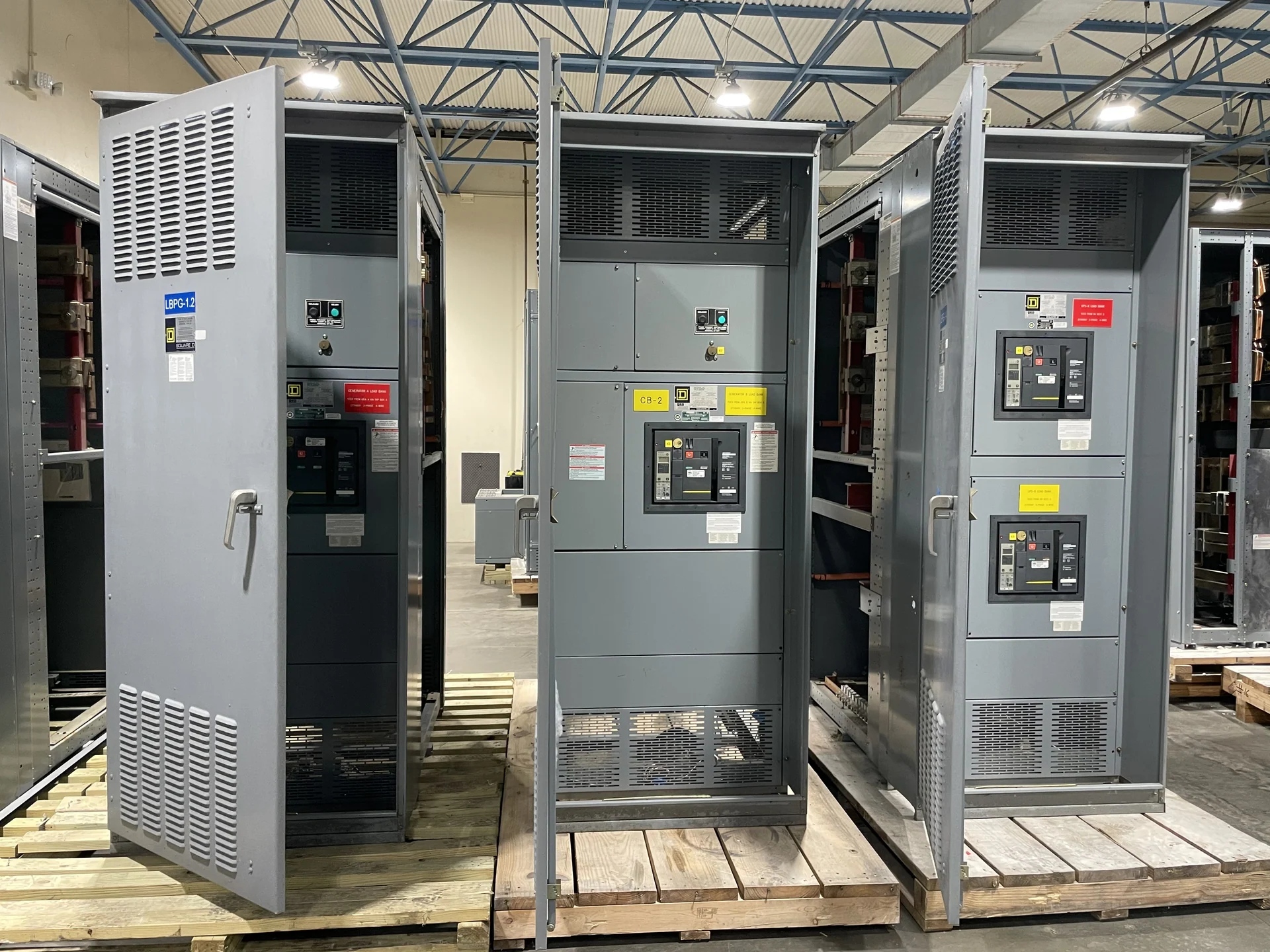
Rigging and logistics begin before a new switchgear lineup is released for fabrication. The equipment arrangement, shipping split, enclosure dimensions, estimated weight, center of gravity, lifting points, and destination access all affect how the assembly can move from the manufacturer to the electrical room. New electrical switchgear from Switchgear Builders is manufactured in the United States to specification, with American components and nationwide shipping. A useful project plan connects those capabilities with the engineer's drawings, the contractor's installation sequence, and qualified rigging partners.
Define Shipping Sections and Field Connections
A long lineup may need to travel as several coordinated shipping sections rather than one assembled unit. Section boundaries should account for bus and control connections, splice access, cable entry, doors, barriers, removable devices, and the route through the building. Ask the design team to identify which joints are completed in the factory and which are completed during installation, then reflect that decision in drawings, connection markings, hardware lists, and field instructions. The goal is a manageable shipment without creating avoidable alignment or termination work at the site.
Confirm Weight, Dimensions, and Lifting Points
Rigging partners need dependable information for each shipping section, including overall length, width, height, shipping weight, approximate center of gravity, lifting-point locations, and any restrictions on orientation. Those details should be reviewed against the trailer, loading equipment, dock, crane, forklift, and final handling route. Include door widths, ceiling height, turning radii, floor transitions, ramps, and the distance from unloading position to the electrical room. Equipment drawings should show the lifting provisions and handling cautions that apply to the specific build, not generic assumptions.
Coordinate the Route from Shipment to Room
A successful delivery plan follows the assembly through every handoff: factory loading, freight transit, site receiving, temporary staging, indoor movement, placement, joining, anchoring, and connection. The project team should assign responsibility for permits, traffic control, unloading equipment, weather protection, storage security, floor protection, and inspection at receipt. Share site photographs or a measured route when access is uncertain. If a building has restricted hours, an active production area, or limited laydown space, those constraints belong in the inquiry so the manufacturer and qualified rigging partner can coordinate a realistic sequence.
Protect the Assembly During Handling
Packaging and handling instructions should protect doors, instruments, breakers, barriers, bus connections, control wiring, finishes, and enclosure openings from shock, moisture, contamination, and unintended loading. Receiving personnel should compare the shipment against the packing list, photograph visible damage, preserve identification labels, and report discrepancies through the agreed project channel before moving sections. Do not drag a lineup, lift from an unapproved location, or remove protective materials without reviewing the project instructions. Final placement also requires attention to anchorage, leveling, working space, cable access, and the installation drawings.
Build a Clear Logistics Submittal
A practical logistics submittal can include the approved general arrangement, shipping-section schedule, dimensions, weights, lifting-point diagram, center-of-gravity notes, packing list, connection schedule, receiving checklist, and contact responsibilities. It should distinguish information available at quotation, information confirmed during design, and information issued for shipment. When requesting a custom switchgear quote, provide the destination, access limitations, desired shipping splits, available handling equipment, project milestones, and the roles of the electrical contractor and qualified rigging partner. This gives the manufacturer useful context while keeping delivery dates and project-specific feasibility subject to confirmation. Include the preferred receiving contact and the process for documenting concealed damage, missing hardware, or a shipment that arrives out of sequence. The installation team can then plan labor around the actual division of work, while the owner can review whether staging, security, and environmental controls are adequate before freight is accepted. Clear logistics records also help preserve traceability when several trades share the same delivery window.