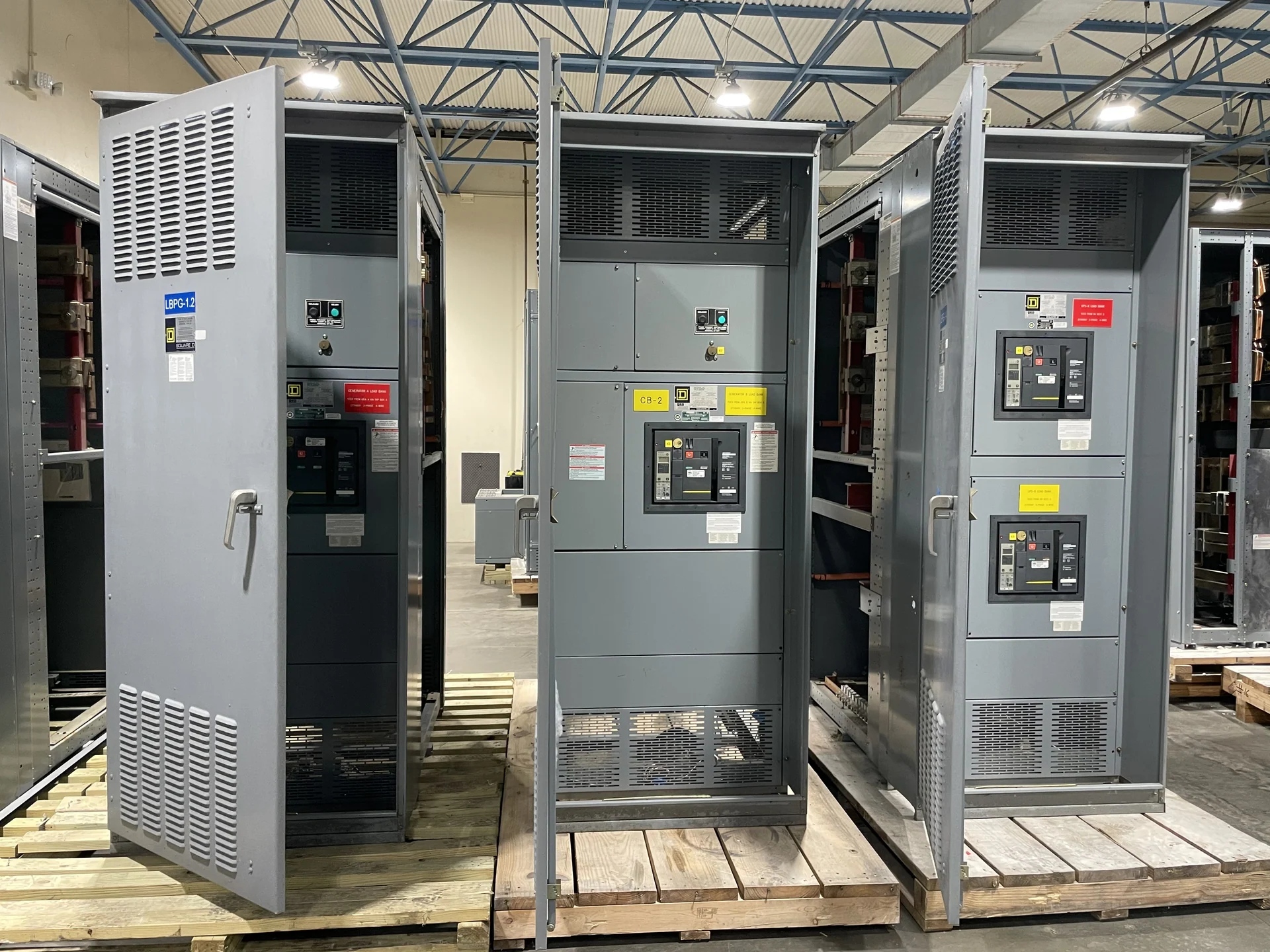
Define the Inspection Scope Before Building
Effective switchgear testing and inspection begins with a written project scope, not a generic checklist. The owner, engineer, contractor, and manufacturer should identify the equipment lineup, one-line diagram, component schedule, control philosophy, environmental conditions, and acceptance criteria before fabrication. A new custom assembly from an American manufacturer can then be reviewed against the information that actually governs the project. This approach separates dimensional workmanship checks from electrical and functional checks, clarifies who witnesses each activity, and prevents unresolved design questions from being mistaken for test results. Include the project revision and governing responsibility so later questions can be traced to the correct design basis.
Review Construction and Workmanship
A construction inspection examines whether the assembly matches the approved drawings and specified interfaces. Reviewers may check enclosure dimensions, door operation, removable covers, device identification, bus supports, conductor routing, terminal markings, grounding provisions, cable-entry areas, ventilation features, and access for maintenance. Inspection should also compare component part numbers and nameplate information with the approved submittal, while confirming that shipping splits, lifting provisions, and field connection points are documented. These observations give the project team a practical record of what was built before electrical checks begin. A checklist is most useful when each observation has a clear status, reference drawing, and accountable reviewer.
Plan Electrical Checks Around the Assembly
Electrical checks should reflect the equipment design and the agreed test plan rather than an assumed universal sequence. Depending on the project, the plan may address point-to-point continuity, conductor identification, insulation condition, polarity, grounding paths, control-circuit integrity, and verification of intended connections. Test methods, instruments, preparation steps, and acceptance values should be established by qualified personnel with the responsible engineer. Results need traceable equipment identification, test date, instrument information where required, measured values, and disposition of any exception. If a value or method depends on equipment class or site conditions, state that dependency instead of copying a value from another project.
Verify Controls, Interlocks, and Operating Sequences
Functional testing evaluates whether controls behave as the approved operating sequence describes. A project team can define checks for breaker or switch indications, permissive logic, electrical interlocks, trip circuits, close circuits, alarm contacts, metering signals, remote interfaces, and source-transfer or bus-tie logic when those functions are part of the design. Simulated inputs should be identified clearly, and each expected response should be recorded. The manufacturer, engineer, and installer should resolve discrepancies through documented review rather than treating an informal demonstration as final acceptance. The final record should identify whether each action was witnessed, simulated, measured, or deferred for field verification.
Coordinate Witnesses and Exceptions
Inspection logistics matter as much as the technical checklist. Before a factory review, agree on the drawing revision, witness attendees, test instruments or simulated signals, safety boundaries, notification method, and procedure for recording comments. An exception log should distinguish an observation, a required correction, a design clarification, and an item reserved for field installation. When a change affects bus arrangement, protective devices, control wiring, or field interfaces, the responsible design authority should evaluate the change and update the relevant documentation before shipment. This coordination is especially important when several parties share responsibility for installation, energization, or commissioning.
Deliver a Useful Test Documentation Package
Test documentation should allow the receiving team to understand what was inspected, how it was checked, and which project requirements governed acceptance. A useful package can include approved drawings, inspection records, electrical test sheets, functional-test results, exception disposition, component information, marked revisions, and instructions for field checks that cannot occur during manufacturing. Switchgear Project Support from a direct builder should connect the records to the delivered equipment and its U.S. component selections, while nationwide shipping coordination should preserve the relationship between the documented lineup, shipping sections, and receiving inspection. Keep electronic and printed records aligned so installers and owners are working from the same approved information at receipt.