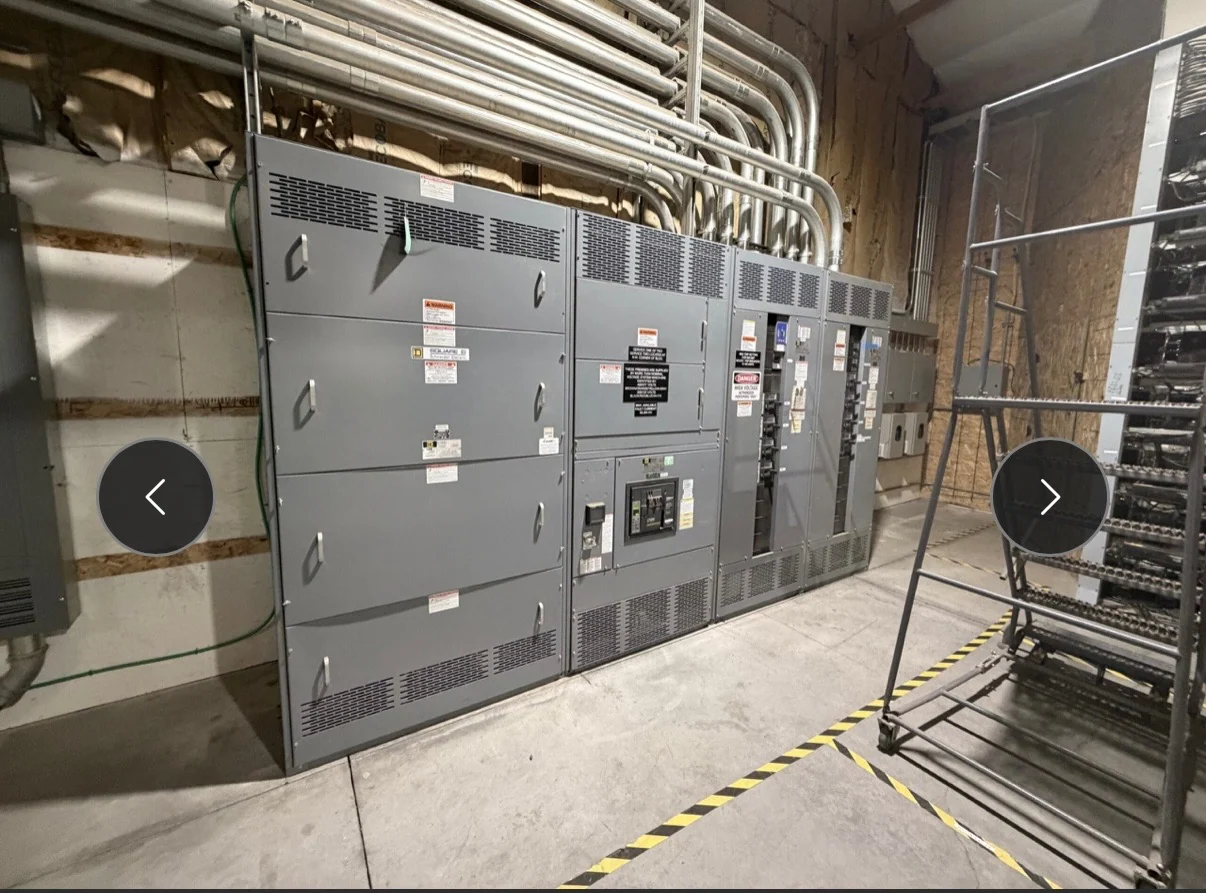
Define the Inspection Plan Before Fabrication
A useful switchgear manufacturing testing and inspection plan begins with the approved electrical one-line, equipment schedule, physical layout, and purchase requirements. Those documents establish what must be checked rather than relying on a generic checklist. The manufacturer and project team can identify inspection points for enclosure construction, bus arrangement, protective devices, control circuits, labels, documentation, and shipment condition. Each point should have an acceptance criterion, responsible reviewer, required record, and disposition process for a discrepancy. For a custom new assembly, this early alignment prevents a dimensional issue or wiring interpretation from being discovered only after final assembly.
Verify Enclosure Workmanship and Dimensions
Workmanship inspection examines whether the fabricated enclosure and structural members match the released drawings and are suitable for the intended installation interfaces. Inspectors can compare overall length, width, height, section boundaries, door and panel operation, mounting provisions, cable-entry openings, lifting features, barriers, and ventilation details with the approved layout. They can also look for sharp edges, incomplete joints, damaged finishes, loose hardware, inconsistent labeling, and obstructions that could interfere with devices or conductors. Dimensional records should identify the measurement, tolerance, instrument or method used, and any approved deviation, giving installers useful information before the equipment leaves the manufacturer.
Check Buswork, Devices, and Internal Assembly
Internal inspection follows the power path and control architecture instead of treating the lineup as an undifferentiated box. The review can confirm bus material and identification, supports, joints, clearances, barriers, grounding and bonding provisions, device mounting, feeder locations, cable routing, and access for intended maintenance activities. Protective devices should correspond to the project schedule and drawings, while auxiliary contacts, metering components, terminals, and control power parts should be checked against the approved design. Torque records, conductor identification, lug orientation, and fastener security are practical evidence that assembly work was completed consistently, subject to the project's specified procedures and limits.
Perform Electrical and Functional Tests
Electrical testing should be selected from the equipment design, applicable project requirements, and the agreed test plan. Common checks may include point-to-point continuity, control-circuit verification, insulation resistance where appropriate, grounding continuity, polarity, phase identification, and device operation without energizing the assembly. Functional testing can exercise breaker or switch commands, interlocks, permissives, indication, metering signals, alarms, and source-transfer sequences when those functions are part of the specified equipment. Test boundaries and precautions matter: a test result is meaningful only when the setup, instrument, conditions, acceptance limit, and responsible witness are recorded clearly.
Set Acceptance Criteria and Resolve Findings
Acceptance criteria should be agreed before inspection so that a finding is evaluated against a known requirement rather than personal preference. The criteria may reference approved drawings, device data, customer specifications, engineering calculations, manufacturer procedures, or project-defined electrical limits. A complete record identifies the assembly section, inspection or test performed, result, date, instruments used when relevant, and reviewer. If work does not meet the criterion, the manufacturer can document the nonconformance, proposed correction, reinspection requirement, and final disposition. Changes to wiring, hardware, or settings should flow back into controlled drawings and records before release.
Prepare Records for Delivery and Field Coordination
The final inspection package should make the delivered new switchgear understandable to the engineer, electrician, commissioning team, and owner without overstating what was tested. Depending on the contract, it may include marked inspection forms, dimensional checks, electrical and functional results, device schedules, wiring drawings, as-built revisions, photographs, torque information, and a list of open items. If UL 891 or another construction standard is named, its applicability, required evidence, and any project-specific listing expectations must be confirmed for that assembly rather than assumed. Switchgear Builders manufactures custom equipment with American components and can coordinate nationwide shipping details; destination access, packaging, freight responsibilities, and receiving inspection still need project agreement.