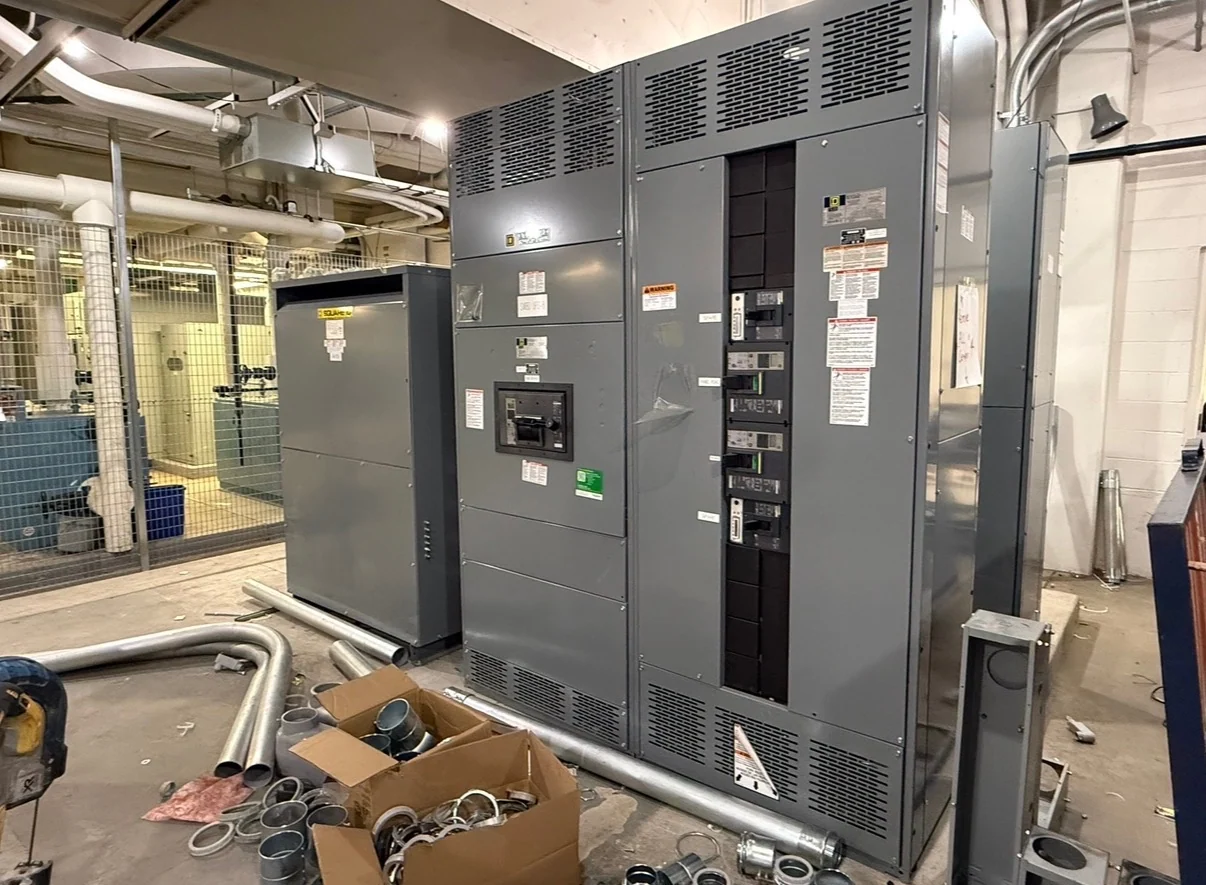
Start With a Shared Inspection Scope
Switchgear inspection planning should begin before fabrication, not at the loading point. The manufacturer, engineer, electrical contractor, owner, and any designated inspector should identify what will be examined, who will witness it, and which records will be delivered. A useful scope references the approved one-line diagram, general arrangement, wiring drawings, bill of materials, component data, and project specifications. It should distinguish routine workmanship checks from hold points that require approval before work continues. For a custom American-built switchgear package using U.S. components and nationwide shipping, the same written scope helps keep design review, assembly, inspection, and delivery aligned without assuming an outcome that has not been verified.
Define Inspection Points by Project Stage
Inspection points are more effective when tied to recognizable stages of the build. During incoming-material review, the team can compare received components, conductor material, hardware, device identifiers, and documentation with the approved requirements. During fabrication, inspectors may check enclosure dimensions, openings, mounting provisions, finish requirements, barriers, and access arrangements. During assembly, attention can move to bus routing, supports, joints, clearances, device placement, labels, terminal blocks, and control-wire segregation. A final examination can verify nameplates, door operation, interlocks, grounding provisions, shipping splits, lifting points, and visible workmanship. The exact checklist should follow the design and contract rather than a generic assumption about every lineup.
Set Acceptance Criteria Before Work Begins
Acceptance criteria should be specific enough that two qualified reviewers can reach the same conclusion. For example, a criterion might require a device identifier to match the approved drawing, a terminal label to correspond with the wiring schedule, or a measured dimension to remain within an agreed project tolerance. Electrical checks should name the applicable method, instrument requirements, preparation steps, and documentation format; they should not be treated as automatic proof of every system property. If UL 891 is relevant, the parties must confirm its applicability and any project-specific listing or capability rather than treating the standard as a blanket statement about all equipment. Criteria also need a disposition path for questions, deviations, and reinspection.
Coordinate Witnesses and Hold Points
A witness plan turns inspection from an informal visit into a controlled project activity. Identify which reviews are document-only, which permit observation, and which are formal hold points requiring release before fabrication or shipment proceeds. Include the responsible contact, notice method, expected review materials, inspection location, and what happens if a witness cannot attend. The plan can include remote drawing review, in-process photographs, or a factory visit when agreed; confirm access, inspection timing, test scope, and responsibility for recording results for the order. The manufacturer can use the approved plan to coordinate custom build activities while the project team retains responsibility for its defined approvals and installation decisions.
Make Records Traceable and Useful
Inspection records should allow a reviewer to connect an observation to the exact equipment section, drawing revision, component, and acceptance criterion involved. Practical records may include dated checklists, marked-up drawings, material or device references, photographs, instrument identification, measured values where applicable, witness signatures, nonconformance reports, corrective-action notes, and reinspection results. Record the revision used at the time of inspection so later drawing changes do not create ambiguity. A project documentation package may also include approved submittals, test forms, final as-built information, and shipping or receiving notes. Agree in advance on file naming, format, retention, and transmittal responsibilities so records remain useful after delivery.
Prepare the Inquiry Around Real Project Inputs
When requesting switchgear project support, provide the manufacturer with the latest one-line diagram, equipment schedule, specifications, layout constraints, control narrative, applicable utility or owner requirements, desired witness points, and documentation expectations. Identify the electrical ratings and interfaces that the engineering team has established, along with environmental conditions, access restrictions, shipping destination, and the parties authorized to approve deviations. Ask how proposed inspection points will be reflected in the quote, drawings, assembly review, and final records. This preparation helps a customer buy new switchgear directly from an American manufacturer with a clear custom scope, while leaving final acceptance criteria to the qualified project stakeholders and applicable requirements.