Start With the Project Question
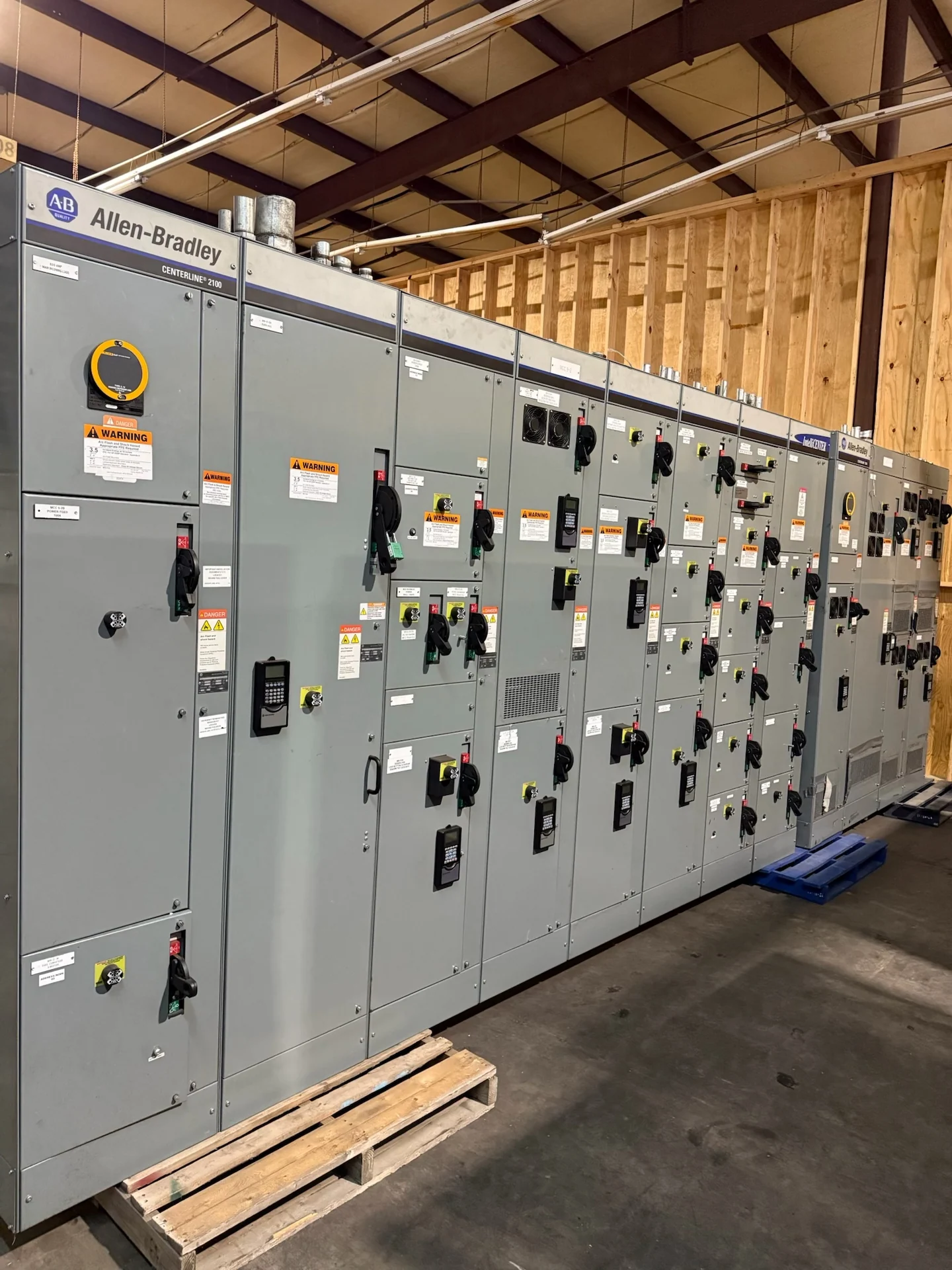
Contact Switchgear Builders with a clear description of the electrical equipment question or project decision you need to resolve. A useful first message can identify whether you are planning a new distribution lineup, replacing equipment, expanding a facility, or seeking a custom switchgear build. Explain the role of the equipment in the system, the intended installation environment, and the point at which you need manufacturer input. Switchgear Builders manufactures and supplies new electrical switchgear in the United States, builds equipment custom to specification, uses American components, and can coordinate nationwide shipping. Final scope remains project-specific. Mention the project phase, review deadline, and decision-maker so technical questions reach the right part of the team.
Information That Makes an Inquiry Actionable
Include the available one-line diagram, equipment schedule, specification sections, and marked-up drawings when they exist. State nominal voltage, phase and wire arrangement, frequency, continuous current requirements, available fault current, grounding method, main and feeder devices, bus arrangement, and any required metering or controls. Dimensions, cable-entry direction, indoor or outdoor placement, enclosure expectations, access limitations, and maintenance clearances also affect a practical review. If some values are not known, label them as open items rather than estimating them; that gives the manufacturer and the project engineer a precise list to resolve. Include drawing revisions and identify assumptions, because an outdated schedule can change device counts, dimensions, and connection details.
Custom-Build Coordination
A custom switchgear inquiry should separate electrical requirements from physical and operating requirements. Describe source relationships, normal and alternate power, tie operation, interlocking intent, protective-device coordination, control voltage, communications, and the sequence operators must follow. Identify who will approve drawings, who will install and terminate the lineup, and which interfaces belong to other trades. A manufacturer can then organize the discussion around a buildable assembly instead of a generic product description. Any proposed arrangement should be reviewed by the responsible electrical engineer and coordinated with site conditions, governing requirements, and the installation plan. Clarify whether the inquiry covers one lineup, several sections, or associated distribution equipment so the scope is not misunderstood.
Questions About Standards and Documentation
Ask directly about the documents your project requires, such as outline dimensions, one-line diagrams, wiring information, device data, bill of materials, shipping splits, inspection records, or a project-defined test plan. If the specification references UL 891, identify that requirement at the outset; its applicability, construction details, and any project-specific listing or verification must be confirmed for the particular assembly rather than assumed. Other requirements may come from the owner, utility, authority having jurisdiction, engineer, or site conditions. Clear documentation expectations prevent an important review item from appearing late in procurement. Also state the required drawing format, revision process, language, and approval sequence when those details are already defined.
Shipping and Site Information
For a delivery discussion, provide the project destination, receiving contact, target site access information, unloading constraints, and whether the lineup may need to be divided into shipping sections. Note dock limitations, doors, elevators, stairways, laydown space, crane or forklift coordination, and the route from the receiving point to the electrical room. Nationwide shipping can be coordinated for new equipment, but freight terms, packaging, handling responsibilities, and transit estimates depend on the final configuration and destination. The installer and qualified rigging personnel should confirm the site handling plan before shipment. Include restricted delivery hours, security procedures, weather exposure during unloading, and any requirement for advance freight notice.
What Happens After You Reach Out
After an electrical equipment inquiry is submitted, organize follow-up around missing technical inputs, design assumptions, commercial scope, and approval responsibilities. A productive exchange may refine the equipment type, ratings, dimensions, components, controls, drawings, testing, and delivery destination before a manufacturer quotation is prepared. Contact information should be current and specific to the person coordinating the project, while attachments should be clearly named and revision-controlled. Because no universal configuration fits every facility, the most useful request is the one that distinguishes confirmed requirements from questions awaiting engineering review. Keep a single correspondence trail for revisions so the final scope, exclusions, and requested follow-up remain easy to identify.