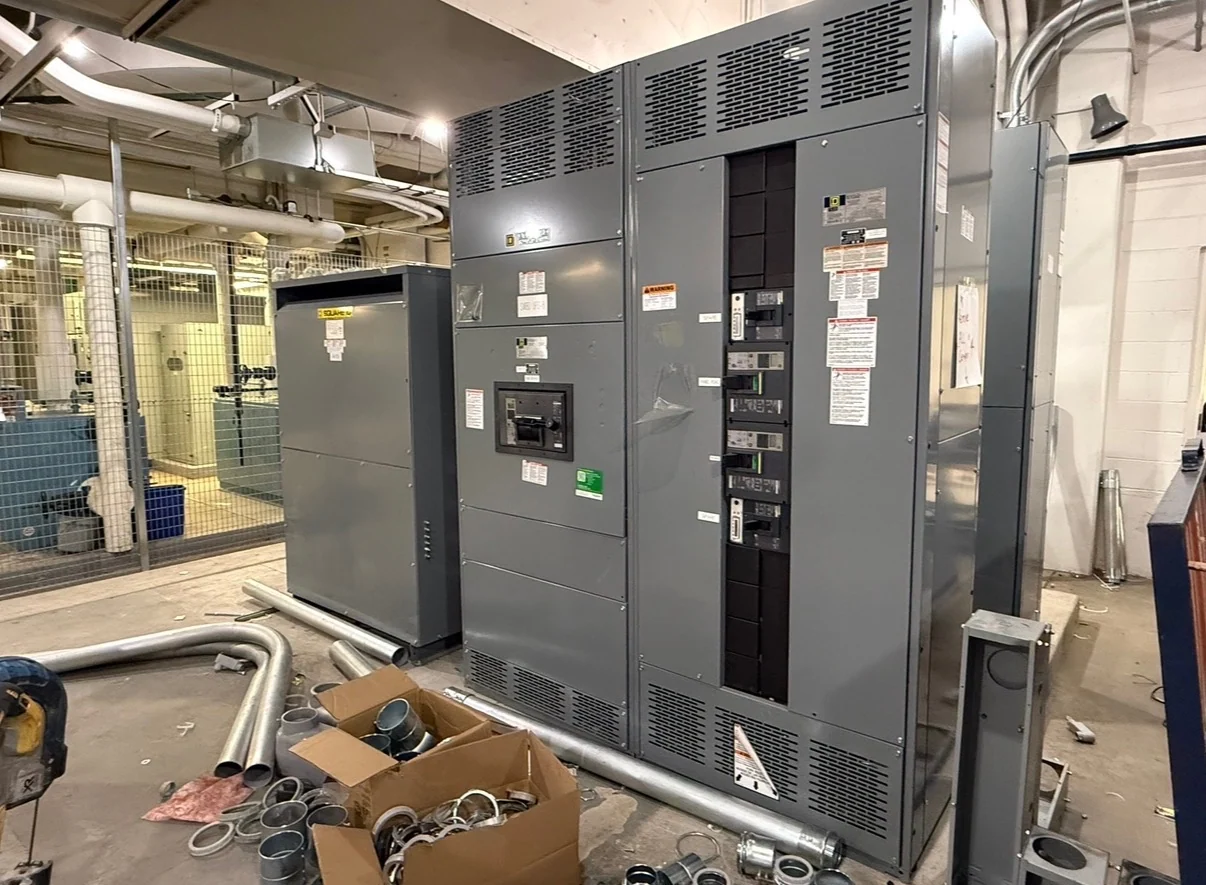
Start With the Project Location
A useful switchgear project inquiry begins with where the equipment will be installed. Provide the city, state, country, facility type, and whether the installation is indoors or outdoors. Note any known access limitations, elevation or environmental concerns, utility interface, and the expected delivery destination. Location helps frame applicable local requirements, freight planning, receiving conditions, and coordination with the electrical engineer and installing contractor. If the final site is not selected, identify the likely region and explain what remains undecided. Switchgear Builders manufactures new electrical switchgear in the United States, uses American components, and can coordinate nationwide shipping; project-specific shipping details still depend on the destination and equipment package.
Describe the Electrical Application
Explain what the equipment must do in the distribution system rather than sending only a product name. Include the source arrangement, intended loads, system voltage, phase and frequency, continuous current needs, available fault current if known, grounding approach, and whether the lineup serves service, feeder, generator, transformer, motor, or other circuits. A current one-line diagram, load schedule, equipment schedule, or existing interface drawing can clarify the request. Identify main-tie-main, metering, transfer, bypass, control, or communication functions only when they are part of the engineered concept. These inputs allow a manufacturer to distinguish the requested assembly from adjacent equipment and identify questions for design review.
Add Physical and Installation Constraints
Dimensions and installation interfaces often determine whether a proposed arrangement is practical. Include available wall or floor space, lineup direction, cable entry, bus connection points, working-clearance assumptions, door swing, maintenance access, lifting path, and any shipping split limitations known to the project team. State whether the equipment replaces an existing lineup, serves new construction, or supports an expansion, and attach photographs or measured sketches when appropriate. Existing nameplate data can help establish a starting point, but it should be identified as reference information rather than a substitute for current engineering. Mention site conditions such as weather exposure, corrosive surroundings, dust, moisture, or unusual ambient conditions so enclosure and layout questions are addressed early.
Explain Project Timing Without Overpromising
Timing information makes a switchgear project inquiry more actionable when it separates firm milestones from planning assumptions. Share the desired quotation date, design-submittal milestone, approval target, outage or energization window, construction phase, and requested shipping period if those dates are known. Explain which dates are contractual, which are internal goals, and which depend on permitting, utility review, engineering approval, or site readiness. Also identify whether the request is for budget planning, a competitive procurement, replacement coordination, or a released project. The manufacturer can then ask focused questions about scope, sequence, production planning, and delivery expectations.
Specify Documentation and Coordination Needs
List the documents and participants needed for a complete response. Depending on the project, that may include a quotation, bill of material, outline dimensions, one-line review, control schematic, terminal schedule, equipment schedule, installation information, testing requirements, and shipping details. Name the engineer of record, electrical contractor, owner representative, utility contact, or commissioning coordinator when their review affects the equipment definition. If UL 891 may apply, identify it as a project requirement for confirmation; applicability, construction details, and any listing or capability must be evaluated for the specific assembly rather than assumed from a general inquiry. Clear document expectations reduce late clarification and help align the manufacturer’s response with the project’s approval process.
Choose a Practical Response Path
Close the switchgear project inquiry with a preferred response method and a person who can answer technical questions. Provide a contact name, role, organization, email address, telephone number, time zone, and whether written questions, a call, or a scheduled review is most useful. Summarize the decision needed next, such as confirming equipment scope, identifying missing electrical data, or preparing a quote request for new custom switchgear. Attach files with clear names and revision dates, and distinguish preliminary drawings from approved documents. A concise summary of priorities, open issues, and requested next action gives the manufacturer a sound basis for follow-up while leaving project-specific engineering and commercial terms to be confirmed.