Start with the Healthcare Electrical Narrative
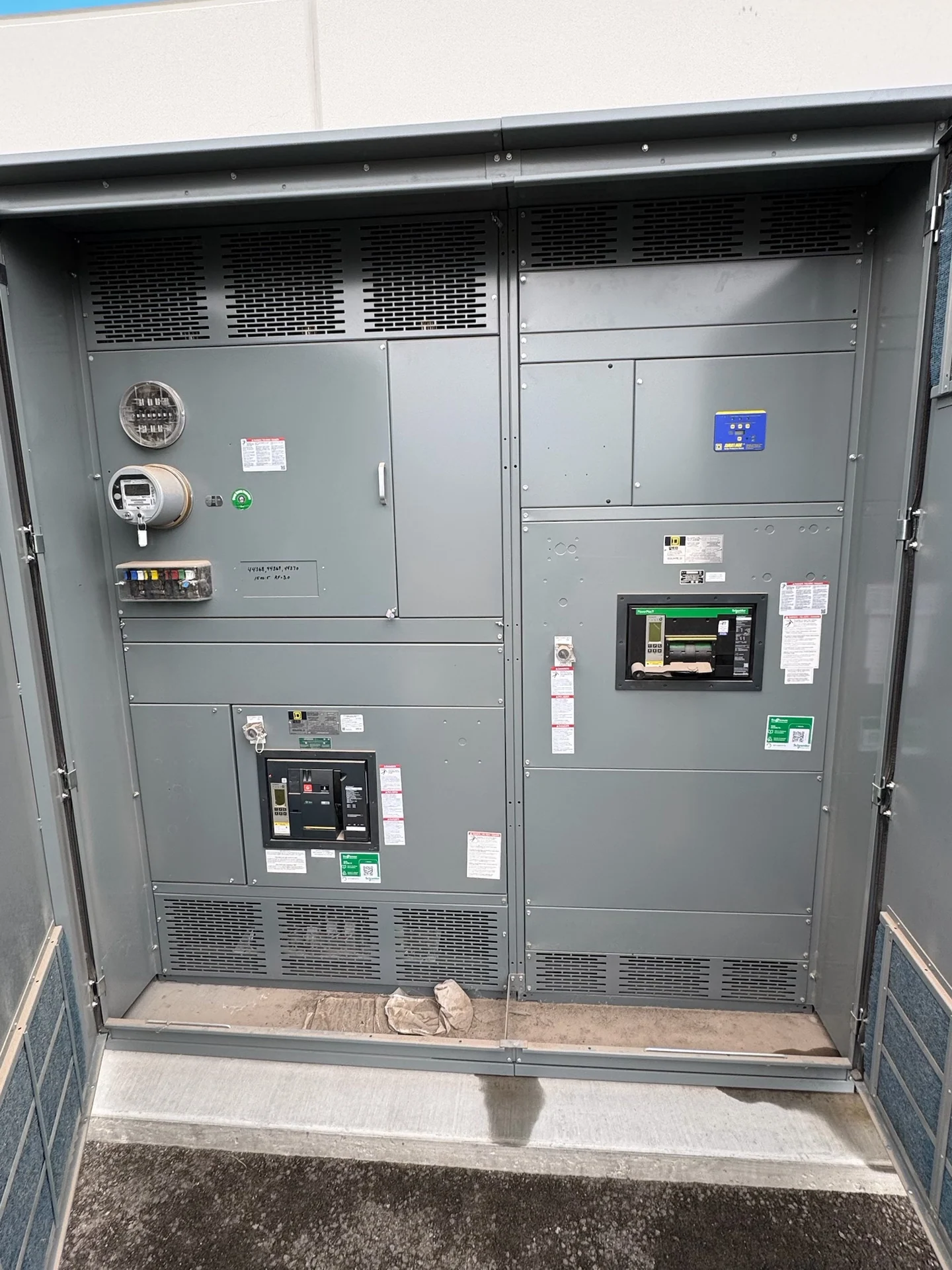
Planning switchgear for hospitals and healthcare facilities begins with the electrical narrative, not a catalog label. The design team should map normal sources, alternate sources, distribution buses, transformers, transfer equipment, and downstream loads in a coordinated one-line diagram. Separate essential functions from ordinary building demand, identify where continuity matters, and document which systems must remain available during maintenance or a source event. That information gives a manufacturer a practical basis for developing new equipment custom to the project rather than guessing from facility type alone.
Classify Loads Before Selecting Equipment
Healthcare loads can include patient-care areas, life-safety systems, medical support equipment, ventilation, imaging, laboratories, data networks, kitchens, and general building services. Their starting currents, harmonics, duty cycles, and tolerance for interruption may differ substantially. Engineers should identify feeder priorities, normal and alternate source assignments, selective coordination objectives, grounding arrangements, and any operating restrictions. A switchgear specification should translate those decisions into main devices, feeder devices, bus sections, metering, controls, and interlocks that can be reviewed against the facility distribution plan.
Coordinate Source Transfer and Interlocking
Service continuity depends on more than installing a second source. The project team must define how utility, generator, emergency, or other sources connect; which transfers are automatic or manual; whether a bus tie is normally open or closed; and how paralleling, backfeed prevention, and maintenance states are handled where applicable. Control schematics should make permissives, alarms, status points, and operator actions understandable. These details also affect compartment layout, control power, terminal blocks, communication interfaces, and the installation contractor's checkout plan.
Verify Ratings and Physical Interfaces
A healthcare switchgear inquiry should include nominal voltage, phase and wire arrangement, frequency, continuous current, available fault current, interrupting duties, bus requirements, grounding method, enclosure environment, and required protection functions. Physical information is equally important: room dimensions, working clearances, cable entry direction, conduit locations, floor loading, shipping splits, lifting access, and the route from receiving area to the electrical room. Confirming these inputs early reduces redesign caused by a lineup that fits electrically but not through doors, around turns, or within the finished room.
Plan Renovations Around Existing Operations
Hospital renovations introduce constraints that a new-build specification may overlook. Existing feeders, protective settings, short-circuit studies, architectural barriers, infection-control procedures, temporary power arrangements, and outage windows all deserve review before replacement or expansion equipment is designed. The owner, engineer, electrical contractor, facility operations team, and manufacturer should identify tie-in points and responsibilities in writing. A phased plan may require field verification, carefully sequenced shutdowns, temporary connections, and documented testing, with every decision subject to the responsible professionals and local requirements.
Build a Reviewable Manufacturer Package
Switchgear Builders manufactures new electrical switchgear in the United States, custom to specification with American components and nationwide shipping. For a healthcare project, request a package that clearly separates approved design information from items still requiring engineering confirmation. Useful submittal material can include the one-line diagram, elevations, dimensions, device schedules, control schematics, terminal information, nameplate data, shipping details, and a project-defined inspection and test plan. Ask which requirements apply to the particular assembly, including any standard or listing questions, rather than assuming a blanket certification.
Commissioning preparation should begin while the equipment package is being reviewed. Establish who will verify point-to-point wiring, device identification, control sequences, source indication, alarm contacts, interlocks, and communication points. The facility team can also identify training topics, spare documentation, access restrictions, and records needed for turnover. A clearly written acceptance process helps the manufacturer, engineer, installer, and owner resolve questions before equipment reaches the site, without substituting documentation for field approval by qualified personnel.