Start with the Treatment Process
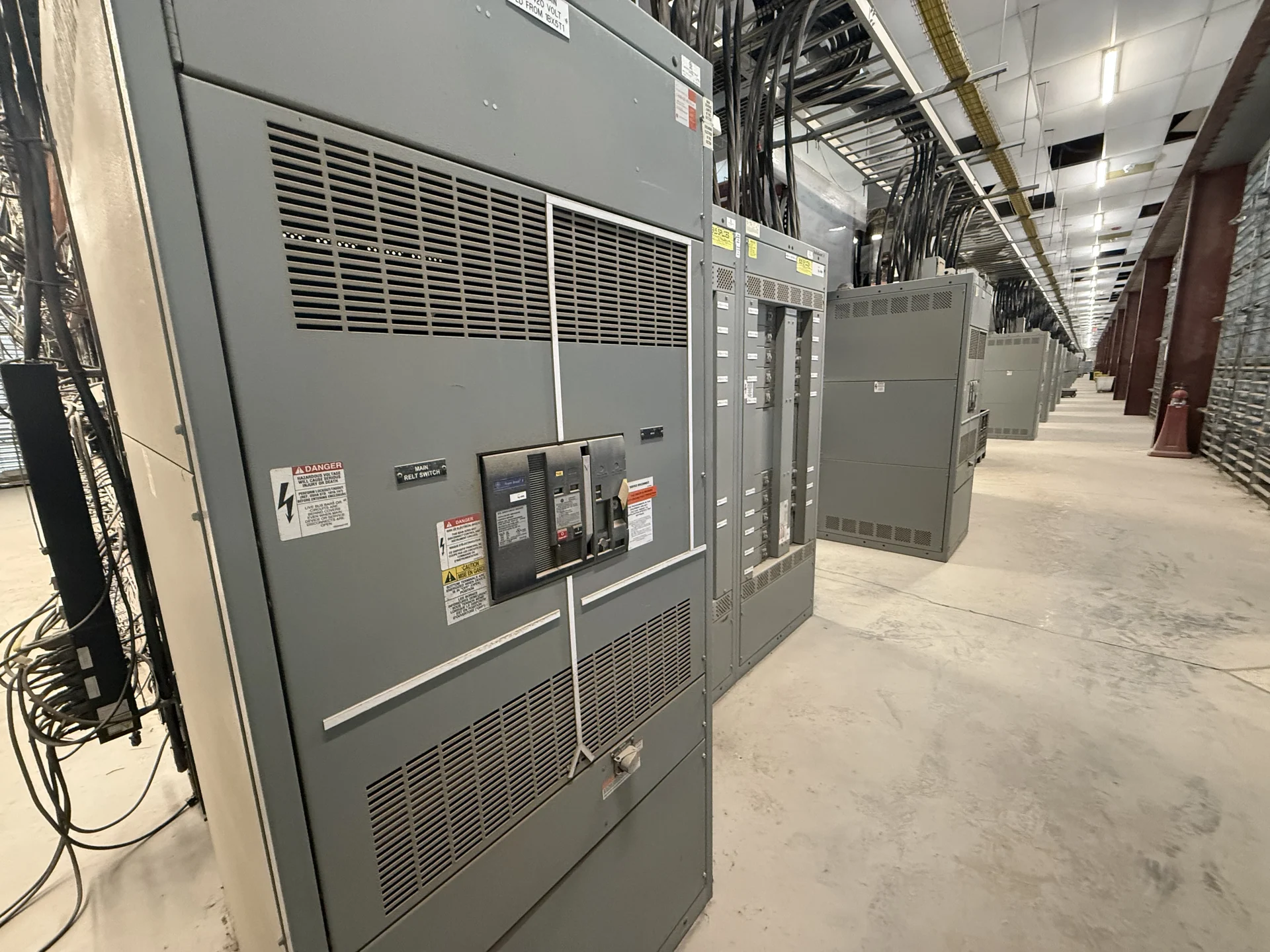
Water and wastewater facilities rarely have one uniform electrical load. Raw-water intake pumps, lift stations, aeration blowers, mixers, chemical feed systems, dewatering equipment, ventilation, lighting, and controls can each impose different starting, running, and operating requirements. A useful switchgear design begins with the process flow and a clear load schedule, then maps each load to its source, feeder, protective device, and operating priority. Switchgear Builders manufactures new electrical switchgear in the United States, custom to specification, using American components and supplying projects with nationwide shipping. The equipment package should reflect the actual treatment sequence rather than a generic lineup.
Define Pump and Motor Duties
Pump control decisions affect both the electrical arrangement and the day-to-day operation of a plant. The design team should identify motor horsepower, voltage, full-load current, starting method, variable-frequency-drive interfaces, bypass requirements, duty and standby relationships, and any automatic sequencing. Large motors may influence feeder sizing, voltage-drop review, short-circuit calculations, and coordination with upstream sources. A custom builder can use the one-line diagram, motor schedule, control narrative, and equipment interface drawings to lay out mains, feeders, starters, drives, disconnects, and control wiring with service access in mind.
Choose Ratings for the Site
Water and wastewater power distribution must be specified around the actual electrical environment. Confirm nominal system voltage, phase and wire configuration, frequency, grounding method, continuous current, available fault current, interrupting duties, bus requirements, enclosure conditions, and the space available for installation and maintenance. Outdoor areas may introduce moisture, washdown, corrosion, temperature variation, or exposure concerns that influence enclosure selection and cable entry. Indoor rooms still require attention to ventilation, working clearances, access paths, and anchorage. These inputs allow the manufacturer and project engineer to evaluate a suitable new switchgear configuration instead of assuming that a standard arrangement fits every plant.
Coordinate Sources and Essential Loads
Treatment continuity depends on the facility’s defined operating priorities, not on a blanket promise that every load will remain energized. Identify which pumps, controls, alarms, process systems, and life-safety-related functions require a normal source, alternate source, or selective restoration sequence. Then document source characteristics, generator or utility interfaces, transfer equipment, main-tie-main logic where applicable, interlocks, metering, and protection settings. The switchgear drawings should show how each source and feeder is intended to operate, while qualified electrical professionals confirm coordination, grounding, arc-flash study inputs, and field installation requirements for the specific project.
Plan Controls, Communications, and Access
A treatment plant lineup is more useful when its control and information interfaces are defined early. Specify local versus remote operation, permissives, status indications, trip alarms, breaker or switch positions, metering points, terminal arrangements, network communication needs, and the signals exchanged with the plant control system. Separate power and control routing as required by the design, label terminals consistently, and reserve practical space for testing and maintenance. The equipment layout should also account for cable bending, conduit approaches, door swing, lifting, removal paths, and the technician’s working position, not only the dimensions of the enclosure.
Build a Complete Equipment Inquiry
A detailed inquiry helps a manufacturer prepare a technically comparable proposal for water and wastewater power distribution. Include the one-line diagram, load and motor schedules, short-circuit study information, site and enclosure conditions, physical dimensions, cable entry direction, control narrative, utility requirements, drawings, testing expectations, shipping destination, and requested documentation. Identify whether project specifications reference UL 891 or another construction standard, then confirm applicability and any project-specific listing or verification before the design is finalized. Switchgear Builders can review the defined scope for a custom new build and coordinate nationwide shipping details, packaging, receiving access, and responsibilities with the project team.