Start with the Hartford Project Definition
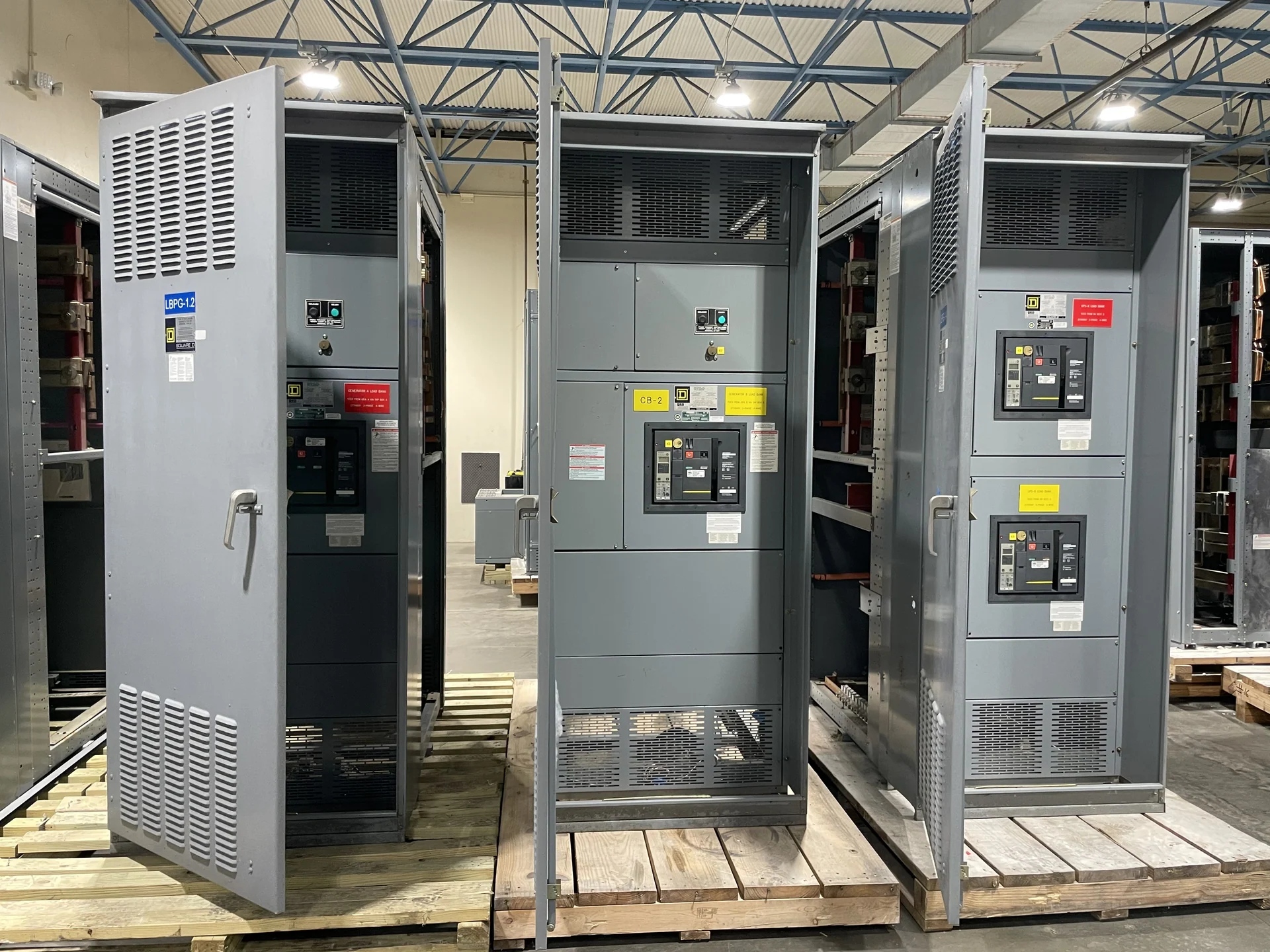
A Hartford electrical distribution project should begin with a clear description of the facility, utility service, normal operating mode, critical loads, and planned expansion. For a data center, that definition may include separate power paths, generator-backed buses, maintenance bypass objectives, and the boundary between incoming service equipment and downstream UPS systems. Identify the one-line diagram, nominal voltage, phase and wire arrangement, available fault current, grounding method, continuous current, and environmental conditions before requesting a switchgear proposal. Switchgear Builders manufactures new electrical switchgear in the United States, builds custom to specification with American components, and can coordinate nationwide shipping for the defined equipment package.
Coordinate Redundant Distribution Paths
Redundancy is a design relationship, not simply a count of mains or lineups. The project team should document which source feeds each bus, whether a tie is normally open or closed, how sources are interlocked, and which loads may be transferred during maintenance or an abnormal condition. In a Hartford data-center application, review physical separation, cable routing, maintenance access, and the possibility that a shared upstream device could defeat intended independence. A custom lineup should reflect the approved operating sequence, protective-device coordination study, metering needs, control power arrangement, and installer interfaces rather than relying on a generic main-tie-main description.
Plan Generator and Backup Interfaces
Backup-source integration requires more than connecting a generator feeder to a bus. Confirm generator voltage, phase sequence, neutral and grounding treatment, fault contribution, breaker functions, transfer equipment interfaces, synchronization requirements where applicable, and the control signals exchanged between devices. Define what happens during source failure, generator availability, retransfer, testing, and manual operation, then have the responsible electrical engineer resolve the sequence. Switchgear drawings should identify terminals, CT and PT requirements when applicable, protective functions, source labels, interlocks, and cable entry points. These inputs help a manufacturer build equipment that matches the project documents without assuming a particular generator or control package.
Account for Maintenance and Room Access
Data-center distribution equipment must be evaluated in the room where it will be installed, serviced, and eventually replaced. Provide room dimensions, equipment orientation, working clearances, door and hallway dimensions, floor loading information when relevant, cable-trench or overhead-entry details, heat and ventilation constraints, and the intended lifting route. Compare fixed and drawout arrangements only after considering service procedures, arc-flash study inputs, isolation points, interlocks, and the facility’s operating policy. A Hartford project may involve phased construction or an occupied facility, so the quote package should distinguish the new lineup, field connections, installation responsibilities, testing scope, and documentation expected at turnover.
Review Ratings and Protective Coordination
The equipment specification should reconcile calculated load current with continuous ratings, interrupting duties, bus withstand requirements, voltage class, enclosure conditions, and the protective settings selected by the design team. Review transformer impedances, generator contributions, utility data, motor loads, UPS characteristics, and downstream breaker curves when developing the available-fault-current and coordination picture. Equipment ratings must be determined from the electrical system, the available fault current, and the project requirements. If the project specification references UL 891, confirm its applicability, construction requirements, and any project-specific listing or verification before fabrication.
Prepare a Complete Manufacturer Inquiry
A useful inquiry for Hartford Connecticut switchgear should include the latest one-line diagram, equipment schedule, load calculations, fault-current information, control schematics, floor plan, elevation or footprint limits, cable details, environmental requirements, shipping destination, and requested submittal documents. State whether the equipment is indoor or outdoor, identify source and feeder quantities, describe metering and communications needs, and list witness or inspection expectations for review. Customers buying new switchgear directly from the manufacturer should also identify the engineer of record, electrical contractor, site contact, delivery constraints, and installation scope. Switchgear Builders can use that defined information to develop a custom proposal for American-built equipment and nationwide shipment, with project-specific commercial and technical terms confirmed in writing.