Start with the Healthcare Electrical Duty
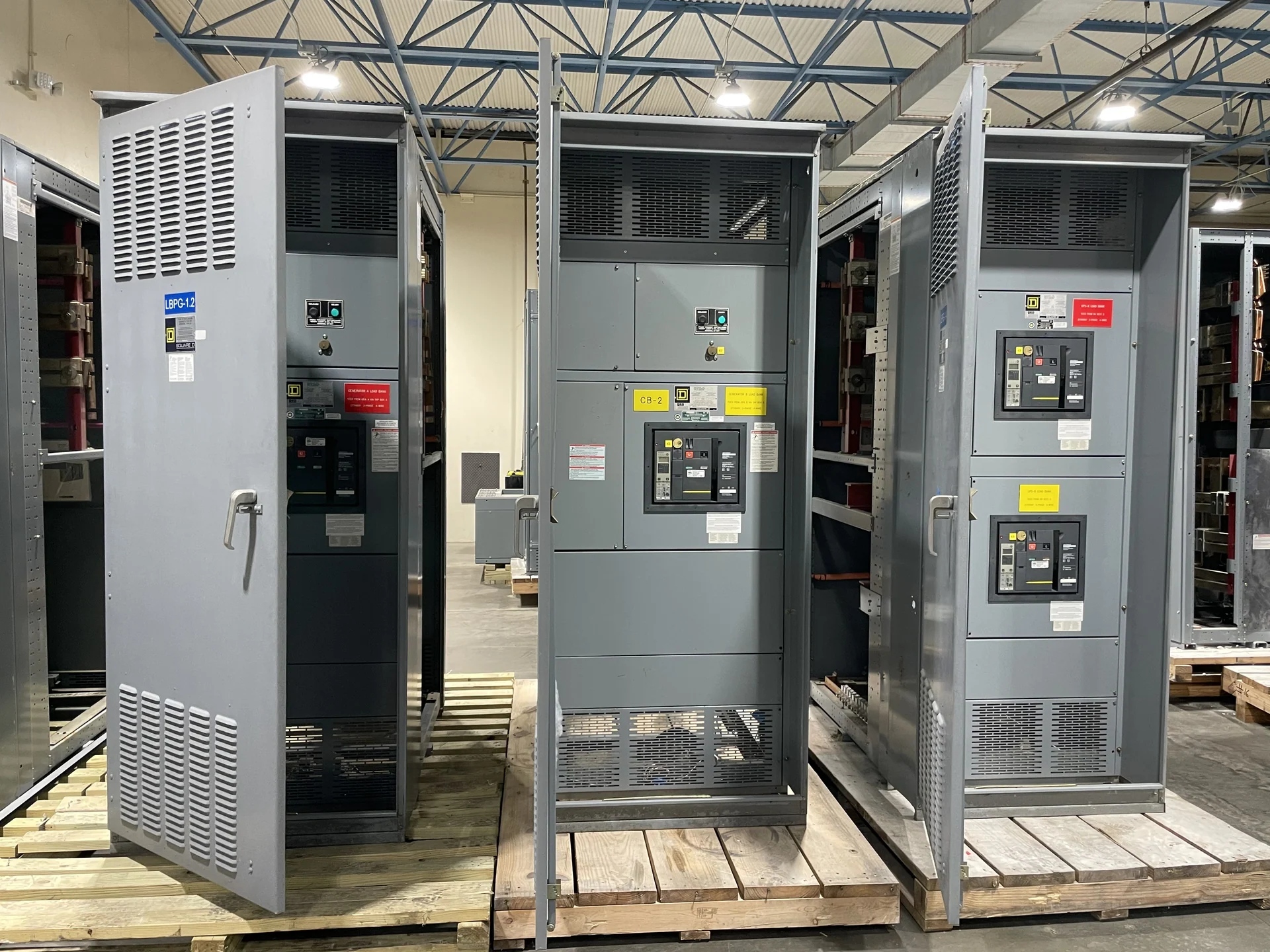
A Bridgeport healthcare project should begin with the electrical duty, not a catalog label. Identify normal sources, legally required and critical branches, generator sources, transfer equipment, downstream distribution, and loads that cannot tolerate the same interruption. A hospital, outpatient facility, laboratory, or specialty-care building may divide essential loads differently, so the one-line diagram, load schedule, grounding method, voltage, phase, available fault current, and growth allowance become the foundation for a manufacturer-built lineup. Switchgear Builders manufactures, builds, and supplies new electrical switchgear in the United States, custom to project specifications, with American components and nationwide shipping. A useful inquiry explains the application rather than assuming one standard arrangement fits every facility.
Coordinate Source Transfer and Distribution
Transfer sequencing deserves a written operating description. Define what initiates transfer, which source is preferred, whether an open or closed transition is required, how retransfer is authorized, and what happens when a source is unavailable during testing. Then map each main, tie, feeder, breaker, interlock, control circuit, and emergency branch to that sequence. The equipment design should preserve clear separation between power conductors and control wiring while leaving practical access for inspection and maintenance. Engineers and installers should resolve generator neutral treatment, bypass provisions, metering, remote indications, and control interfaces before fabrication. These decisions affect enclosure arrangement, device selection, wiring diagrams, and field connections.
Account for Bridgeport Project Conditions
The Bridgeport project location influences coordination even when equipment is manufactured elsewhere and shipped nationwide. Document the destination, electrical-room dimensions, door and corridor clearances, floor loading, lifting route, delivery restrictions, indoor or outdoor exposure, ambient conditions, and any seismic or environmental criteria stated by the engineer. Existing campus work may also require phasing, shutdown boundaries, temporary power coordination, or a carefully sequenced tie-in, but those constraints must come from the site team rather than assumption. A dimensioned room plan and equipment movement path help the manufacturer develop shipping sections, lifting provisions, cable-entry locations, and interface details that installers can review before release.
Specify Protection, Ratings, and Documentation
A healthcare backup-power lineup needs consistent rating inputs across the complete distribution path. Provide nominal voltage, frequency, phase and wire arrangement, continuous current, interrupting or withstand duty as applicable, source fault contribution, conductor sizes, protective-device preferences, and coordination-study assumptions. Identify metering points, alarm contacts, communications, control power, and the records required for commissioning. If the project specification references UL 891, confirm its applicability to the exact assembly, construction, and intended use; any project-specific listing or capability must be confirmed rather than presumed. The submittal package can then align one-lines, elevations, elementary diagrams, wiring schedules, device data, terminal plans, and test procedures with the approved design.
Plan Fabrication, Review, and Shipment
Custom equipment is easier to manage when review gates are explicit. A practical sequence is requirements collection, design development, drawing review, component confirmation, fabrication, assembly inspection, electrical checks, functional verification, documentation, packaging, and shipment. Acceptance criteria and witness expectations should be agreed before production, while installers should confirm field termination details, anchorage responsibilities, lifting equipment, and receiving inspection steps. Switchgear Builders can coordinate a new custom build around the approved scope and ship across the United States; project-specific production capacity, availability, transit estimates, and freight terms must be confirmed for the individual order. The customer remains responsible for site readiness and qualified installation coordination.
Prepare a Complete Manufacturer Inquiry
For a Bridgeport healthcare backup-power inquiry, send the latest single-line diagram, equipment schedules, load and fault studies when available, generator and transfer requirements, room drawings, environmental information, utility or authority requirements, and the desired documentation list. State whether the request covers a new lineup, an expansion interface, or replacement within an existing distribution scheme, and identify the people who approve technical and commercial submittals. Include the shipping destination, access constraints, project contacts, and field installation responsibilities. This information lets an American manufacturer respond to the actual electrical and physical scope, identify open questions, and prepare a quote for new switchgear that aligns with the facility’s engineering review.