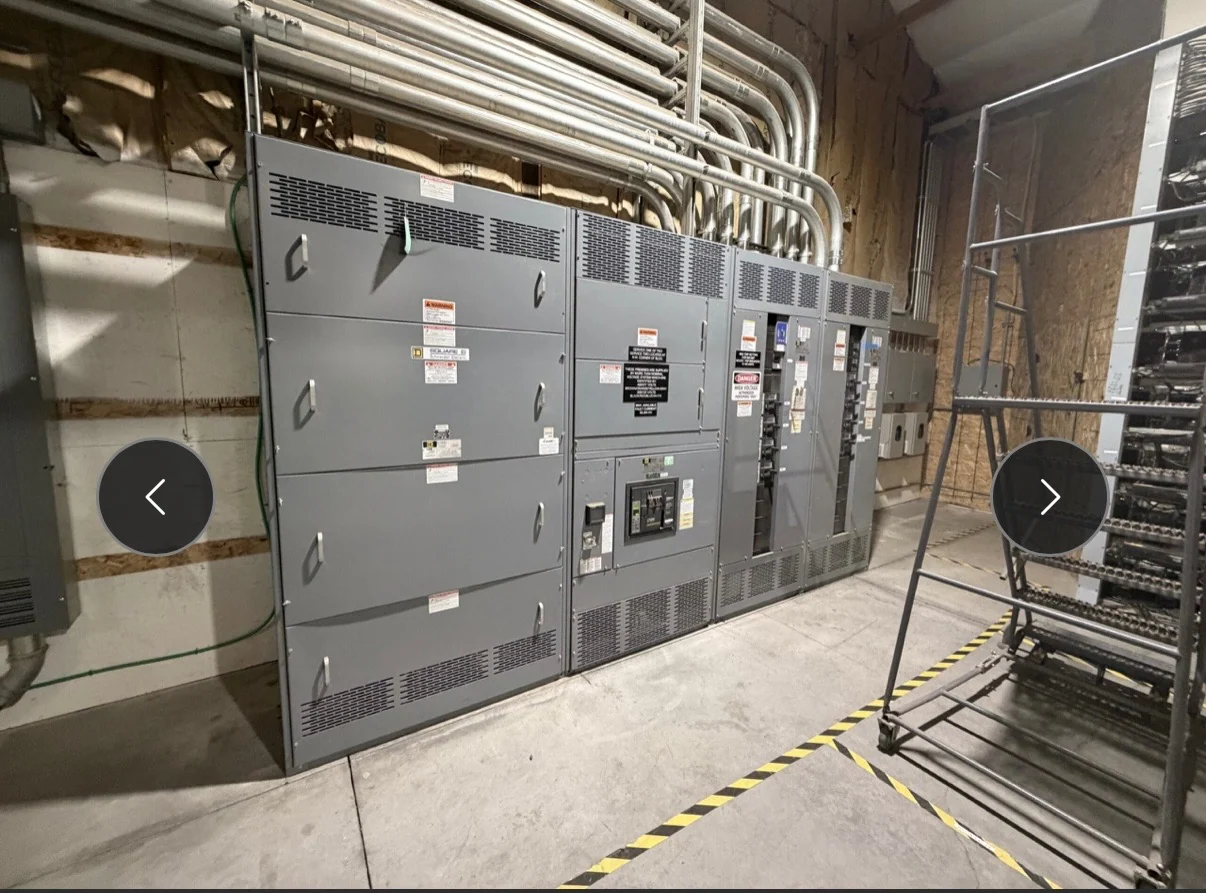
Plan the Expansion Before Choosing Equipment
A New Jersey facility expansion often adds feeders while the existing electrical distribution remains in service, so the first task is to define the new load and the points where it will connect. Gather the one-line diagram, utility information, calculated demand, available fault current, voltage and phase, grounding method, environmental conditions, and the intended operating sequence. Note whether the project adds production equipment, building services, or a separate tenant area. Switchgear Builders manufactures new electrical switchgear in the United States, custom to specification, using American components and supplying projects with nationwide shipping. The proposed equipment must be matched to an engineered project scope and reviewed against the application requirements.
Connect New Feeders to Existing Distribution
New feeders must work electrically and physically with the equipment already serving the site. Compare the existing main and feeder ratings, bus arrangement, protective-device characteristics, conductor entry direction, termination space, grounding connections, and control interfaces with the proposed lineup. Check whether a new section can be installed as a coordinated lineup or whether the design needs a defined interface between separate assemblies. A field survey should record dimensions, obstructions, working clearances, cable routing, access paths, and equipment identification. Clear photographs and current drawings help the manufacturer distinguish documented conditions from assumptions before a custom New Jersey electrical distribution package is quoted.
Account for Load Growth and Protection
Facility expansion decisions should address both present demand and credible future additions without selecting ratings by guesswork. The design team can identify continuous loads, motor starting conditions, nonlinear loads, diversity assumptions, spare feeder positions, and the physical allowance needed for later work. Available fault current and the required interrupting or withstand characteristics must be confirmed for the actual service point and distribution arrangement. Protective-device coordination should be reviewed across utility, mains, ties, and feeders, with settings based on an engineer's study. A larger enclosure or spare space may support future flexibility, but it also affects footprint, cost, shipping, and installation planning.
Schedule Outage and Tie-In Work
An outage window is an engineering and construction constraint, not merely a preferred delivery date. Identify which loads can be interrupted, which must remain energized, whether temporary power is contemplated, and who controls switching and authorization at the site. The proposed operating sequence should explain source isolation, bus-tie positions, feeder transfers, testing boundaries, and return-to-service steps. Coordinate the equipment split, lifting path, rigging responsibilities, cable preparation, field terminations, and inspection activities with the electrical contractor and qualified site personnel. The manufacturer can use this information to develop a practical new-equipment scope, while project-specific service and delivery details remain subject to review and confirmation.
Design Around New Jersey Site Conditions
A New Jersey project may involve an indoor electrical room, an outdoor installation, constrained urban access, coastal exposure, industrial contaminants, or a phased renovation; the equipment specification should state the actual conditions instead of relying on the state name alone. Document ambient temperature range, moisture, corrosive agents, elevation, seismic or anchorage requirements when applicable, enclosure location, ventilation, and maintenance clearances. Confirm utility and authority requirements through the responsible project professionals. If UL 891 is relevant to the proposed assembly, confirm its applicability and any listing requirements for that particular project.
Prepare a Useful Manufacturer Inquiry
For a focused switchgear inquiry, send the project location in New Jersey, equipment type, one-line diagram, nominal voltage, frequency, phase and wire configuration, continuous current needs, fault-duty information, enclosure environment, main and feeder device requirements, metering or control points, dimensions, cable entry preferences, and documentation expectations. Include the expansion narrative, existing-equipment interface drawings, desired outage constraints, shipping access, destination contact, and any engineer or utility review notes. Ask the manufacturer to identify exclusions, assumptions, required approvals, testing scope, freight responsibilities, and open technical questions in the quotation. These details give the manufacturer a basis for discussing new custom switchgear, nationwide shipment, field responsibilities, and project-specific delivery expectations.