Plan the Jersey City Distribution Scope Before Layout
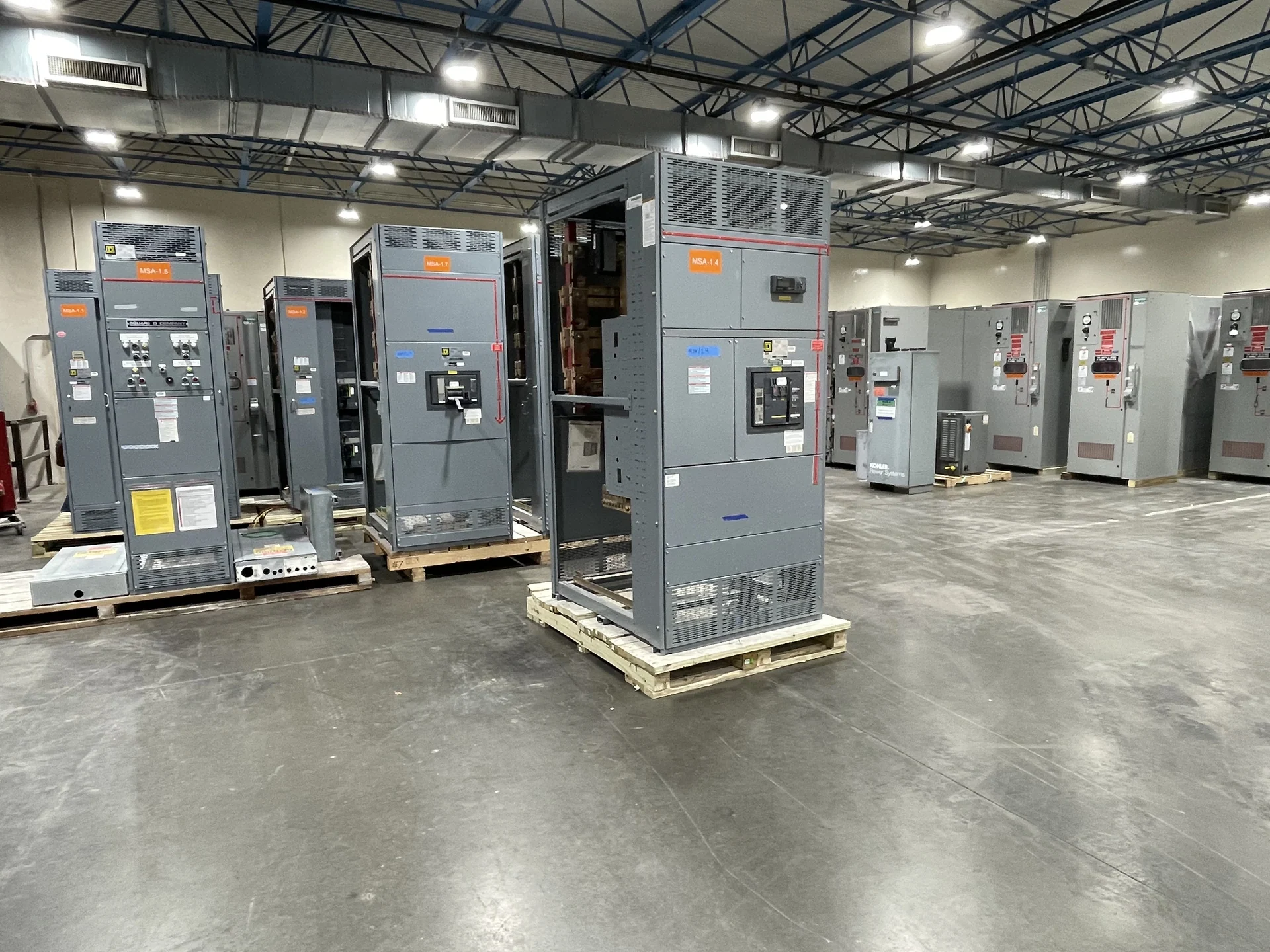
A Jersey City electrical distribution project should begin with a defined scope rather than a preferred enclosure or breaker arrangement. For a facility expansion, collect the utility interface, service or feeder voltage, phase and frequency, calculated demand, available fault current, grounding method, future load allowance, and the intended operating sequence. Identify whether the new lineup serves added floors, process loads, tenant areas, or a separate building section. A manufacturer can use these inputs, the one-line diagram, schedules, and site constraints to develop new custom switchgear built to the project specification. Switchgear Builders manufactures, builds, and supplies new electrical switchgear in the United States with American components and nationwide shipping; final configuration remains subject to engineering review and the requirements of the particular site.
Coordinate New Feeders With Existing Equipment
New electrical feeders must connect to the broader distribution system without treating the existing lineup as an isolated drawing symbol. Document bus ratings, protective-device types, connection points, cable entry direction, phase identification, neutral and grounding arrangements, metering interfaces, control voltage, and available physical space. Field dimensions and photographs can reveal door swing conflicts, obstructions, routing limitations, or maintenance access issues that older drawings omit. The design team should also clarify whether the expansion requires a new main, feeder section, tie arrangement, or a separately coordinated lineup. This interface review helps a custom manufacturer distinguish what can be carried forward from what must be engineered as new equipment, while avoiding assumptions about compatibility.
Account for Load Growth and Protection Coordination
Facility expansion often changes both the quantity and character of connected loads. Provide load calculations that distinguish continuous loads, motor starting requirements, nonlinear equipment, emergency or standby sources, and anticipated future circuits. Protective-device selections should reflect interrupting duty, continuous current, selective coordination objectives, ground-fault protection where applicable, and the results of the project's short-circuit and coordination studies. A main-tie-main or other source arrangement may affect interlocking, operating sequences, and the way feeders are divided. These decisions belong in the approved one-line and equipment schedule; a quote should identify assumptions clearly so the delivered switchgear does not silently rely on an unconfirmed rating, setting, or future capacity.
Design Around Outage Windows and Installation Access
In an occupied Jersey City facility, the outage window may be more restrictive than the electrical room footprint. Build the installation plan around shutdown boundaries, temporary power responsibilities, equipment isolation, testing access, and the sequence for connecting new feeders. Confirm door, corridor, elevator, loading, rigging, and floor-loading constraints before choosing shipping splits or enclosure dimensions. The project team should assign responsibilities for demolition, field terminations, torque verification, energization, and acceptance testing rather than leaving them implicit in a purchase order. Switchgear Builders can coordinate a new custom equipment package and nationwide shipment from the manufacturer's side, while the owner, engineer, contractor, and qualified site personnel establish the safe installation and commissioning plan.
Specify Enclosure, Environment, and Documentation Needs
A useful Jersey City switchgear specification addresses the installation environment as well as the electrical ratings. State whether the equipment is indoors or outdoors, identify exposure to moisture, dust, corrosive conditions, or temperature variation, and define the enclosure requirements appropriate to that location. Include lineup dimensions, cable compartments, lifting provisions, access clearances, device identification, control wiring, metering, communications, and spare provisions where they are genuinely required. Request submittal drawings, bills of material, wiring diagrams, nameplate data, and project-specific test records in the quote scope. If UL 891 is referenced, confirm its applicability, construction requirements, and any listing or verification needed for this specific project instead of assuming a blanket result.
Request a Manufacturer Quote for New Switchgear
When requesting pricing for Jersey City new switchgear, send the manufacturer a concise technical package: project location, one-line diagram, load and fault information, preferred lineup arrangement, feeder schedule, dimensions, cable details, control philosophy, environmental conditions, documentation list, shipping destination, and desired commercial terms. Ask the quote to separate equipment scope, optional devices, testing, drawings, packaging, freight assumptions, and site work so competing proposals can be compared on equivalent terms. The customer buys the new equipment directly from the manufacturer and coordinates delivery and field responsibilities for the project. Switchgear Builders serves United States projects with custom-to-spec manufacturing, American components, and nationwide shipping; availability, schedule, freight details, and project-specific requirements should be confirmed in writing for the inquiry.