Plan the Columbus-Area Distribution Scope
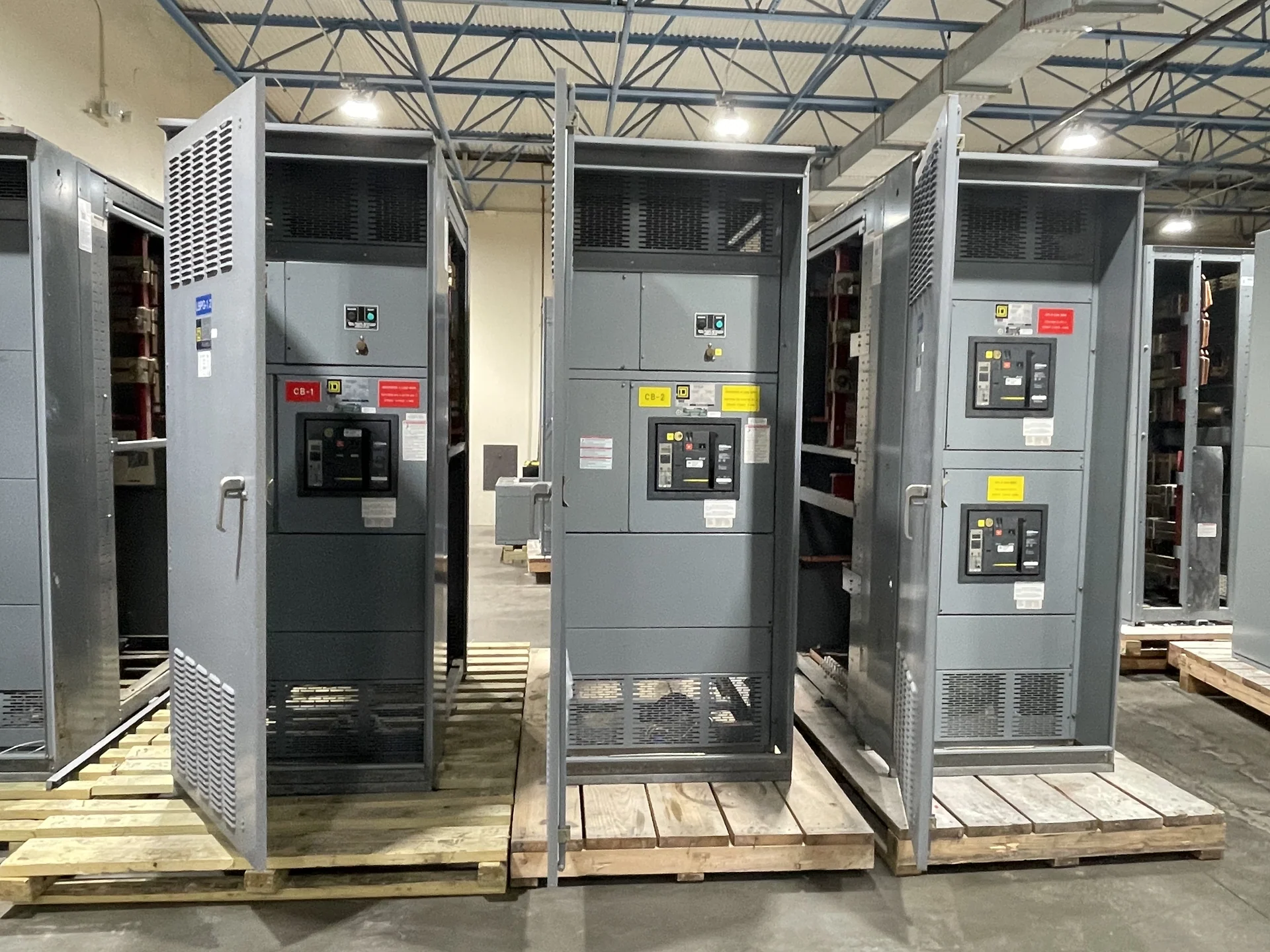
Electrical distribution projects in Columbus, Ohio can involve a combination of industrial pumps, conveyors, process machinery, utility services, and building loads. A useful switchgear or motor control center inquiry starts by separating those load groups and identifying how each one is supplied, protected, started, stopped, and monitored. Switchgear Builders manufactures new electrical equipment in the United States, builds custom to specification, uses American components, and supplies projects nationwide. The project team should still confirm the applicable equipment type, source arrangement, environmental conditions, and installation responsibilities for the particular site before a design is finalized. Also identify whether production must continue during maintenance, whether loads are sequenced after an interruption, and which signals must reach a supervisory control system. Those answers influence lineup organization and control documentation.
Match Motor Starters and Drives to the Load
Pump and conveyor duty should be described rather than reduced to a motor horsepower label. Engineers and procurement teams should identify motor voltage, phase, full-load current, starting method, duty cycle, acceleration requirements, reversing needs, and whether variable frequency drives are under consideration. Across-the-line starters may suit some straightforward loads, while drives can support controllable speed or process sequencing but introduce heat, harmonics, bypass, and service-access questions. A custom lineup should reserve the space, ventilation approach, terminations, and control interfaces required by the selected devices, subject to engineering review.
Coordinate Protection and Control Interfaces
Motor protection is a system coordination task involving overload protection, short-circuit protection, feeder protection, disconnecting means, and the upstream distribution arrangement. The design team should provide available fault current, system voltage, grounding method, protective-device preferences, and coordination-study inputs so device ratings and settings can be reviewed together. Control information matters just as much: identify local and remote commands, permissives, emergency-stop circuits, status contacts, interlocks, alarm points, and communication requirements. Clear point lists and an operating sequence reduce ambiguity between the equipment builder, controls contractor, and installer. Review how a failed starter, drive, or control circuit should be indicated, and decide whether troubleshooting requires front access, removable components, or a defined isolation procedure.
Design for the Columbus Site and Installation Path
A Columbus project requires site-specific attention to the electrical room or outdoor location, available footprint, working clearances, cable entry, lifting route, foundation or housekeeping pad, ambient conditions, and maintenance access. Drawings should show lineup dimensions, shipping splits, device locations, wireway or terminal areas, and interfaces with transformers, feeders, field instruments, and automation systems. The owner and installing contractor should verify local project requirements and jurisdictional expectations. Nationwide shipping can be coordinated around the destination, packaging, freight terms, receiving access, and responsibilities for on-site movement; transit and availability must be confirmed for the individual order.
Prepare a Manufacturer Quote Package
For a productive custom switchgear or motor control center quote, send the latest one-line diagram, motor schedule, load list, control schematics, floor plan, equipment elevations, short-circuit information, specifications, and requested documentation. Note whether the package includes starters, drives, metering, spare spaces, network connections, testing, or field accessories, and identify exclusions that another contractor will furnish. If a project specification references UL 891, confirm whether that standard applies to the proposed assembly and review any listing or project capability requirement for that specific configuration. A manufacturer can then align the new equipment scope with the actual electrical and installation interfaces rather than guessing from a location alone. It is also helpful to identify the reviewing engineer, preferred drawing format, submittal milestones, receiving contact, and any restrictions on delivery vehicles or unloading.