Plan the Source Arrangement First
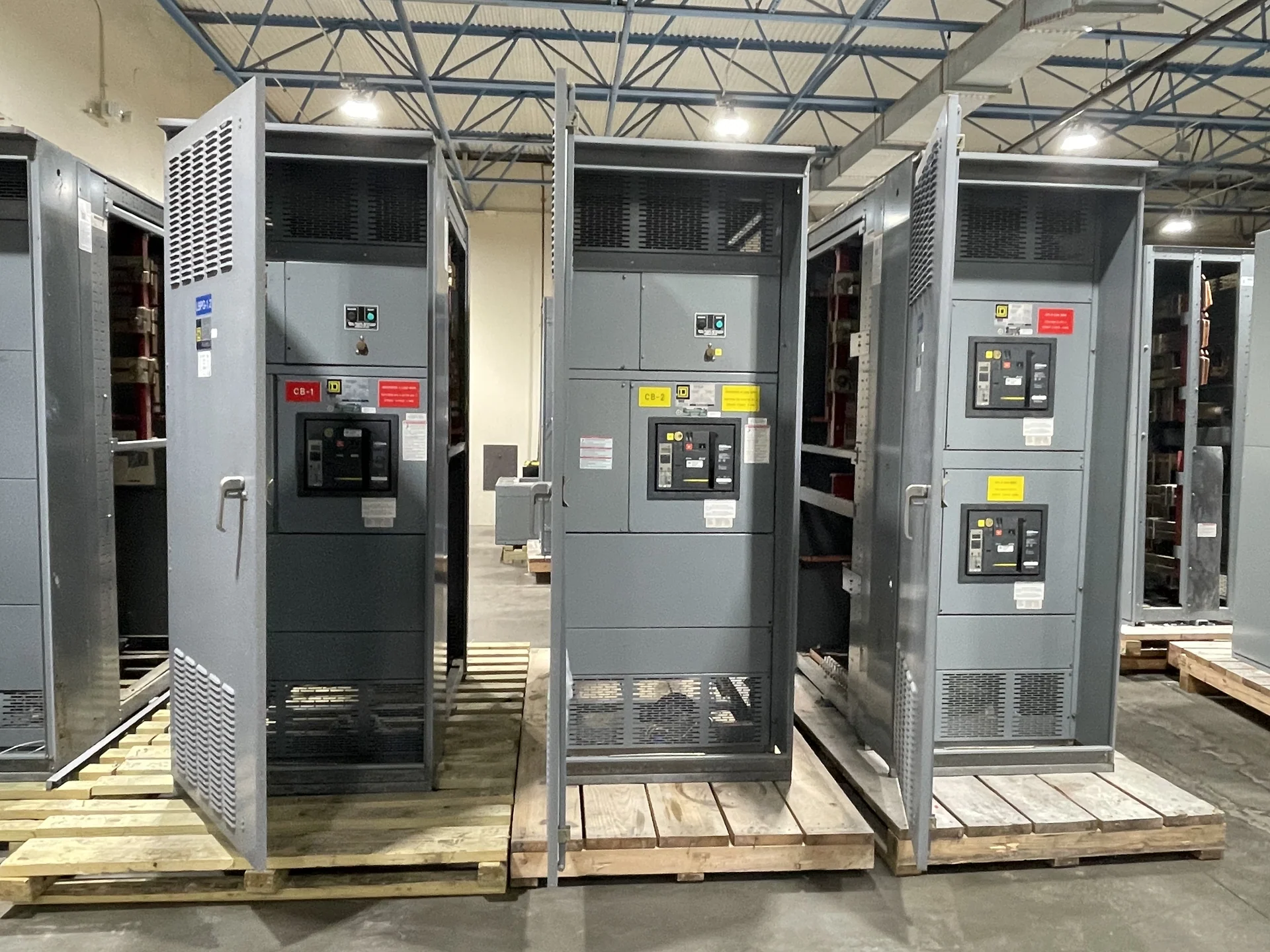
Pennsylvania facilities planning automatic transfer switches for critical facility loads should begin with a clear source map, not a device name alone. Identify the normal source, alternate source, essential branches, and any loads that must remain energized during source loss. A manufacturer can build new switchgear and associated distribution equipment to project requirements, using the one-line diagram, source capacities, fault information, grounding method, and intended operating sequence as design inputs. For a Pennsylvania electrical distribution project, the design team should also document whether the alternate source is a generator, a second utility service, or another engineered source, because each arrangement affects switching, protection, controls, and coordination.
Match Transfer Capacity to Critical Loads
Automatic transfer switch selection depends on more than the connected load total. Review continuous current, motor starting demand, inrush, nonlinear loads, emergency operation, and the available capacity of both sources. A critical facility may divide life-safety, legally required, operational, and optional loads into different transfer groups so the alternate source is not overloaded when an outage occurs. The equipment specification should identify voltage, phase, frequency, pole configuration, neutral treatment, short-circuit duty, bypass or isolation needs, and control power. Those details allow Switchgear Builders to evaluate a custom new assembly rather than treating every Pennsylvania switchgear inquiry as a standard package.
Define the Transfer Sequence
The operating sequence should state what the automatic transfer switch senses, how long it waits before initiating transfer, and what conditions permit retransfer to the normal source. Engineers should address source availability thresholds, generator start signaling, in-phase or open-transition requirements where applicable, time delays, manual controls, alarm contacts, and permissive interlocks. If several transfer switches serve related loads, their sequencing can influence generator loading and downstream restoration. Put the sequence in written form and review it with the electrical engineer, controls team, facility operator, and installer before fabrication. A manufacturer-built lineup can then reflect the intended logic, wiring interfaces, labeling, and access requirements.
Coordinate Protection and Grounding
Protection must be reviewed across both normal and alternate source conditions. The available fault current may differ by source, while generator impedance, feeder length, transformer characteristics, and breaker settings affect selective coordination. Confirm the interrupting and withstand duties applicable to each assembly, then coordinate overcurrent devices, transfer equipment, downstream distribution, and any protective relays through an engineering study. Grounding and bonding details deserve equal attention, especially where a switched neutral, separately derived generator source, or service interface changes the current path. UL 891 applicability, if relevant to the proposed assembly, must be confirmed for the specific project along with any required construction or evaluation path; it should not be assumed from a location or product label.
Design for Pennsylvania Installation Conditions
A Pennsylvania project still needs site-specific physical planning even when the equipment is coordinated remotely. Record the electrical-room dimensions, working clearances, door and pathway limitations, floor loading, cable-entry direction, ventilation needs, environmental exposure, and available maintenance space. Consider winter access, moisture control, and the route from receiving to the final room without assuming a particular building or site condition. The quote package should identify shipping sections, lifting points, approximate weights when available, split-line preferences, and who is responsible for unloading and rigging. Switchgear Builders manufactures new equipment in the United States with American components and can coordinate nationwide shipping details around the destination and project requirements.
Prepare a Complete Manufacturer Inquiry
A useful inquiry should include the latest one-line diagram, load schedule, source data, protective-device requirements, control narrative, floor plan, elevation constraints, cable schedules, metering needs, communication points, and documentation list. State whether the request is for a new lineup, an expansion, or equipment that interfaces with existing distribution, while identifying the boundaries of the manufacturer's supply. Ask for assumptions, exclusions, required approvals, test records, drawings, shipping splits, and questions that need engineering resolution. Customers buying new Pennsylvania switchgear can compare proposals more fairly when each manufacturer receives the same technical baseline and project-specific service, delivery, and shipping details are confirmed in writing.