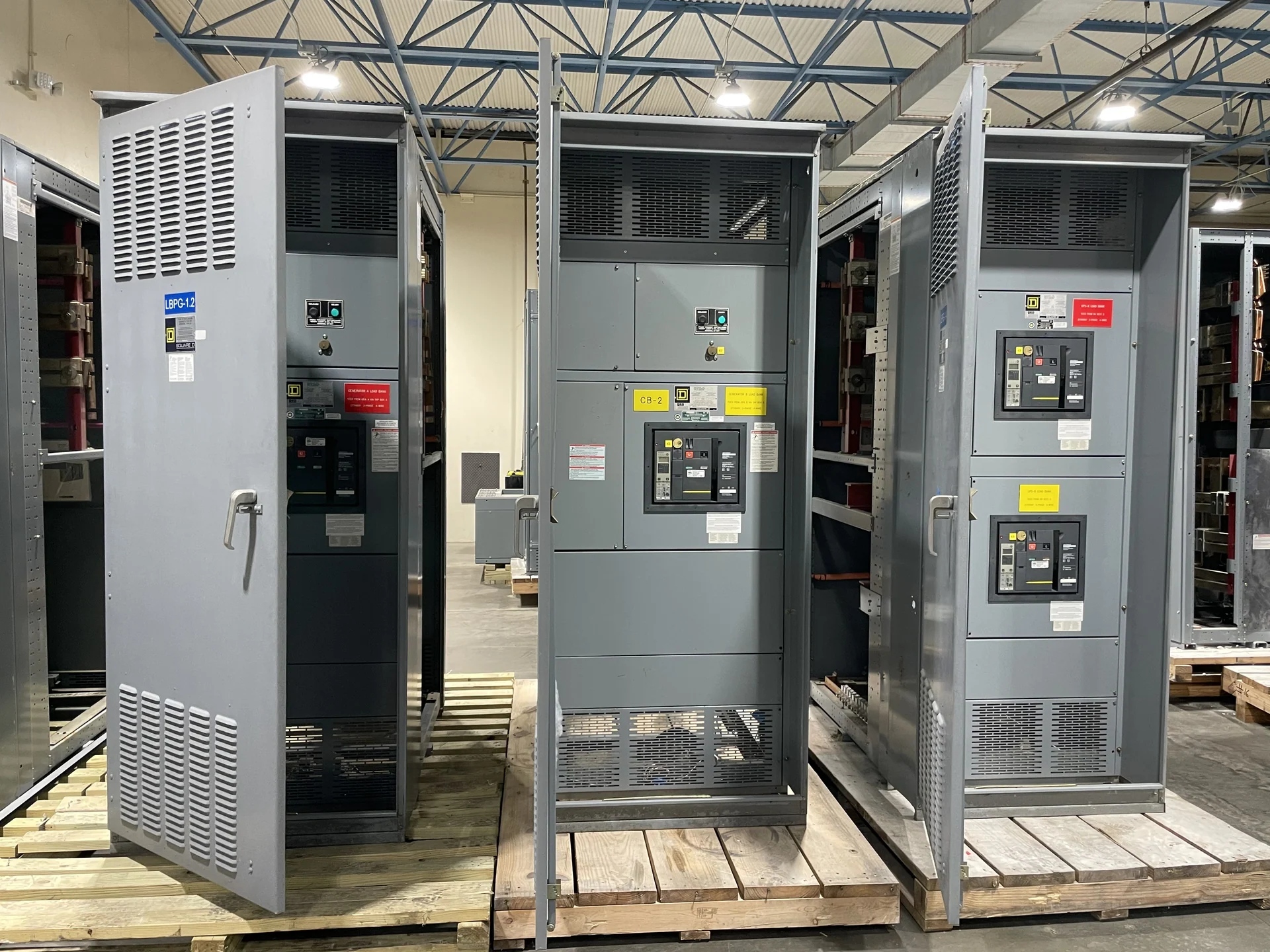
Start With the Expansion Load Plan
Switchgear for facility expansion in Providence, Rhode Island should begin with a documented electrical scope rather than an enclosure size or preferred breaker brand. Identify the existing service arrangement, proposed building or process loads, voltage, phase, frequency, feeder count, continuous current, available fault current, grounding method, and anticipated load growth. Separate normal, standby, and selectively critical loads so the new lineup can be evaluated against the intended operating sequence. A one-line diagram, load schedule, site photographs, and utility information give a manufacturer useful context for a project-specific equipment review. If the expansion is phased, show which feeders belong in the first installation and which spaces or provisions are future options, without assuming those provisions can be added later unless the design confirms them.
Map Existing Equipment Interfaces
New feeders must connect to an electrical system whose physical and electrical details are often more restrictive than the floor plan suggests. Record existing switchgear or switchboard dimensions, bus orientation, cable entry direction, termination space, conductor sizes, phase identification, ground connections, and accessible working areas. Confirm whether the expansion equipment will be a separate lineup, an extension, or a coordinated assembly beside existing equipment; those choices affect shipping sections, joining points, protection settings, and installation work. For a Providence project, provide field-verified dimensions and photographs from safe locations, plus available drawings and nameplate data. The manufacturer can then distinguish confirmed inputs from items that require an engineer, utility, or installer to verify before fabrication.
Design Around Space and Installation Access
Available space includes more than the footprint shown on an electrical room plan. Review working clearances, door swings, equipment removal paths, ceiling height, turning radii, housekeeping pads, cable-tray approaches, ventilation, and the route from the receiving point to the final position. A custom switchgear build can be shaped around project dimensions and interfaces, but the design still needs a practical means of unloading, moving, joining, terminating, and inspecting each section. Note whether the Providence facility has restricted delivery hours, stairs, loading limitations, weather exposure, or a shared path through an operating area. These constraints should be part of the inquiry so packaging, shipping splits, lifting provisions, and site responsibilities can be discussed before release.
Coordinate Outage Windows and Cutover Work
Facility expansion work frequently involves energized operations, temporary power decisions, and a defined outage window for final connections. Describe the planned cutover sequence, shutdown boundaries, required notifications, temporary feeders, testing access, and responsibilities for the engineer, electrical contractor, utility, commissioning team, and facility operator. Do not treat a proposed delivery or installation date as established until drawings, component choices, approvals, and site readiness are confirmed for the specific project. A manufacturer can use the sequence to organize equipment sections, control wiring, labels, and documentation, while the project team determines safe work practices and required permits. The resulting plan should identify which checks occur before energization and who accepts each result.
Specify Protection, Controls, and Documentation
A useful custom switchgear request explains how the expansion should operate, not merely how many feeders are desired. Include main and feeder protective-device functions, interrupting or withstand requirements as applicable, metering points, alarm contacts, remote indications, interlocks, shunt or undervoltage functions, control power, communications, and the desired normal-source or tie sequence. Protection coordination and arc-flash analysis belong with the project engineer and must use the actual system study inputs and device settings. Request drawings, bills of material, wiring diagrams, terminal schedules, nameplate information, inspection records, and agreed test documentation as applicable. If UL 891 is referenced, confirm its applicability, construction requirements, and any project-specific listing expectations before the design is finalized; do not assume one standard covers every equipment arrangement.
Prepare a Manufacturer Quote Request
When requesting information for switchgear for facility expansion and new electrical feeders, send one organized package that identifies the Providence, Rhode Island destination, project stage, required equipment scope, governing drawings, ratings, environmental conditions, interfaces, and requested documentation. Switchgear Builders manufactures new electrical switchgear in the United States, builds custom to specification, uses American components, and supplies equipment for nationwide shipping. Project review should confirm component selections, manufacturing details, shipping splits, commercial terms, and any schedule or certification requirements for the order. Ask the manufacturer to identify assumptions, exclusions, information gaps, and approval points so the quote can be compared fairly with other new-equipment proposals and coordinated with the installation team.