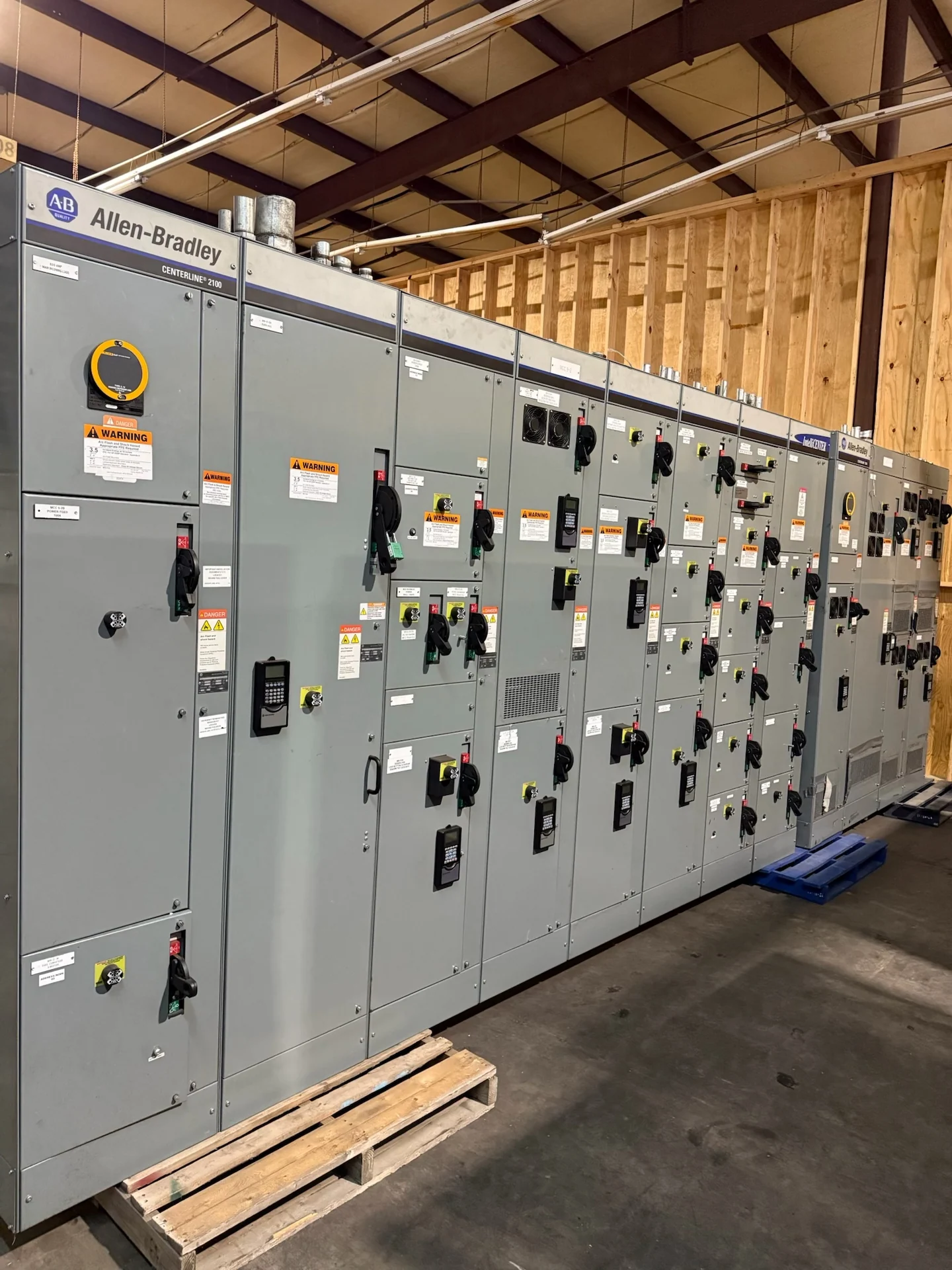
Start With the Electrical Duty
Switchgear material selection begins with the electrical duty, not a preferred catalog component. A useful design package identifies system voltage, frequency, phase arrangement, continuous current, available fault current, grounding method, and the required interrupting or withstand capability. The one-line diagram should show sources, mains, ties, feeders, transformers, generators, and major loads so protective devices can be selected in context. Load calculations, future capacity, coordination objectives, and arc-flash study inputs may change the arrangement. As an American manufacturer of new electrical switchgear, Switchgear Builders can build custom equipment to the approved project requirements, with American components and nationwide shipping arranged around the defined scope.
Choose Enclosure Materials for the Site
Enclosure material and construction should reflect where the assembly will be installed and how it must be accessed. Indoor equipment may be evaluated around room conditions, ventilation, working space, cable entry, doors, removable panels, and maintenance movement. Outdoor applications require closer review of weather exposure, contaminants, corrosion, drainage, temperature, sun exposure, and the foundation interface. The project specification should identify the intended enclosure type or environmental rating instead of relying on a generic description. Material thickness, finish, compartment boundaries, lifting provisions, and shipping splits also affect fabrication and installation. These choices belong in the drawing review before metal is formed.
Specify Bus Conductors and Connections
Bus conductors must be selected as part of the complete assembly because material, dimensions, supports, joints, insulation, clearances, and bracing work together. The required continuous current and short-circuit duty guide the engineering review, while temperature assumptions, connection hardware, plating or finishing requirements, and access for inspection influence practical fabrication. The specification should state preferred conductor material when the project has an established standard, but it should also identify acceptable alternatives and documentation expectations. Incoming and outgoing cable lugs, neutral and grounding provisions, phase orientation, and bus extension points deserve early attention; changing them late can affect enclosure dimensions and field interfaces.
Coordinate Protective Devices and Controls
Protective devices should be chosen from the system study and operating sequence rather than from amperage alone. Define main and feeder device types, frame or voltage class where applicable, interrupting duty, trip functions, sensing, metering, shunt or undervoltage features, and coordination settings that the responsible engineer will review. A main-tie-main arrangement, generator source, or transfer sequence may require mechanical and electrical interlocking with clearly documented positions. Control power voltage, terminal locations, communications, indication, and remote interfaces should be listed separately from power-circuit requirements. A disciplined device schedule helps the manufacturer build the intended lineup without treating a generic bill of material as a complete design.
Make Procurement Documents Actionable
Procurement documents are most useful when they distinguish mandatory requirements from acceptable options. Include the approved one-line diagram, equipment schedule, general arrangement dimensions, connection locations, elevations, cable-entry direction, site conditions, utility or owner requirements, and the desired drawing and test-record package. Identify who approves submittals, who supplies field wiring, how shipping sections may be divided, and which responsibilities belong to the installer or qualified engineer. If the project calls for American components, state that expectation in the inquiry and request project-specific component-origin details. Switchgear Builders manufactures new equipment custom to specification, so a complete request supports a clearer technical review and quote.
Review, Build, and Prepare for Delivery
After material choices are aligned, the manufacturer and project team should review drawings before fabrication, checking dimensions, device locations, bus phasing, labels, control wiring, grounding, lifting points, and installation interfaces. Acceptance criteria should be defined in the project test plan; possible checks may include workmanship, continuity, insulation, functional operation, and documentation review, depending on the equipment and contract. Confirm whether UL 891 applies to the particular assembly and, if it does, identify the project-specific listing or construction requirements for review rather than assuming blanket applicability. For nationwide shipping, provide destination, access limits, receiving hours, unloading responsibilities, packaging needs, and any rigging information early enough to coordinate delivery.