Plan the Shipment Around the Finished Lineup
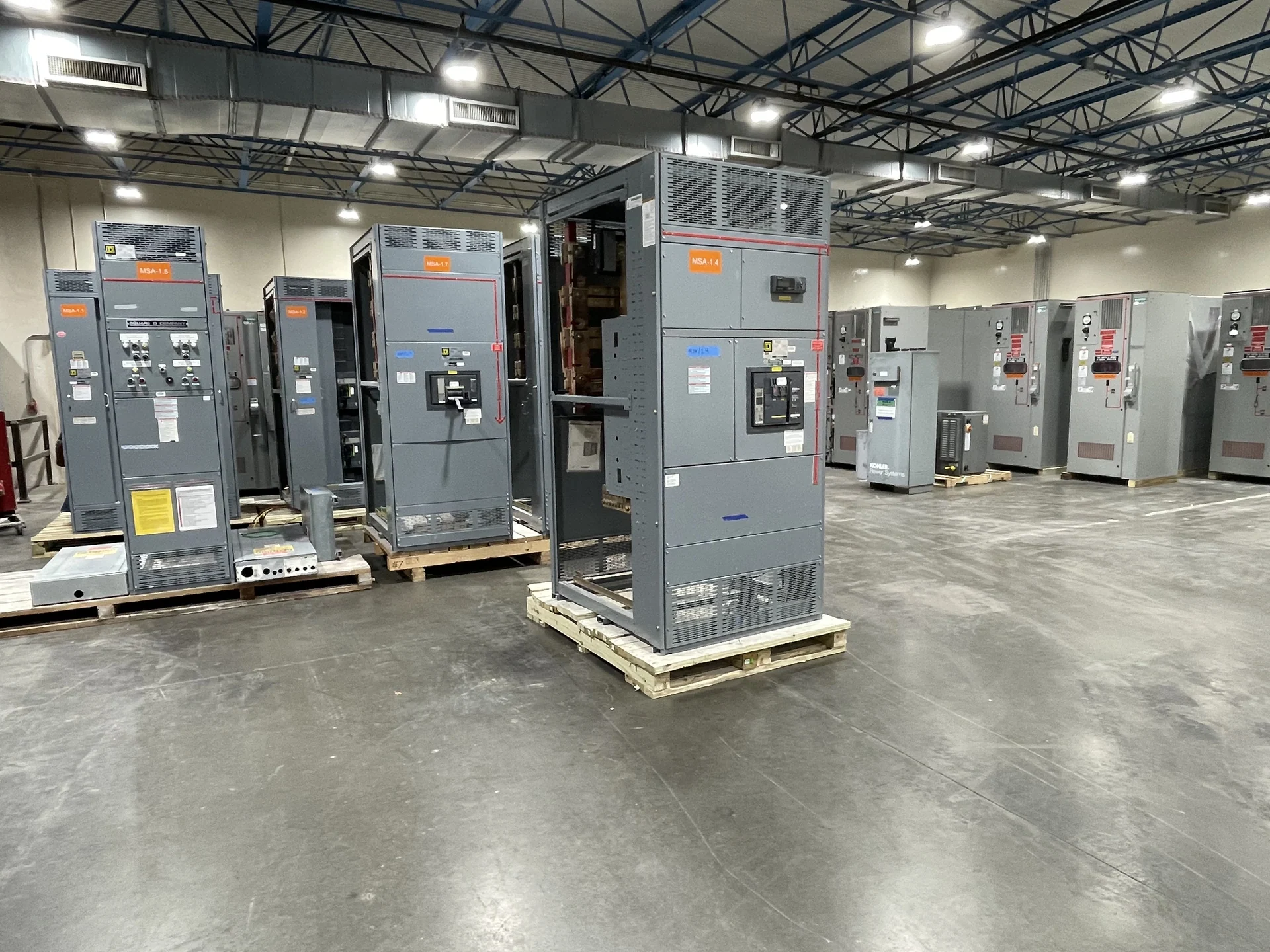
Switchgear packaging and shipping considerations begin during engineering, not after assembly is complete. A manufacturer should review the lineup dimensions, section weights, center of gravity, access route, and installation sequence before deciding how the equipment will travel. Large electrical assemblies may ship as one lineup or as coordinated sections, depending on transportation limits, lifting capability, room access, and field connection work. For a new custom build, provide the project address, receiving hours, dock or ground-level conditions, route constraints, and the preferred delivery sequence. Those inputs help define a practical shipping plan without assuming that every site can accept the same configuration.
Choose Shipping Splits With Field Assembly in Mind
A shipping split is more than a convenient break in an enclosure; it affects bus connections, control wiring, alignment, labeling, and the work required at installation. The equipment design should identify each section clearly, preserve intended phase and feeder relationships, and show where field joints or interconnections occur. Splits can make a long lineup easier to move through doors and corridors, but they also introduce additional coordination for rigging, joining, inspection, and energization preparation. Ask the manufacturer to identify section dimensions, approximate weights, connection points, loose-shipped items, and any drawings needed by the installing electrical contractor before shipment.
Specify Lifting and Handling Provisions
Lifting provisions should match the actual shipping sections rather than a generic enclosure assumption. Review designated lifting points, permitted sling locations, fork access where applicable, load distribution, and the equipment orientation required during handling. The shipping package should communicate whether doors, panels, devices, or accessories must remain secured and whether any temporary braces or shipping restraints need removal before installation. Qualified rigging personnel can use the documented weights and lifting instructions to select suitable equipment and plan the move. Never infer a safe lifting method from appearance alone; confirm the project-specific instructions with the manufacturer and the responsible site team.
Protect Electrical Assemblies During Transit
Protective packaging must address moisture, dust, impact, vibration, abrasion, and movement while preserving access to identification and handling information. Packaging choices depend on whether the shipment travels indoors, outdoors, under cover, or through changing environmental conditions. Sensitive devices, loose hardware, documents, and field-installed accessories should be identified and secured so they do not shift against buswork, wiring, doors, or instrument faces. A shipping review should also confirm that enclosure openings are protected, surfaces are separated from abrasive materials, and markings remain legible after handling. These controls protect a new American-built assembly without substituting packaging assumptions for a site-specific receiving plan.
Coordinate Freight and Nationwide Delivery Details
Nationwide shipping requires clear responsibility for freight coordination, unloading, storage, and movement from the receiving point to the electrical room. A quote request should distinguish the destination from the final installation location and state whether a liftgate, crane, forklift, appointment, inside delivery, or special access arrangement may be needed. Confirm freight terms, shipment sections, documentation, contact names, and notification expectations before release. Delivery estimates and availability remain project-specific, so they should be confirmed for the requested configuration rather than assumed from a general switchgear manufacturing process. The manufacturer can coordinate a shipment of custom new equipment with the information supplied by the project team.
Use a Receiving Checklist Before Installation
Receiving inspection should occur before the equipment is moved into its final position. The site team can compare the bill of lading and packing list with the number of sections, inspect packaging for visible damage, photograph conditions, verify identification labels, and note any shortage or impact on the delivery record. Keep assemblies protected and supported as directed until installation, and store documents and loose components where they can be matched to the correct section. Before field assembly, review shipping restraints, enclosure condition, bus and cable interfaces, control wiring, and drawings with the responsible electrical professionals. Prompt, documented observations make it easier to resolve a transportation issue without confusing it with an installation problem.