What a Circuit Breaker Switchboard Does
A circuit breaker switchboard organizes a main disconnecting or incoming device, bus conductors, feeder circuit breakers, metering provisions, and the enclosure into a coordinated distribution assembly. It is generally selected when a facility needs a structured way to divide incoming power among downstream circuits while providing overcurrent protection at defined points. The right arrangement depends on the one-line diagram, system voltage, phase and wire configuration, calculated load, available fault current, environmental conditions, and the installation space. Switchgear Builders manufactures new electrical distribution equipment in the United States, custom to project requirements, with American components and nationwide shipping.
Main and Feeder Breaker Selection
The main circuit breaker establishes an important interface between the source and the switchboard bus, while feeder breakers protect individual downstream circuits. Selection should address continuous current, interrupting rating, trip functions, conductor size, selective coordination objectives, and the available fault current at the equipment location. A breaker that fits the ampere demand may still be unsuitable if its interrupting capability or protection functions do not match the study. A useful design review compares calculated loads with device ratings, identifies special loads, and records assumptions for future review rather than treating a catalog size as a complete specification.
Bus, Enclosure, and Physical Layout
Physical construction affects both installation and service planning. The design team should define bus material, bus arrangement, bracing requirements, conductor entry, neutral and grounding provisions, enclosure dimensions, access direction, ventilation needs, and the route from receiving to the electrical room. Feeder locations can influence conduit paths and congestion, especially when several large circuits leave the same section. Door swing, working space, lifting or handling provisions, and clear identification should be coordinated with the installer. These details belong in the project drawings so the finished assembly interfaces with the building rather than merely matching an electrical schedule.
Protection and Coordination Inputs
Protective device coordination is a system question, not just a switchboard component choice. Engineers may review time-current characteristics for the main and feeder breakers alongside upstream utility equipment, transformers, generators, transfer equipment, and downstream panels. The equipment inquiry should identify whether adjustable trip functions, zone-selective interlocking, ground-fault protection, metering, communications, or a particular operating sequence is required. Final settings and coordination depend on the project study and field conditions. The manufacturer can build to an approved design package, but the responsible electrical professionals must define and approve the protection intent.
Documentation, Testing, and Delivery Planning
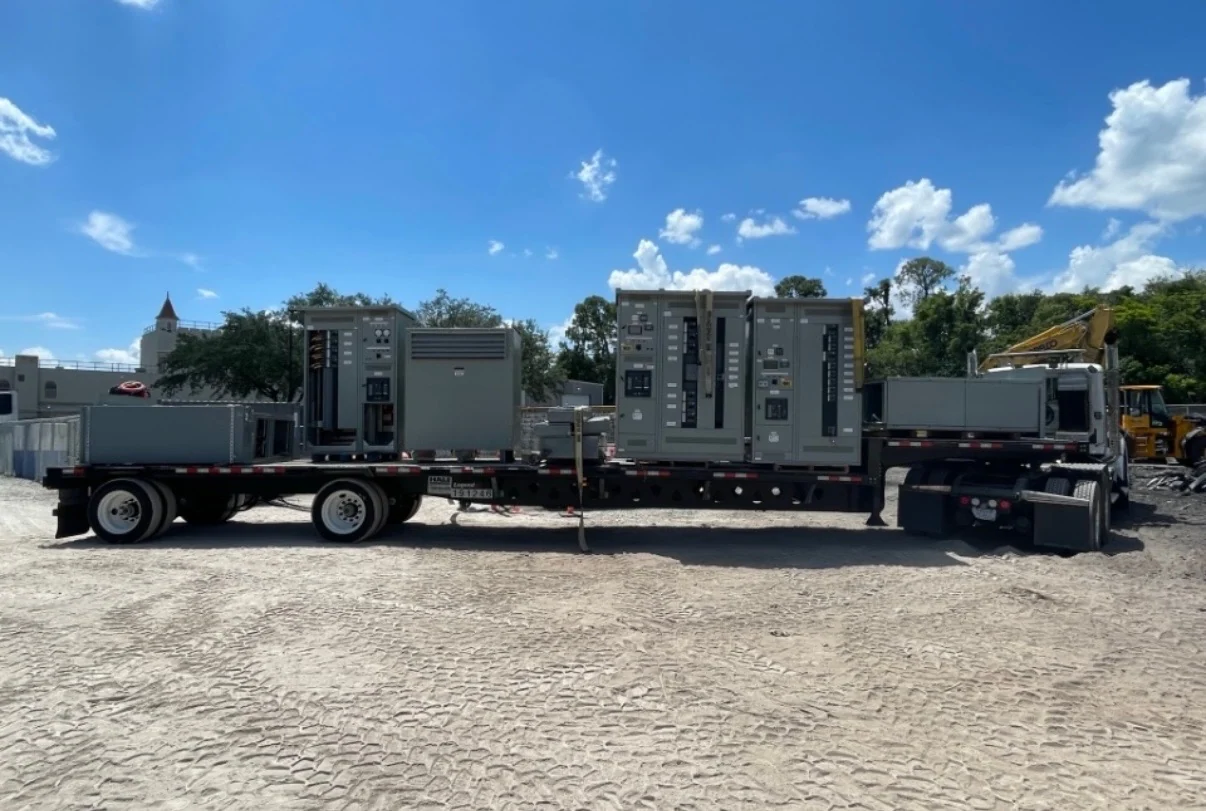
A complete request for circuit breaker switchboards should include the one-line diagram, schedules, equipment ratings, enclosure requirements, breaker data, control and metering details, dimensional constraints, connection points, and documentation expectations. Ask which drawings require approval before fabrication and which test records or inspection points belong in the turnover package. Shipping coordination should cover destination, packaging, split points, weights, lifting provisions, receiving access, and freight responsibilities. Switchgear Builders supplies new custom-built equipment nationwide; project-specific availability, shipping estimates, and any required test scope must be confirmed during quotation and engineering review.
When to Request a Custom Quote
A custom quote is most useful when the request explains the electrical and physical problem rather than naming only a preferred product. Include the service or feeder arrangement, nominal voltage, frequency, phase, continuous current, available fault current, grounding method, breaker count and frame requirements, enclosure location, cable or bus connections, metering, control interfaces, and applicable owner or utility requirements. If the project may involve UL 891, identify that requirement early; its applicability and any project-specific listing or capability must be confirmed for the exact assembly. Providing drawings and revision status helps align scope, exclusions, approvals, and shipping planning before an order is finalized.