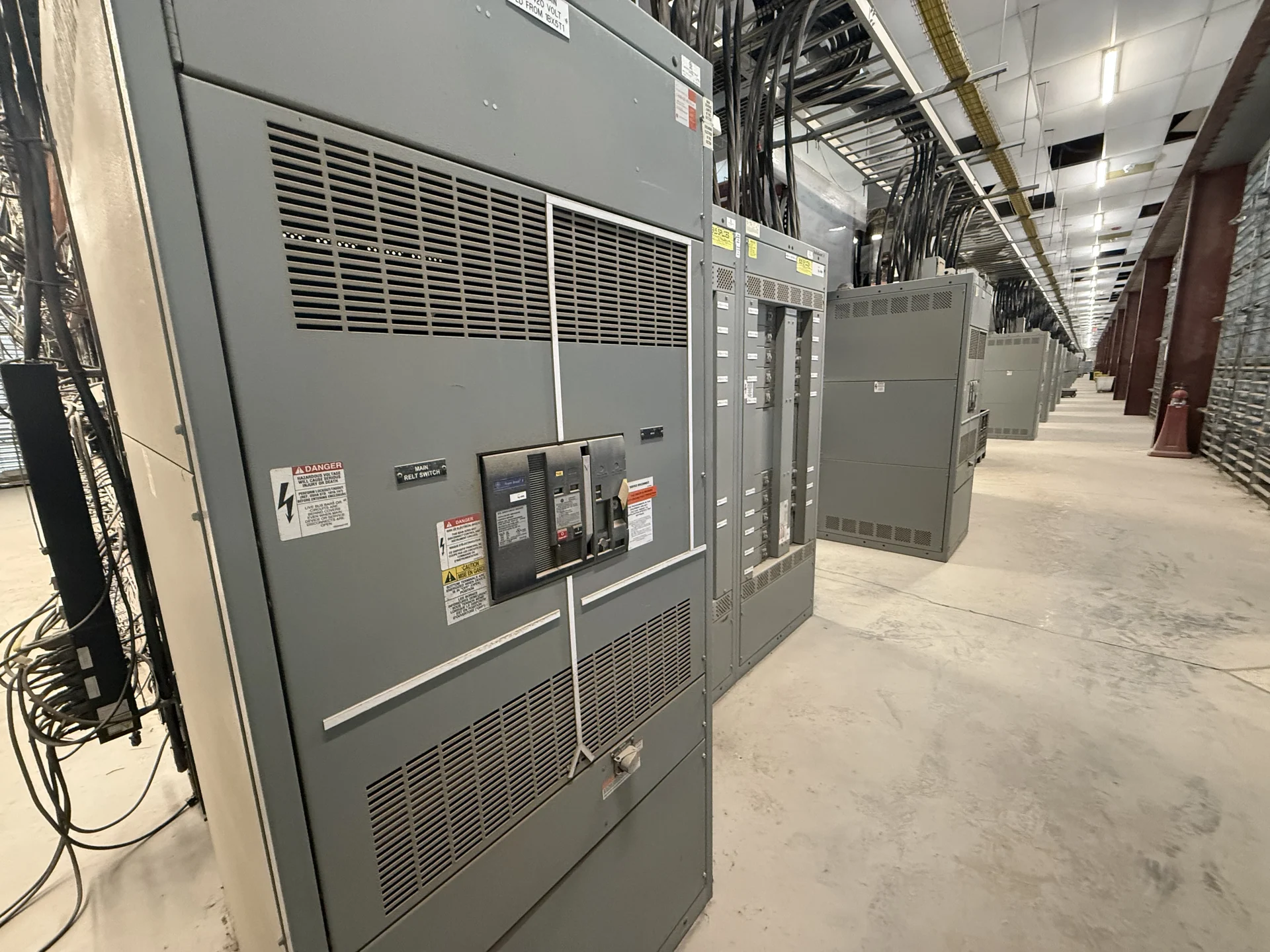
What Switchgear Does in a Distribution System
Switchgear is appropriate when an electrical system needs coordinated switching, overcurrent protection, isolation, and distribution in an organized assembly. It can gather incoming sources, divide power among feeders, and provide defined interfaces for breakers, metering, controls, and grounding. The decision is not based on building size alone. A qualified electrical engineer should review the one-line diagram, calculated loads, available fault current, voltage class, operating sequence, and installation environment. Smaller systems may be adequately served by other distribution equipment, while a complex service, industrial process, campus, or critical facility may need a purpose-designed switchgear lineup.
Protection and Available Fault Current
Protection requirements are a primary reason to specify switchgear. The assembly must be coordinated with the system's available fault current, continuous load, interrupting duties, grounding method, and protective-device settings. A main device, feeder device, bus arrangement, or tie scheme should be selected from engineering information rather than a nominal ampere value alone. A short-circuit study and coordination review can identify where equipment ratings or selective operation matter. Switchgear Builders manufactures new electrical switchgear custom to project specifications, with the final configuration, device choices, and applicable requirements confirmed during design review.
Distribution Complexity and Operating Sequences
Switchgear becomes more useful as the distribution arrangement gains sources, feeders, ties, or operating states. A main-tie-main lineup, generator interface, transformer feeder group, or multiple-building distribution point may require interlocking, control wiring, metering, and a clearly documented sequence. The design team should define which source can energize each bus section, what transfers are permitted, how maintenance isolation is achieved, and which signals belong in the control scheme. These decisions affect enclosure dimensions, cable entry, device placement, labeling, and field connections, so they should be settled before fabrication begins.
Reliability, Maintenance, and Future Capacity
Reliability goals can support a switchgear decision when a facility needs planned isolation, maintainable distribution sections, source flexibility, or room for defined expansion. Those goals do not automatically require a particular construction or guarantee uninterrupted service; they must be translated into an engineered operating plan. Review critical loads, acceptable interruption conditions, maintenance boundaries, spare spaces, heat and ventilation conditions, and the physical route for installation. A practical specification also identifies who will operate the equipment, how settings will be documented, and what access is required for inspection and future work.
Project Requirements That Shape the Equipment
Project requirements determine whether a switchgear concept can be built as intended. Useful inputs include the one-line diagram, system voltage and frequency, phase and wire configuration, grounding, continuous current, fault duty, feeder count, enclosure environment, dimensions, cable termination details, control voltage, metering needs, and site clearances. Include utility requirements, authority review requirements, seismic or environmental criteria where applicable, and the intended shipping destination. If UL 891 is cited, its applicability and any project-specific listing or verification must be confirmed for the actual assembly; it should not be assumed from the equipment name.
Buying New Switchgear From a Manufacturer
When the engineering review supports switchgear, a direct manufacturer inquiry can keep technical scope and commercial scope aligned. Provide the design documents, required ratings, preferred components, control narrative, drawings, testing expectations, documentation list, and delivery destination so the quotation can address the actual project rather than a generic product category. Switchgear Builders manufactures and supplies new custom electrical switchgear in the United States, uses American components, and ships nationwide. Customers buying new switchgear should still confirm every rating, interface, applicable standard, drawing approval, freight responsibility, and installation task with the project team before ordering.