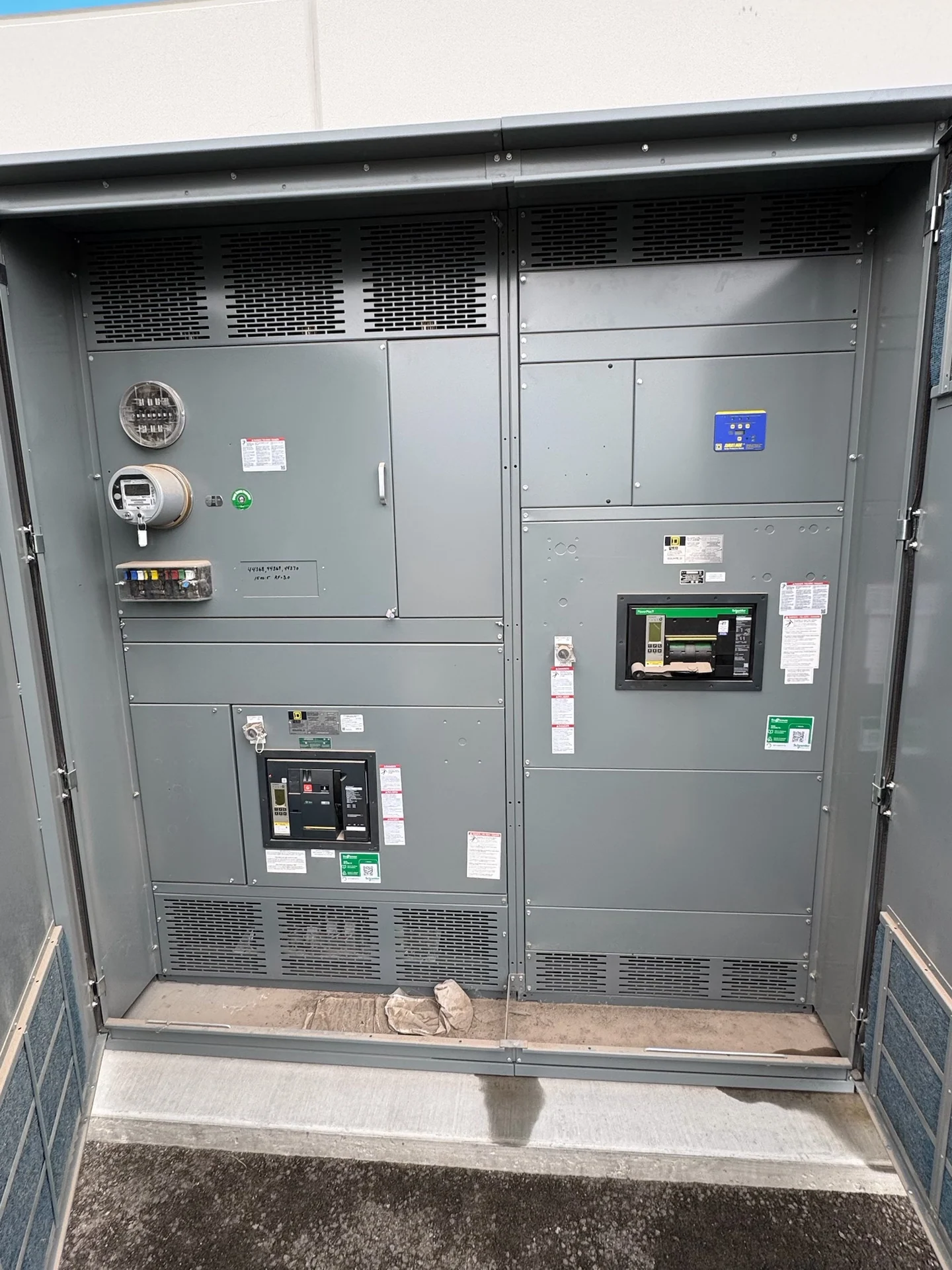
Available Fault Current in Plain Terms
Available fault current is the prospective current that an electrical source could deliver to a short circuit at a specified point in the distribution system. It is not the normal operating load and it is not a single value that applies everywhere. The result depends on the utility or generator source, transformer impedance, conductor length and size, system voltage, phase arrangement, grounding method, and the exact location being evaluated. A fault-current study estimates this duty so engineers can select equipment and protective devices with ratings adequate for the installation. When people ask what is available fault current, they are usually asking how much current a fault could impose before upstream impedance and protection limit it.
Why the Point of Calculation Matters
Fault current generally changes as power moves through transformers, feeders, busway, and conductors. A service entrance may have a different available value than a downstream switchgear bus, and separate sources can produce different results. A main-tie-main lineup, generator connection, or closed-transition transfer arrangement may require more than one operating scenario, including source combinations that are permitted by the control sequence. The equipment specification should identify the bus, feeder, or terminal location associated with each value rather than attaching one system-wide number to every device. This distinction helps align the switchgear short-circuit current rating, breaker interrupting rating, and protective coordination study with the actual installation.
Inputs Engineers Use for the Study
A useful calculation package normally includes the utility short-circuit contribution or available fault information, transformer kVA and impedance, generator or inverter data when applicable, nominal voltage, frequency, phase and wire configuration, conductor material and dimensions, feeder lengths, and the grounding arrangement. Drawings should show source connections, transformer secondaries, bus ties, large motors, and alternate operating states. Motor contribution may affect the momentary or interrupting duty considered for a particular design, while power-electronic sources require the study method and manufacturer data appropriate to their behavior. Confirming the revision date of these inputs matters because a service upgrade, transformer substitution, or added generator can change the calculated result.
Connecting Fault Current to Equipment Ratings
The study result must be compared with the ratings of the complete assembly and its individual protective devices. Circuit breakers need an interrupting rating suitable for the fault duty at their installation point; the switchgear or switchboard assembly also needs the applicable short-circuit withstand or short-circuit current rating for the specified duration and configuration. Bus bracing, conductor supports, joints, enclosures, and internal barriers can be part of that equipment evaluation. A higher rating is not a substitute for coordination: breaker settings, time-current characteristics, selective coordination requirements, and the clearing time assumed by the design should be reviewed together. Rating terminology and test requirements vary by equipment type, so the engineer should define the applicable standard and acceptance basis for the project.
What to Send for a New Switchgear Quote
When requesting a quote for new custom switchgear from an American manufacturer, provide the latest one-line diagram, available fault-current study or utility data, voltage and frequency, continuous-current requirements, source and tie arrangement, feeder schedule, protective-device preferences, enclosure environment, dimensions or room constraints, cable-entry direction, metering and control needs, and required project documents. Include the fault-current value at each relevant bus and identify whether it is calculated at maximum utility contribution, a generator condition, or another defined scenario. The manufacturer can then build the inquiry around the specified ratings and interfaces rather than guessing from a nominal voltage alone. Switchgear Builders manufactures new equipment with American components and supplies projects with nationwide shipping; shipping destination, packaging, access, and project-specific requirements should be stated in the inquiry.
Review Before Release and Installation
Available fault current should be revisited when the electrical design changes and before equipment drawings are released for fabrication. Compare the study assumptions with the final transformer data, utility requirements, generator controls, conductor schedule, and operating sequence. Ask the design team to identify the governing fault location and the rating basis for each main, tie, feeder, breaker, and bus section. Field installation also matters: a longer feeder, different conductor arrangement, or altered source connection can change the calculated duty or the protection settings. UL 891 may be relevant to a particular low-voltage switchboard project, but its applicability, construction requirements, and any listing or verification must be confirmed for that specific project rather than assumed from the general term switchgear.