Basic Impulse Insulation Level Definition
Basic impulse insulation level, commonly abbreviated BIL, is a specified insulation withstand level associated with a standardized impulse test waveform. It describes the ability of insulation and the related equipment arrangement to withstand a defined transient overvoltage without disruptive failure during the applicable test. BIL is not the normal operating voltage, a continuous-current rating, or a promise that a complete installation will never experience a transient. It is one insulation-coordination input for equipment selected and built for a particular electrical system. The term is therefore best read as a dielectric design requirement, not as a general measure of equipment quality or a substitute for a complete engineering specification.
Why BIL Matters in Switchgear Design
A lightning event, switching operation, fault-clearing action, or other network disturbance can produce voltage stress that is much higher and shorter in duration than the system's nominal voltage. Engineers use insulation levels to compare that transient stress with the clearances, solid insulation, bushings, cable terminations, and other dielectric paths in an assembly. A suitable BIL selection must be considered alongside grounding method, surge protection, system configuration, altitude, environmental exposure, and the equipment voltage class rather than treated as an isolated number. Reviewing the complete path from source to connected apparatus helps identify where transient energy may travel and where protective devices or insulation barriers influence the coordination decision.
BIL Compared with Other Electrical Ratings
BIL answers a different question from several ratings that appear together in a switchgear specification. Nominal voltage identifies the system class, while maximum design voltage describes the equipment's applicable upper voltage boundary. Continuous-current rating addresses sustained load, and short-circuit or interrupting ratings address fault duty. Power-frequency withstand concerns a different test condition from an impulse test. Keeping these terms separate prevents a specification from using a high current rating or an interrupting rating as a substitute for appropriate dielectric coordination. This distinction is especially important when comparing proposals, because two assemblies can have similar current ratings while requiring different insulation levels for their voltage classes and installation environments.
Inputs Needed to Specify BIL
A useful BIL review starts with the system one-line diagram and the equipment location, then adds nominal and maximum system voltage, phase arrangement, grounding method, source and feeder information, transformer interfaces, cable connections, surge protective devices, and the governing project standards. The engineer should also identify altitude, indoor or outdoor exposure, contamination, moisture, access, and required clearances. For a custom lineup, these inputs affect compartment arrangement, insulating distances, termination details, and the documentation that accompanies the new assembly. Existing drawings, utility information, transformer data, and a qualified field assessment can resolve missing inputs before the manufacturer releases fabrication drawings for approval.
BIL and Project-Specific Manufacturing
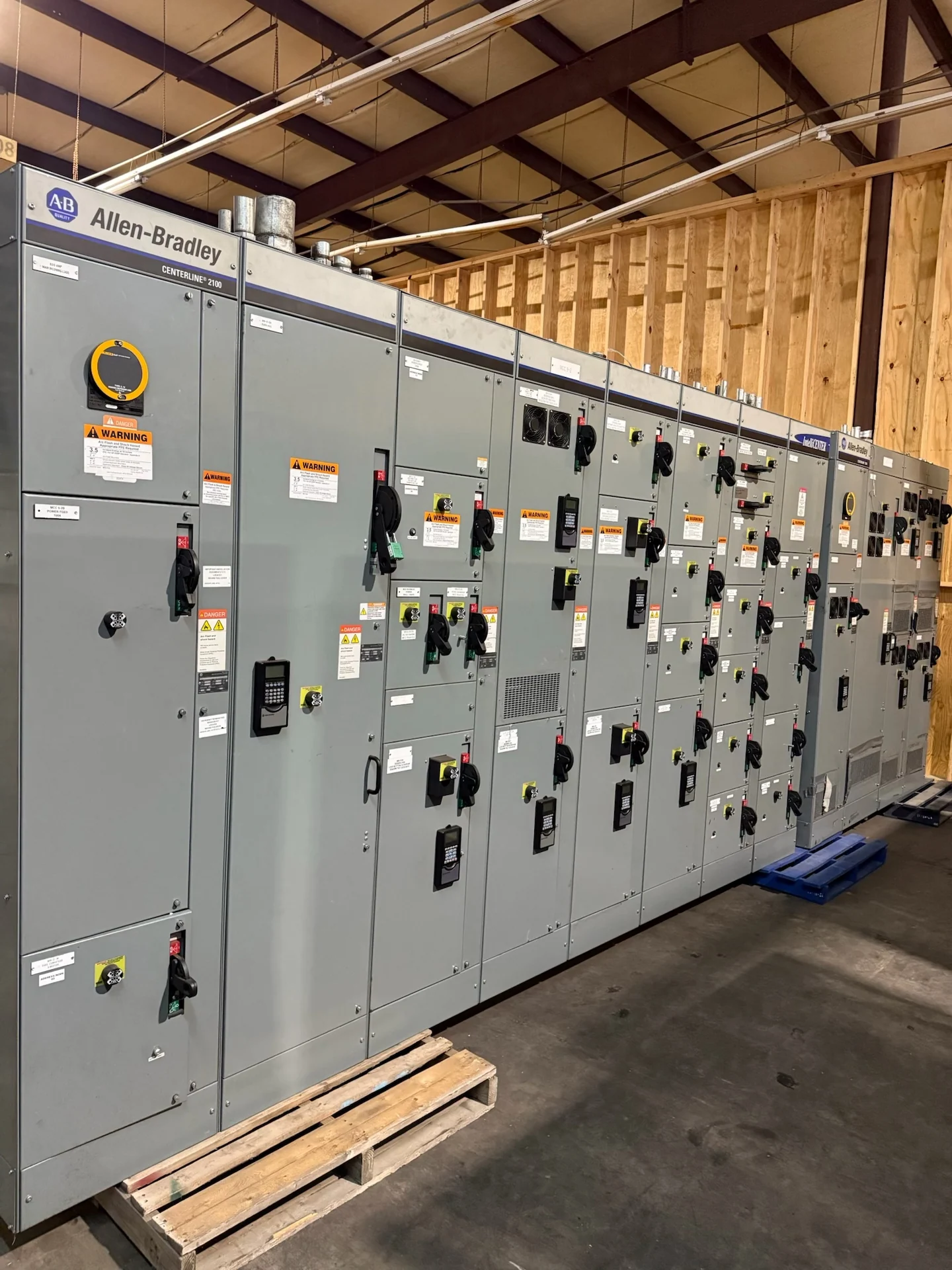
Switchgear Builders manufactures new electrical switchgear in the United States and can build equipment custom to the submitted electrical and physical requirements, using American components and nationwide shipping coordination. BIL is confirmed from the project specification and engineering review; it should not be inferred from a product name alone. Before fabrication, the manufacturer, engineer, and installer should reconcile drawings, voltage class, insulation coordination, component data, cable interfaces, grounding details, and any required project verification so the selected construction matches the intended application. The approved submittal should make assumptions visible so installers can preserve the specified spacing, termination arrangement, bonding path, and environmental conditions during installation and commissioning.
BIL Documentation and Review Questions
Project documents should identify where BIL applies, which equipment sections and components are covered, the referenced test conditions, and how the selected insulation level relates to the system's transient environment. Ask whether the requirement applies to the entire assembly or to a particular device, whether surge protection assumptions are documented, and whether installation clearances remain achievable after field connections. If UL 891 is mentioned, confirm its applicability and any project-specific listing requirement separately; BIL by itself does not establish UL 891 status. A request should also state who supplies field surge protection, which party approves deviations, and whether witness or acceptance activities are required by the project specification.