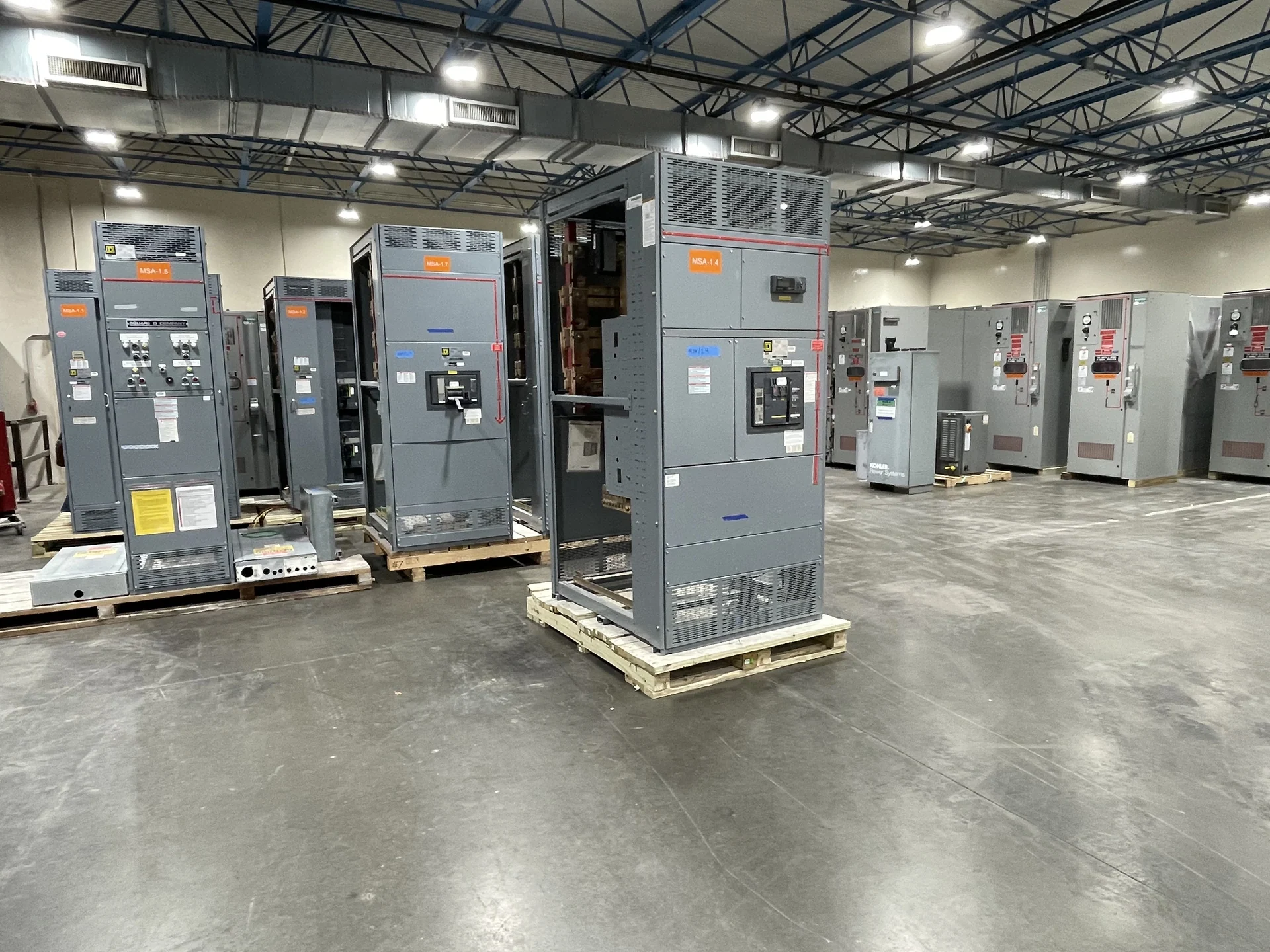
Insulation Coordination Definition
Insulation coordination is the deliberate selection of insulation characteristics so electrical equipment can withstand the stresses expected in its system without creating unnecessary cost or physical complexity. Those stresses can include normal operating voltage, temporary overvoltages, switching surges, lightning impulses, contamination, moisture, altitude, and prospective fault conditions. In a switchgear project, coordination connects the system study, equipment voltage class, insulation clearances, creepage distances, surge protection, and grounding approach. It is not simply choosing a thicker barrier; it is matching the complete insulation system to credible electrical and environmental demands.
System Stresses That Shape the Design
A useful coordination review begins with the system rather than a catalog label. The design team should identify nominal and maximum operating voltage, frequency, phase arrangement, grounding method, source characteristics, transformer connections, feeder length, and likely switching events. Temporary overvoltages may arise from ground faults, load rejection, resonance, or an open-phase condition, while impulse stresses may come from lightning or switching operations. The expected duration and magnitude matter because insulation that tolerates a brief impulse may face a different requirement during a sustained overvoltage. This distinction helps prevent both under-designed insulation and excessive material selection that does not address the real source of stress.
Voltage Class, BIL, and Clearances
Equipment voltage class establishes the range of system conditions an assembly is intended to address, but it does not by itself complete the coordination exercise. Engineers also review basic impulse insulation level, often called BIL where that terminology applies, along with phase-to-phase and phase-to-ground clearances. Creepage paths can become important when surfaces may collect dust, salt, moisture, or process residue. Bus supports, barriers, cable terminations, instrument connections, and moving components all need compatible spacing and dielectric assumptions. The final selection should follow the applicable engineering standard and project specification rather than an isolated number.
Surge Protection and Grounding Interfaces
Coordination also considers how the rest of the power system limits or redirects overvoltage energy. Surge protective devices, arresters, transformer impedance, cable geometry, grounding conductors, and bonding paths influence the stress seen at switchgear terminals. Their location and connection length can affect the actual protection provided, so they should be reviewed with the one-line diagram and physical layout. A manufacturer building new custom switchgear can use the agreed system data to coordinate bus insulation, termination space, barriers, and device interfaces, while the engineer of record remains responsible for the overall system design and required studies.
Environmental and Installation Conditions
The same electrical design may require different insulation decisions in a clean indoor room, an outdoor enclosure, a coastal setting, or a high-altitude installation. Temperature, humidity, condensation, dust, chemical exposure, ultraviolet exposure, and ventilation can influence surface leakage and material behavior. Altitude may reduce the dielectric strength of air, making clearances especially important. The project inquiry should identify indoor or outdoor placement, enclosure conditions, elevation, contamination concerns, cable entry arrangements, and maintenance access. These inputs help the manufacturer develop a build that fits the stated environment instead of assuming generic service conditions.
Documentation and Project Verification
Insulation coordination should be visible in the project record. A useful package may identify the system voltage, equipment class, insulation levels, environmental assumptions, clearances, creepage considerations, surge devices, grounding interfaces, and any required dielectric or production checks. Reviewers should reconcile those details with the one-line diagram, equipment drawings, cable schedules, and installation requirements before approval. Switchgear Builders manufactures new electrical switchgear in the United States, custom to specification with American components and nationwide shipping; each project still requires confirmation of the applicable design criteria. If UL 891 is relevant, its applicability and any project-specific listing or verification must be confirmed for that assembly rather than assumed from the glossary term.