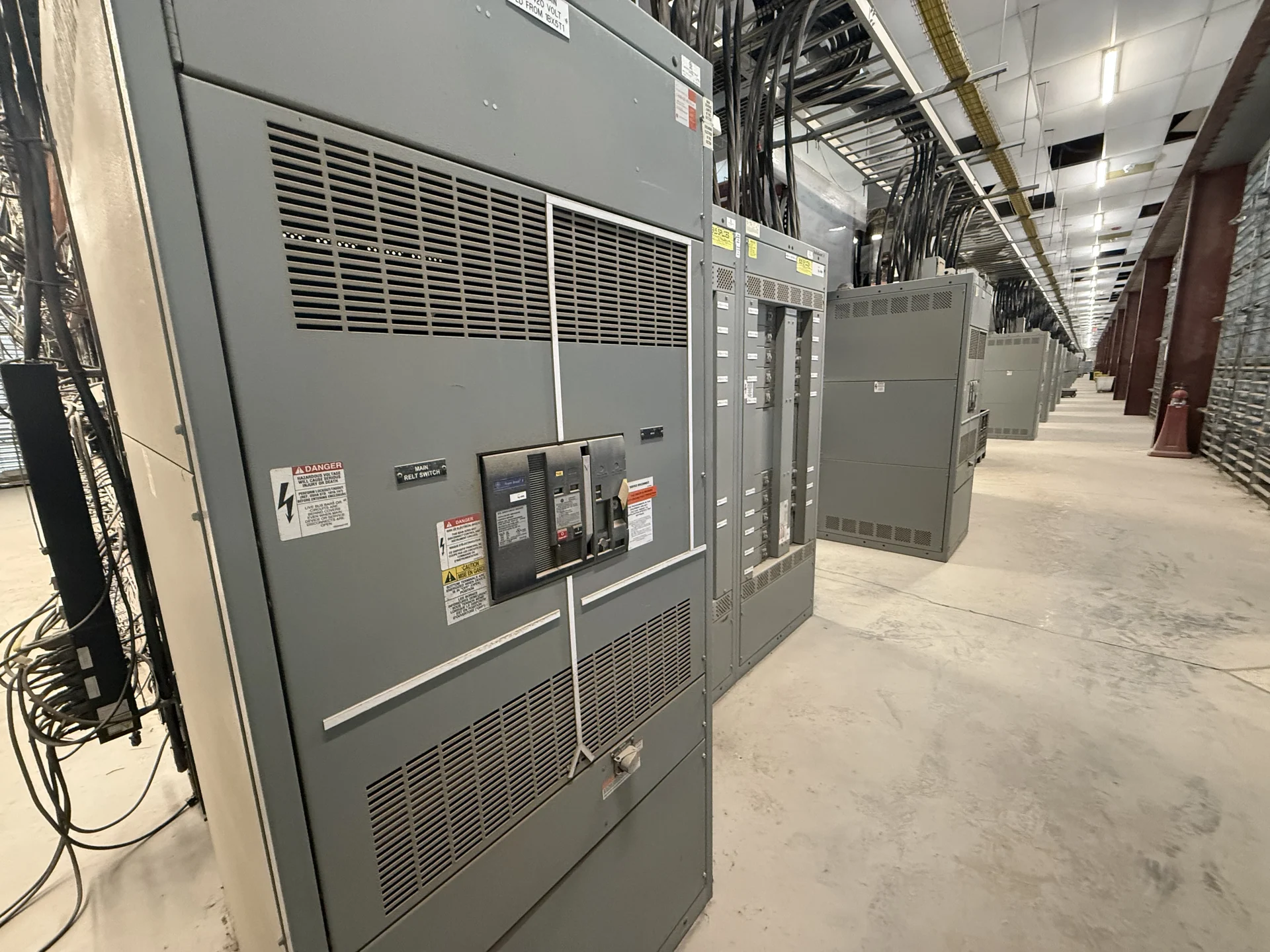
Selective Coordination Definition
Selective coordination is the planned selection and adjustment of protective devices so that, when a fault occurs, the device closest to the affected circuit opens before an upstream device opens. The objective is to isolate the smallest practical portion of an electrical distribution system while keeping other feeders energized. A selective coordination definition should therefore address both device characteristics and settings, not simply the presence of circuit breakers or fuses. The result depends on the complete system, including source conditions, conductor paths, available fault current, and the time-current behavior of every relevant protective device. It is especially important where continuity matters for designated loads, because an upstream trip can remove power from circuits that were not involved in the original event.
How the Protection Sequence Works
Coordination is evaluated along a power path from the load toward the source. For example, a feeder breaker may be intended to clear a downstream fault while a main breaker remains closed; a branch device should generally operate before that feeder device for a fault limited to the branch. Engineers compare time-current curves, instantaneous regions, short-time functions, long-time pickup, and short-circuit duties to determine whether the desired separation exists. The sequence can change at different current levels, so coordination cannot be inferred from nominal ampere ratings alone or from a single operating point. A coordination review also distinguishes a protective device's clearing time from its pickup setting; both influence the sequence, and neither should be selected without considering the equipment and conductors it protects.
Information Needed for a Coordination Review
A meaningful selective coordination study needs an accurate one-line diagram and complete protective-device information. Useful inputs include transformer data, source fault-current values, system voltage and frequency, grounding arrangement, conductor sizes and lengths, motor or generator contributions, breaker trip units, fuse curves, and the proposed settings. The engineer may also need operating modes such as normal, standby, bypass, or bus-tie conditions because a different source can change fault current and coordination margins. For a new switchgear quote, supplying these details early helps align the lineup, device compartments, metering, controls, and documentation with the study assumptions. Drawings should identify whether values are preliminary or final, and revisions should be circulated when field conditions, source equipment, or the distribution topology changes during design.
Design Choices and Practical Trade-Offs
Selective coordination can compete with other design goals. More delay in an upstream device may preserve service to unaffected loads, but it can increase incident-energy exposure or require equipment capable of withstanding the associated fault duration. Faster clearing may improve one objective while reducing coordination with downstream devices. Adjustable trip units, current-limiting fuses, zone-selective interlocking, maintenance settings, and alternate source logic can each affect the final strategy, but their applicability must be established by the project engineer. A custom manufacturer can build new switchgear around the specified devices, compartments, control wiring, and interlocks after the required design decisions are defined. These choices are usually balanced with arc-flash analysis, equipment withstand capability, maintenance procedures, and the desired continuity of critical loads rather than treated as an isolated breaker-selection exercise.
Documenting and Verifying the Final Arrangement
Coordination is not complete when a preliminary curve appears acceptable. The final package should identify device types, frame or sensor information where applicable, trip settings, fuse selections, assumptions, operating modes, and any portions that are only partially coordinated. Those values should be checked against the equipment drawings and settings supplied for installation, because a changed breaker, transformer, feeder, or control sequence can invalidate the earlier conclusion. Switchgear Builders manufactures new custom electrical switchgear in the United States, using American components and offering nationwide shipping; project-specific engineering, device selection, applicable standards, and any requested verification remain items to confirm for the individual build. Installers and commissioning personnel should receive the approved settings and confirm that adjustable devices are set accordingly, while any required field changes should be reviewed by the responsible engineer before energization.