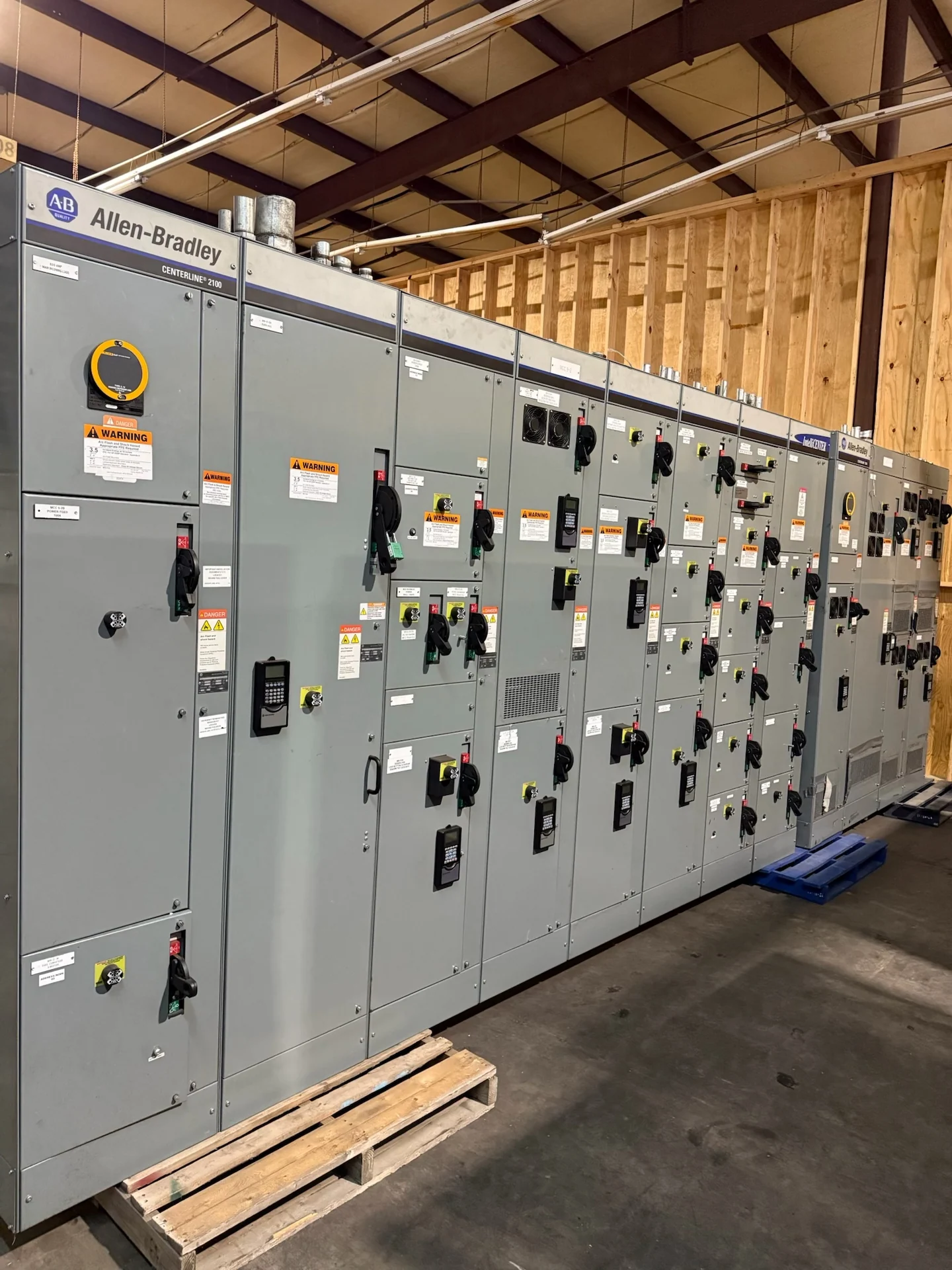
Start with the System Voltage and Equipment Class
5 kV switchgear is a medium-voltage distribution choice, not simply a label for any circuit near five thousand volts. The design team should identify nominal system voltage, maximum operating voltage, frequency, phase arrangement, grounding method, and the voltage class required for the assembly. Those values establish the appropriate insulation level and influence clearances, terminations, switching devices, and protective equipment. A manufacturer can build new custom equipment to the project specification, but the one-line diagram and utility or engineer requirements should define the electrical basis before a quote is treated as complete. This early clarification also prevents confusing system terminology with the tested design basis for the equipment.
Define the Feeder and Source Arrangement
A useful 5 kV switchgear specification explains what the lineup connects, how many sources and feeders are involved, and what operating sequence the owner expects. A main section, tie section, transformer feeder, generator interface, or distribution feeder can require different switching and interlocking details. Identify incoming cable size and entry direction, outgoing feeder count, phase sequence, grounding equipment, metering points, and control-power needs. If a main-tie-main or alternate-source arrangement is contemplated, describe permitted source combinations and the intended transfer or isolation logic rather than relying on a configuration name alone.
Coordinate Fault Duty and Protective Devices
Available fault current is central to selecting medium-voltage equipment. The project engineer should provide the calculated fault duty at the equipment location, required short-circuit withstand information, interrupting duty for each switching or protective device, and the clearing assumptions used in the coordination study. Device selection may involve circuit breakers, load-interrupter switches, fuses, relays, or combinations of these, depending on the feeder and protection philosophy. Time-current curves, relay functions, CT data, and preferred settings should be reviewed together so the lineup supports the intended coordination rather than merely matching a nominal voltage.
Plan Insulation, Grounding, and Cable Interfaces
Medium-voltage performance depends on more than the voltage printed on a nameplate. Specify the grounding method, system neutral treatment, insulation coordination information, impulse insulation requirements where applicable, and the environmental conditions around the equipment. Cable terminations need particular attention: identify cable type, conductor size, shield treatment, termination space, entry location, and bending requirements. Grounding and bonding details should align with the engineer's design and site practices, while enclosure and access decisions should account for indoor or outdoor exposure, maintenance space, ventilation, and the path for bringing each shipping section into position.
Match the Physical Layout to the Installation
A technically correct 5 kV distribution lineup still has to fit the room, foundation, cable route, and handling plan. Provide allowable overall dimensions, lineup orientation, section sequence, door swing constraints, working clearances, anchorage information, and any height or weight limits known to the project. Confirm whether controls, relays, meters, interlocks, and communication interfaces belong in dedicated compartments or a separate control section. These inputs let an American manufacturer coordinate fabrication around the actual installation rather than forcing field changes after delivery.
Prepare a Complete New-Equipment Inquiry
For a quote on new 5 kV switchgear, send the latest single-line diagram, load and feeder schedule, fault-current study, protection or coordination requirements, room drawings, cable information, environmental conditions, control schematics, and requested documentation. State the destination in the United States, desired shipping split, receiving constraints, and any inspection or witness expectations that must be considered in the project plan. Switchgear Builders manufactures custom electrical switchgear with American components and supplies equipment for nationwide shipping; final scope, configuration, applicable requirements, and any project-specific UL 891 consideration must be confirmed during engineering review.